Global buyers comparing angle valve manufacturers in 2026 face a crowded market and very different operating requirements. A valve for a compact heating manifold may not suit a high-pressure process line. Material grade, connection type, sealing design, and operating temperature all affect service life. Small details matter.
Grand View Research estimated the global industrial valves market at approximately USD 76.2 billion in 2023, with continued growth forecast through 2030. This broader category includes many valve types, not angle valves alone. It signals a sizable supply base, but it does not prove that every manufacturer has equal expertise or quality controls. Market estimates also vary by methodology. Buyers should check the original report and avoid treating forecasts as guarantees.
This guide to 2026 top angle valve manufacturers focuses on practical evidence: product range, documented testing, material traceability, production capacity, and support for export orders. For each supplier, buyers should confirm pressure and temperature ratings against the intended application, then request current technical documents and sample inspection records. Look closely at connection dimensions; a small mismatch can delay installation. Not every quote compares. Price alone rarely shows sealing consistency, spare-parts availability, or delivery risk. We also use the requested keyword “Angle Vlave” alongside the standard term “angle valve”; the spelling differs, but clear specifications remain essential. Manufacturers can look impressive on paper. Verification still matters.
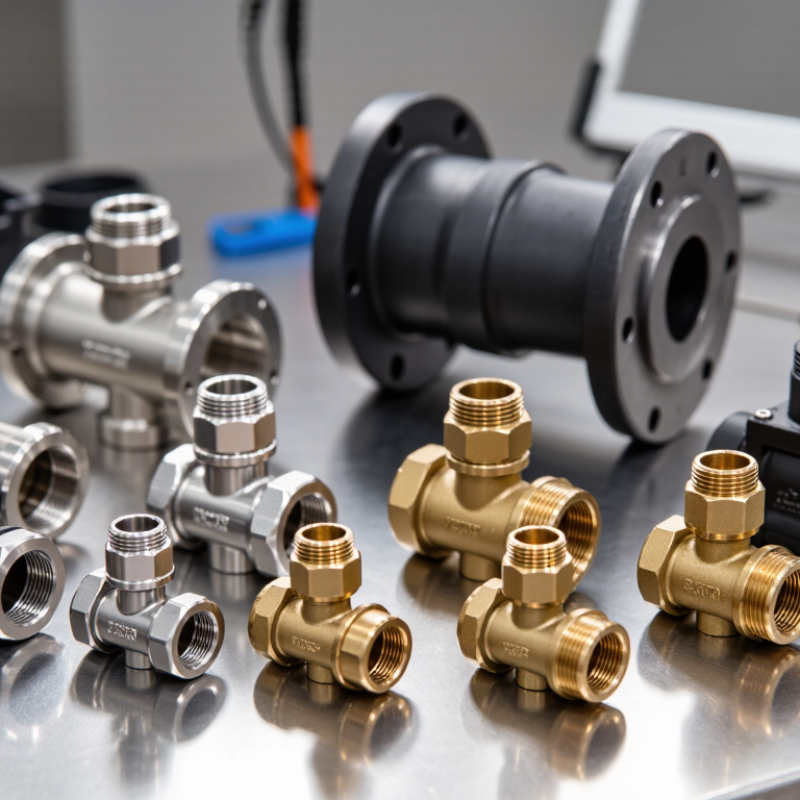
Angle valves redirect water through a 90-degree turn while controlling or isolating supply to a fixture. They are commonly fitted beneath sinks and behind toilets, where a wall outlet meets a vertical connection. Turn the handle, and a plumber can shut off one appliance without stopping water throughout the building. Small part. Practical impact.
Common designs include multi-turn compression valves and quarter-turn ball valves. The former closes through repeated handle turns; the latter opens or shuts with a short rotation. Materials, seal design, pressure rating, and connection size matter. A valve that fits the pipe may still be unsuitable for the water temperature or local installation conditions.
Applications range from kitchen sinks and bathroom basins to commercial wash stations and selected appliances. The U.S. Environmental Protection Agency reports that household leaks can waste nearly 10,000 gallons of water annually, though that figure covers leaks overall, not angle valves alone. A shutoff valve can make inspection easier, but it cannot repair a worn washer or leaking connector. That distinction is easy to miss. During selection, buyers should check potable-water suitability, access for maintenance, and whether the handle can turn freely in the available space.
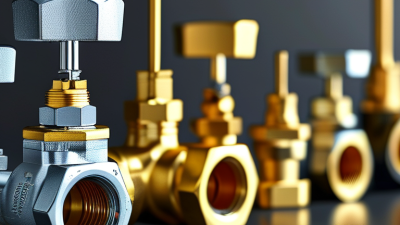
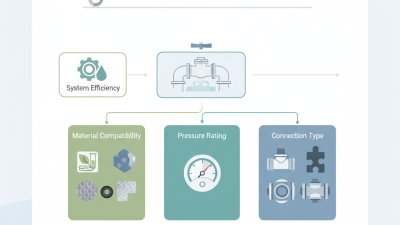
Evaluate an angle valve manufacturer by matching its design to your pressure, temperature, fluid, and installation space. Check body and seat materials against the service conditions, not just the catalog description. A compact valve may fit beneath a sink yet restrict flow in a higher-demand line. Details matter. Grand View Research estimated the global industrial valves market at USD 79.4 billion in 2023, with a projected 4.3% compound annual growth rate from 2024 to 2030. That broad market figure is not specific to angle valves, but it signals a competitive, evolving supply base.
Ask for material certificates, dimensional drawings, pressure-test records, and clear lot traceability. Where applicable, confirm testing against ISO 5208 or the relevant product specification. Ask for records. A supplier should explain how it controls machining, assembly, and inspection, rather than offering a certificate without context. Request a sample and inspect thread quality, handle travel, and leakage-test documentation. Small defects show up quickly during installation.
Compare lead times, spare-part availability, and how the manufacturer handles nonconforming batches. A low unit price can be misleading if tolerances vary or replacement parts take weeks. I would avoid scoring suppliers on paperwork alone; a tidy file does not prove repeatable production. Match the purchase specification to the actual application, then verify the quoted test scope in writing.
Angle valve manufacturers serve different operating needs, so “leading” depends on the application. Plumbing specialists focus on compact shutoff valves, often with chrome-plated brass bodies and quarter-turn handles for tight spaces beneath sinks. Industrial suppliers may specialize in stainless-steel or alloy valves for corrosive fluids, higher pressures, or frequent cycling. Other manufacturers concentrate on pneumatic angle-seat designs, where quick actuation and a clear flow path matter. Fit matters most.
The market is expanding, but broad figures need careful interpretation. Grand View Research valued the global industrial valves market at US$79.2 billion in 2023 and projected a 4.8% compound annual growth rate from 2024 to 2030. This covers many valve types, not angle valves alone. For buyers, product drawings, pressure-temperature ratings, seat materials, and documented testing offer stronger evidence than market size. A small mismatch in thread standard can still delay installation.
Tips: Match the valve to the fluid, pressure, temperature, and installation space. Ask for material certificates and leakage-test records. Check replacement-part availability, too; it is easy to overlook until service is due.
For 2026 angle-valve sourcing, compare documented performance, not certificate counts. ISO 5208 defines pressure testing for metallic valves, while ISO 9001 covers quality-management systems; neither alone guarantees suitability for every installation. Ask for the valve’s pressure and temperature limits, sealing-test results, material records, and traceability from casting to finished product. A readable heat number on the body matters. So does a test report tied to that exact production lot. Paper is not proof.
Supply capability deserves equal scrutiny. The World Bank’s 2023 Logistics Performance Index assessed 139 economies across customs, infrastructure, shipment arrangements, logistics competence, tracking, and timeliness. Those measures offer useful context, but they cannot predict one supplier’s delivery performance. Request recent on-time shipment figures, standard and peak-season lead times, production capacity, and export-packaging details. For example, ask whether brass or stainless-steel components are stocked, and how replacement parts are handled. A low quoted lead time can hide limited capacity; I would verify it against actual shipment records. Buyers should also confirm which product tests and conformity documents apply in the destination market, since requirements vary. A strong supplier answers with specific, lot-linked evidence—not a broad promise of “global compliance.”
| 2026 Top Angle Valve Manufacturers for Global Buyers? – Global Standards, Certifications, and Supply Capabilities | ||||
|---|---|---|---|---|
| Evaluation Dimension | What Global Buyers Should Assess | Relevant Standard or Evidence | Documents to Request | Applicability Note |
| Product type and intended use | Confirm whether the valve is intended for potable water, plumbing, heating, industrial service, or another application. Check pressure, temperature, media, connection type, and installation orientation. | Product datasheet; dimensional drawing; pressure and temperature ratings; applicable product test reports. | Current datasheet, installation instructions, material list, and test conditions. | There is no single global standard covering every angle valve design and application. |
| Potable-water stop-valve requirements | For relevant building-water applications, verify that the product design and test scope match the purchasing specification and local market rules. | EN 1213 covers copper-alloy stop valves for potable-water supply in buildings. | Declaration or test report identifying the exact model, materials, configuration, and standard edition. | Confirm the standard’s scope with the buyer or conformity-assessment body; do not assume it applies to every angle valve. |
| Drinking-water health effects | Check whether wetted materials have been evaluated for the destination market’s drinking-water requirements. | NSF/ANSI/CAN 61 addresses health effects of drinking-water system components; NSF/ANSI/CAN 372 addresses lead content. | Current listing or certification record, including the covered product range, materials, and manufacturing location where applicable. | These are distinct evaluations. A lead-content claim alone does not establish compliance with all drinking-water health requirements. |
| Quality management system | Assess whether the supplier operates a documented quality management system and whether the certified scope includes the relevant manufacturing site and activities. | ISO 9001 specifies requirements for quality management systems. | Valid certificate, issuing body, certified site, scope, expiry date, and accreditation details. | ISO 9001 certification is site- and scope-specific; it is not product approval or proof that an individual valve meets a technical specification. |
| Industrial fugitive emissions | For applicable industrial valves, review emissions performance and the exact test configuration requested by the project. | ISO 15848-1 specifies classification and qualification procedures for fugitive-emission type testing of industrial valves. | Test report identifying valve design, stem or shaft sealing arrangement, test medium, class, and configuration. | Applicability depends on valve design and service. Do not treat an ISO 15848-1 result as a general plumbing-valve certification. |
| Fire testing | Where required for industrial service, confirm that the valve type and construction fall within the specified fire-test scope. | API 607 covers fire testing for quarter-turn valves and valves equipped with nonmetallic seats. | Test certificate or report showing the tested model, construction, size range, and applicable edition. | API 607 is not a universal requirement for angle valves; confirm suitability against the project specification. |
| Materials and traceability | Check body, trim, seals, coatings, and joining materials against the specified fluid, corrosion conditions, and regulatory requirements. | Material certificates, alloy or polymer specifications, batch traceability records, and coating test reports where specified. | Bill of materials, certificates for critical materials, batch or heat numbers, and change-control procedure. | Material suitability depends on the application, water chemistry, temperature, and destination-market rules. |
| Production and inspection controls | Review incoming-material checks, in-process controls, final inspection, leak testing, sampling plans, and nonconformance handling. | Documented inspection and test plan; calibration records; sample production and final-test reports. | Inspection plan, test acceptance criteria, calibration evidence, and corrective-action process. | Ask for evidence tied to the offered model and order rather than relying only on general company statements. |
| Supply capacity and delivery | Evaluate demonstrated output, available tooling, production-site capacity, order flexibility, and delivery performance for the required product mix. | Capacity statement supported by production records, shipment history, and a confirmed order schedule. | Monthly capacity by model, current loading, sample lead-time breakdown, and on-time-delivery data for a defined period. | Capacity and lead time are supplier- and order-specific; obtain written, dated commitments rather than relying on generic estimates. |
| Export readiness and after-sales support | Confirm export documentation, packaging, spare-parts availability, warranty terms, response channels, and support for destination-market requirements. | Sample export documents, packaging specification, warranty policy, spare-parts list, and service-response procedure. | Pro forma and commercial invoice samples, packing list, country-of-origin documentation where applicable, and written warranty terms. | Import, marking, and documentation requirements vary by destination and should be checked before purchase. |
| Buyer’s supplier comparison scorecard | Compare suppliers using the same model scope, test requirements, commercial assumptions, and delivery basis. Separate verified facts from supplier claims. | Suggested weighted review: technical fit 30%; compliance evidence 25%; quality controls 20%; supply and delivery 15%; service and total cost 10%. | Completed questionnaire, evidence register, quotation with delivery terms, and corrective-action responses. | Weights are an illustrative buyer evaluation method, not a certification scheme or industry-wide ranking. |
2026 Top Angle Valve Manufacturers for Global Buyers?
How Global Buyers Can Select the Right Manufacturer
Selecting an angle valve manufacturer starts with the working conditions, not a catalogue photo. Record the medium, pressure, temperature, connection size, and installation clearance. The International Energy Agency’s Electricity 2025 report forecasts global electricity demand will grow by about 3.3% annually from 2025 to 2027. That wider infrastructure demand makes dependable components valuable, but it does not prove any supplier’s quality.
Ask for material traceability, dimensional drawings, and pressure-test records tied to the exact valve model. Check whether body and seal materials suit your water, steam, or process fluid. Request stated operating limits, not just maximum figures. Small details matter. A handle that cannot turn beside a wall can make a technically sound valve awkward to service.
Compare sample valves against the drawings, then review how the manufacturer controls production changes and batch records. Ask how replacement parts are identified and what lead times apply. A factory visit or independent inspection can reveal more than polished brochures. I would not rely on a single sample, though; it may not reflect routine production. Ask for evidence. Also check whether test methods and acceptance criteria are clearly documented before placing a large order.