Global buyers are entering 2026 with sharper expectations for the Single Lever Handle market. They want control, durability, clean styling, and dependable supply. A handle must feel balanced in the hand, even after years of daily use. Its movement should remain smooth, without loose joints or sudden temperature changes. Small details matter.
Donald Norman, a leading usability expert, wrote, “Design is really an act of communication.” This principle fits every Single Lever Handle selection. A clear lever shape explains operation without extra instructions. A visible hot-and-cold indicator supports safer use. A solid metal body can also communicate quality, although appearance alone proves very little. Buyers should examine cartridges, surface treatments, mounting systems, warranty terms, and replacement-part access.
The 2026 landscape includes minimalist straight levers, curved ergonomic handles, extended hospital-style options, and touchless-compatible control designs. Each type serves a different environment. Residential kitchens may favor slim profiles and easy cleaning. Hotels often need stronger construction and fast maintenance. Public projects require careful attention to accessibility, hygiene, and long service cycles. No single model wins everywhere.
That assumption can fail.
Real purchasing decisions involve water pressure, installation habits, regional preferences, and budget limits. A polished catalog image cannot reveal handle resistance or cartridge noise. Experienced buyers should request samples and test them with wet hands. They should also compare supplier consistency across batches. The best Single Lever Handle is not merely attractive. It performs predictably, communicates clearly, and remains practical when real conditions become less than perfect.
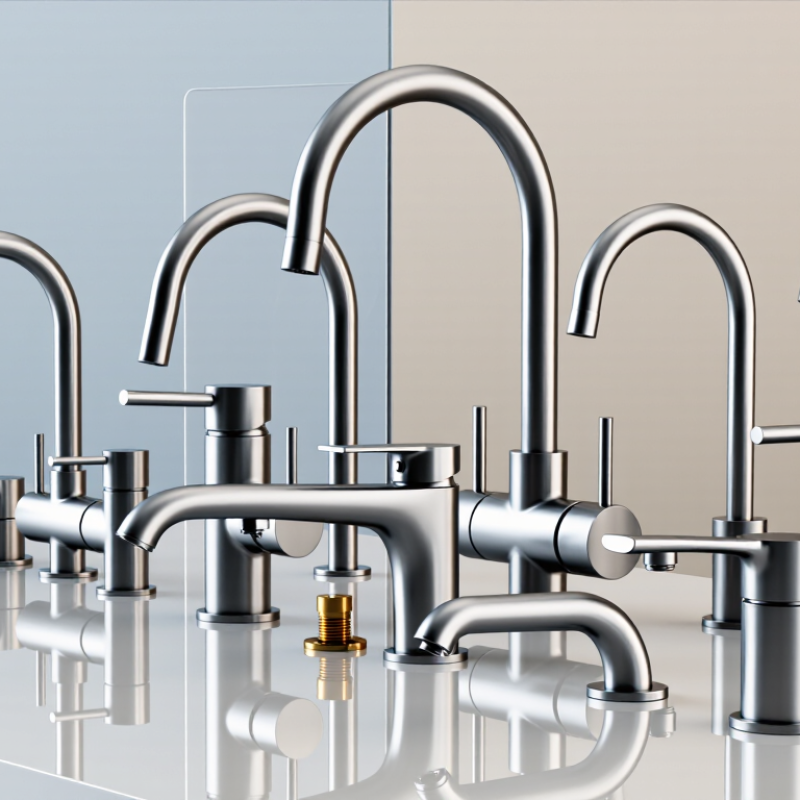
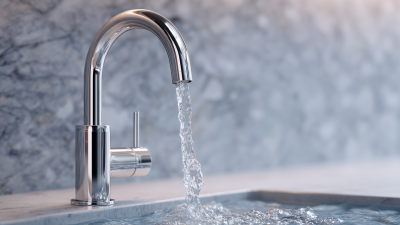
Single lever handle types control water with one hand. The handle changes flow and temperature together. Inside, a cartridge, ball, or ceramic disc moves across water openings. Lift the handle to increase flow. Move it sideways to blend hot and cold water. Ceramic disc models are common in current specifications because they offer precise movement and strong wear resistance. Ball mechanisms allow smooth control, but worn seals may cause dripping.
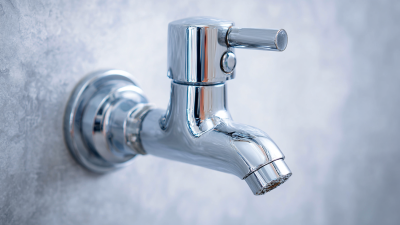
Mounting style also matters. Deck-mounted handles fit sinks and counters. Wall-mounted versions suit compact basins and commercial wash areas. Pull-out and pull-down forms use a vertical motion, while joystick handles provide a short, directional movement. The U.S. Environmental Protection Agency’s WaterSense specification limits qualifying bathroom faucets to 1.5 gallons per minute, at least 30% below the federal standard. This affects handle feel, aerator choice, and buyer expectations. A lighter flow is not always a defect. Sometimes it is efficient design.
Tips: Ask for the cartridge material, pressure range, replacement parts, and test standard. Check the handle at both temperature extremes. It should move smoothly, without a sudden cold surge. The neatest catalog description can still hide poor installation tolerance. I have seen a well-made handle feel unreliable when the mounting nut was loose. Buyers should test the complete assembly, not only the visible lever. Source: U.S. EPA, WaterSense Specification for Residential Bathroom Faucets and Faucet Accessories, Version 1.2.
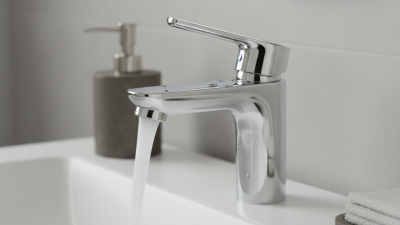
In 2026, slim vertical levers and soft rectangular paddles are leading single lever handle designs. Buyers prefer clear control, clean silhouettes, and comfortable movement. These styles suit modern kitchens, bathrooms, hotels, and compact apartments. Curved loop handles remain relevant because they feel familiar and work well with wet hands. The market is not perfectly settled. Some buyers still choose heavier forms for a stronger, traditional impression.
Material and operation now matter as much as appearance. Brushed stainless steel, durable coated finishes, and easy-clean surfaces support frequent commercial use. Ceramic cartridges can provide smoother control and reduce dripping when properly tested. Ergonomic spacing is essential, especially for older users or people with limited hand strength. Designers are also adding gentle temperature indicators and wider lever surfaces. Small details matter. However, finish durability can vary between suppliers, so buyers should request test reports, sample approval, and clear maintenance guidance.
Tips: Compare the handle with the complete fixture, not alone. Check lever clearance beside walls and backsplashes. Ask about cartridge testing, salt-spray performance, replacement parts, and packaging protection. Confirm regional installation requirements before mass production. A low price may look attractive, but inconsistent tolerances can create costly fitting problems. I would test several samples by hand before approving a large order.
2026 Top Single Lever Handle Types for Global Buyers
Material and finish shape more than appearance. They influence grip, corrosion resistance, cleaning effort, and service life. Stainless steel suits humid bathrooms and coastal projects because its chromium-rich surface resists rust. Brass offers weight and machining flexibility, but its protective coating needs careful inspection. Zinc alloys can reduce cost, yet thin sections may feel less stable during daily use. My field experience suggests that a heavier handle often communicates quality. Still, weight alone can mislead buyers.
Finish selection depends on water quality and cleaning habits. Brushed finishes hide fingerprints and small scratches better than polished surfaces. Matte black creates strong contrast, but mineral deposits can appear quickly on dark surfaces. PVD finishes generally provide better wear resistance than simple painted coatings, although performance varies by supplier and testing method. The U.S. Environmental Protection Agency states that WaterSense bathroom faucets use no more than 1.5 gallons per minute, at least 30% less than standard 2.2-gpm models. Flow performance should be checked alongside finish durability.
Tips: Request coating thickness, salt-spray results, and cycle-test records before approval. Compare samples under real bathroom lighting. Ask whether the finish tolerates mild acidic cleaners. Avoid assuming premium pricing guarantees durability. That assumption fails sometimes. The 2024 Houzz U.S. Bathroom Trends Study also shows continued investment in bathroom upgrades, making consistent finish matching important across faucets, showers, and accessories. A small color difference can look obvious beside a white ceramic basin.
Stainless steel and brass provide a heavier, more substantial feel, while zinc alloy offers a balance between strength, weight, and manufacturing flexibility. ABS is lightweight and cost-efficient for interior applications. Finish selection should match the substrate and exposure conditions: PVD and electroplating are commonly used for metal handles, anodizing is associated with aluminum, and powder coating is suitable for several metal substrates. Property values are typical approximate ranges and vary by alloy, grade, and manufacturing process.
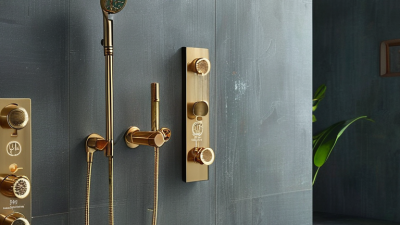
Single lever handles now serve basin, kitchen, shower, and wall-mounted applications. Each type needs different testing. Basin mixers usually require precise flow control and compact connections. Kitchen models need stronger cartridges, flexible hoses, and better swivel performance. Shower mixers require stable temperature control under changing water pressure.
Global buyers should check the correct product standard before approving a sample. EN 817 covers many mechanical mixing valves in European markets. ASME A112.18.1 and CSA B125.1 are common references in North America. For drinking-water contact, review NSF/ANSI/CAN 61 and lead-content requirements such as NSF/ANSI/CAN 372. Local approval may still be required. Do not guess.
Confirm the thread type, inlet size, working pressure, temperature range, and flow rate. G1/2 connections may not match every installation system. Ask for test reports, material declarations, cartridge-cycle results, and corrosion testing.
A surface can look excellent after polishing, yet fail after repeated cleaning. That detail is easy to miss. Check whether the supplier tested the complete faucet, not only individual parts. Packaging also deserves attention, especially when ceramic cartridges or pull-out hoses face long-distance transport.
A practical sample inspection should include handle force, leakage, temperature adjustment, and installation clearance. Measure twice. Small dimensional errors can create costly site delays.
Standards are useful, but certificates can become outdated, incomplete, or limited to another model. Buyers should verify certificate numbers, testing scope, production consistency, and the actual factory location. Some specifications may need revision after field feedback. That is normal, and worth recording.
2026 Top Single Lever Handle Types for Global Buyers
How Can Buyers Compare Suppliers, Costs, and Long-Term Value?
Single lever faucets now range from standard deck-mounted models to pull-out, wall-mounted, and thermostatic designs. Buyers should compare more than the opening quotation. The U.S. EPA WaterSense specification limits bathroom faucet flow to 1.5 gallons per minute, compared with 2.2 gallons for conventional models. This can reduce water use by about 30 percent. Yet, lower flow may feel weak in some markets. User experience still matters.
Supplier evaluation should include cartridge testing, body material, coating thickness, spare-part availability, and quality records. Request test evidence under ISO 3822 for noise and relevant potable-water material standards. Compare landed cost, not factory price alone. Freight, import duties, installation time, leakage risk, and warranty claims can change the final number. The World Bank reported that 2.2 billion people lacked safely managed drinking water in 2022. Water efficiency is important, but local infrastructure and maintenance conditions deserve equal attention.
Tips: Build a simple five-year cost sheet. Record unit price, shipping, expected water use, replacement cartridges, and service labor. Ask suppliers for batch inspection reports and failure data. Some suppliers may offer impressive testing documents but limited after-sales support. I have seen buyers overlook this gap. That mistake is expensive. Also, do not assume heavier metal always means better performance; internal cartridge quality often decides service life.
| Single-Lever Handle Type | Typical Applications | Common Body Material | Valve or Cartridge Design | Typical Installation | Indicative 2026 OEM Cost USD per Unit |
Typical Service Life | Water-Use Considerations | Maintenance Profile | Supplier Comparison Priorities | Long-Term Value |
|---|---|---|---|---|---|---|---|---|---|---|
| Single-Lever Basin Faucet | Residential bathrooms, apartments, hotels, and commercial washrooms | Brass or stainless steel; zinc alloy may be used for selected external components | 35–40 mm ceramic cartridge is common | Single-hole deck mounting; flexible supply hoses | $12–$35 | 8–15 years with suitable water quality and regular use | Flow restrictors commonly support approximately 4–8 L/min, depending on market requirements | Low; periodic aerator cleaning and cartridge replacement may be required | Cartridge testing, leakage rate, coating adhesion, hose quality, mounting stability, and spare-part availability | High for broad-volume programs |
| Single-Lever Kitchen Faucet | Domestic kitchens, utility rooms, residential developments, and light commercial kitchens | Brass or stainless steel with plated, brushed, or powder-coated finishes | 35–40 mm ceramic cartridge; pull-out models may include a diverter | Single-hole deck mounting; optional pull-out or pull-down hose | $20–$65 | 8–15 years; hose and spray-head durability strongly affect actual life | Typical flow is approximately 5–9 L/min; swivel range and spray mode influence practical water use | Medium; spray-head, hose, weight, and diverter may need periodic servicing | Hose cycle testing, swivel durability, spray-head replacement, counterweight design, and resistance to surface wear | High when ergonomics and durability are balanced |
| Pull-Out Kitchen Faucet | Compact kitchens, apartments, and installations requiring flexible sink coverage | Brass or stainless steel body; polymer spray head is common | Ceramic cartridge with integrated spray diverter | Single-hole deck mounting with retractable hose | $24–$70 | 7–12 years, depending on hose cycling and sink configuration | Flow restrictors commonly target approximately 5–8 L/min | Medium; hose, spray head, diverter, and retraction mechanism require inspection | Hose cycle count, smooth retraction, weight balance, connection quality, and replacement-component supply | Medium to high |
| Pull-Down Kitchen Faucet | Large residential sinks, premium housing, hospitality, and food-preparation areas | Brass or stainless steel; reinforced hose and magnetic or mechanical docking system | Ceramic cartridge with spray diverter | Single-hole deck mounting; high-arc spout | $30–$90 | 8–15 years; docking and hose systems are key life-cycle factors | Typical flow is approximately 5–9 L/min, depending on the spray mode and local regulations | Medium; requires cleaning of spray outlets and inspection of hose and docking components | Docking reliability, hose abrasion, spray-mode switching, counterweight performance, and corrosion resistance | High for premium positioning |
| Wall-Mounted Single-Lever Faucet | Contemporary bathrooms, compact basins, hospitality projects, and accessible layouts | Brass or stainless steel; concealed installation components may vary | 35–40 mm ceramic cartridge with concealed rough-in body | Wall-mounted with concealed plumbing and external trim set | $28–$85 | 10–20 years when the concealed body is correctly installed | Flow control commonly supports approximately 4–8 L/min | Low after installation, but concealed cartridge access must be planned | Rough-in compatibility, cartridge access, sealing quality, installation tolerance, and trim-to-body fit | High for design-led projects |
| Thermostatic Single-Lever Mixer | Showers, healthcare facilities, hotels, and applications requiring stable temperature control | Brass body with corrosion-resistant external finish | Thermostatic control element, safety stop, and flow-control mechanism | Exposed or concealed wall mounting, depending on configuration | $45–$130 | 8–15 years; performance depends on water filtration and scale control | Flow rates commonly range from approximately 6–12 L/min, depending on outlet and pressure | Medium to high; filters and control elements may require cleaning or replacement | Temperature stability, anti-scald response, inlet check valves, filter accessibility, and spare-element availability | High where safety and comfort justify cost |
| Sensor-Assisted Single-Lever Faucet | Public washrooms, healthcare, hospitality, offices, and water-saving programs | Brass or stainless steel body with electronic sensor module | Solenoid valve with manual override or integrated mechanical control | Deck-mounted or wall-mounted, usually with a dedicated power or battery compartment | $65–$180 | 6–12 years; electronic components and solenoid valves influence replacement cycles | Automatic shut-off can reduce unnecessary running time; flow commonly targets approximately 2–6 L/min | Medium to high; sensor lens, filter, battery, solenoid, and control module require attention | Detection range, false activation rate, battery life, ingress protection, manual override, and local service capability | Medium to high, depending on usage volume |
| Commercial Heavy-Duty Single-Lever Faucet | Restaurants, schools, hospitals, public facilities, and high-frequency wash areas | Heavy-gauge brass or stainless steel with reinforced operating components | Commercial ceramic cartridge or replaceable valve assembly | Deck or wall mounting; reinforced connections may be required | $45–$150 | 10–20 years with scheduled servicing and suitable water conditions | Flow rate varies widely; aerators and regulators can be selected for local efficiency requirements | Medium; designed for repair rather than complete replacement | Cycle testing, cartridge interchangeability, structural strength, tamper resistance, and service-kit availability | Very high for high-use facilities |