What is an Angle Stop Valve and How Does it Work?
An Angle Stop Valve is a crucial component in plumbing systems. These valves control water flow to various fixtures. According to Richard Klein, a plumbing expert with over 20 years of experience, “The Angle Stop Valve is essential for easy maintenance and repairs.” His insight highlights its importance in everyday plumbing.
The design of an Angle Stop Valve allows for efficient water regulation. It connects directly to fixtures, making it handy for isolating water supply. This convenience is vital during repairs. However, many homeowners overlook its maintenance. Neglecting these valves can lead to leaks or unexpected failures. This should serve as a reminder of the valve's significance.
Understanding the function and upkeep of Angle Stop Valves is key. While they seem simple, the impact of a malfunction can be significant. Therefore, regular checks are advisable. Homeowners must be aware of this essential plumbing component. It's a small but critical piece of the overall system.
What is an Angle Stop Valve?
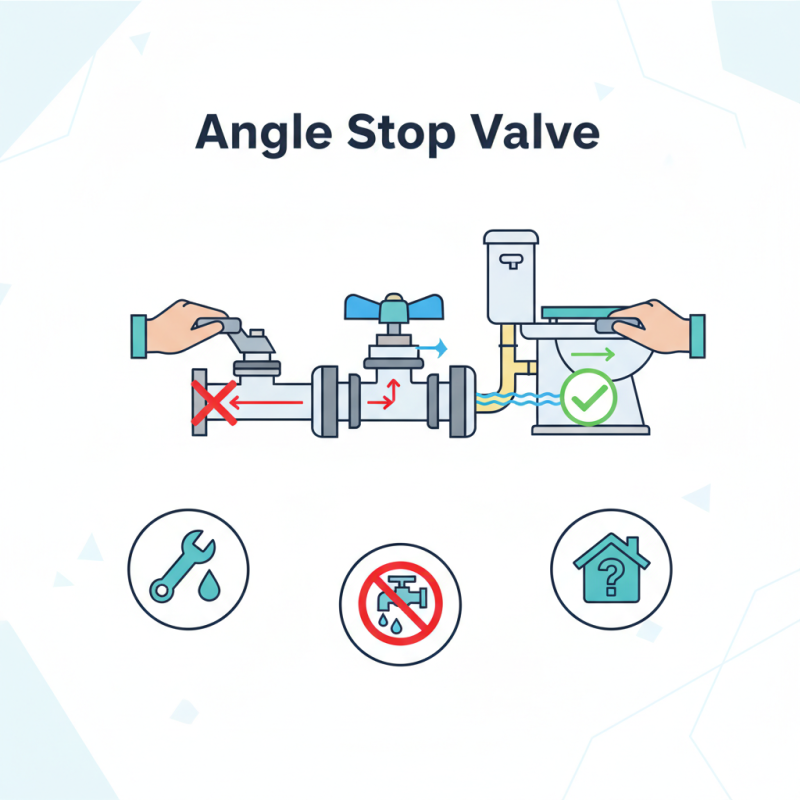
An angle stop valve is a crucial component in plumbing systems. It allows for better control over water supply. Typically, you’ll find this valve near fixtures like sinks and toilets. Its design features a 90-degree angle, hence the name. This structure helps save space and simplifies installation.
The valve operates by turning a handle. When turned, it opens or closes to regulate water flow. This mechanism is essential for repairs, as it lets you isolate sections of a plumbing system. You can replace faucets without shutting off the whole house. However, improper installation can lead to leaks.
Regular maintenance is key. Check for any signs of corrosion or wear. Ignoring these signs can cause significant issues later. It’s easy to overlook small components, yet they are vital. Understanding how an angle stop valve works is important for any homeowner. It can save time and prevent costly water damage.
What is an Angle Stop Valve and How Does it Work?
| Feature |
Description |
| Definition |
An angle stop valve is a valve that controls the flow of water from a supply line to a fixture at an angle, typically 90 degrees. |
| Function |
It allows for easy shut-off of water flow to plumbing fixtures, facilitating repairs or replacements without impacting the whole system. |
| Common Materials |
Typically made from brass, chrome, or plastic, which are chosen for their durability and resistance to corrosion. |
| Applications |
Used in residential plumbing to connect faucets, toilets, and water supply lines. |
| Installation |
Usually installed beneath sinks or behind toilets; requires proper sealing to prevent leaks. |
| Maintenance |
Regular inspections for leaks and functionality are recommended, with occasional lubrication for smooth operation. |
| Benefits |
Provides convenience for maintenance, prevents water wastage, and enhances overall plumbing efficiency. |
The Components of an Angle Stop Valve
An angle stop valve is a crucial component in plumbing systems. It controls water flow in pipes, especially where space is limited. The essential parts include the body, stem, and seat. The body houses the internal mechanisms. The stem operates the valve, and the seat creates a seal.
Understanding these components can help in diagnosing issues. If water leaks from the valve, the seat may be damaged. A worn-out stem can lead to difficulty in turning the valve. Regular inspection is vital. Look for signs of wear, rust, or leaks.
Tip: Always ensure the water supply is off before performing any maintenance. This avoids unnecessary water damage.
Taking time to understand your angle stop valve can save headaches. Sometimes, even a small issue can lead to bigger problems. Regular checks can keep your plumbing running smoothly. Staying proactive means fewer surprises in the long run.
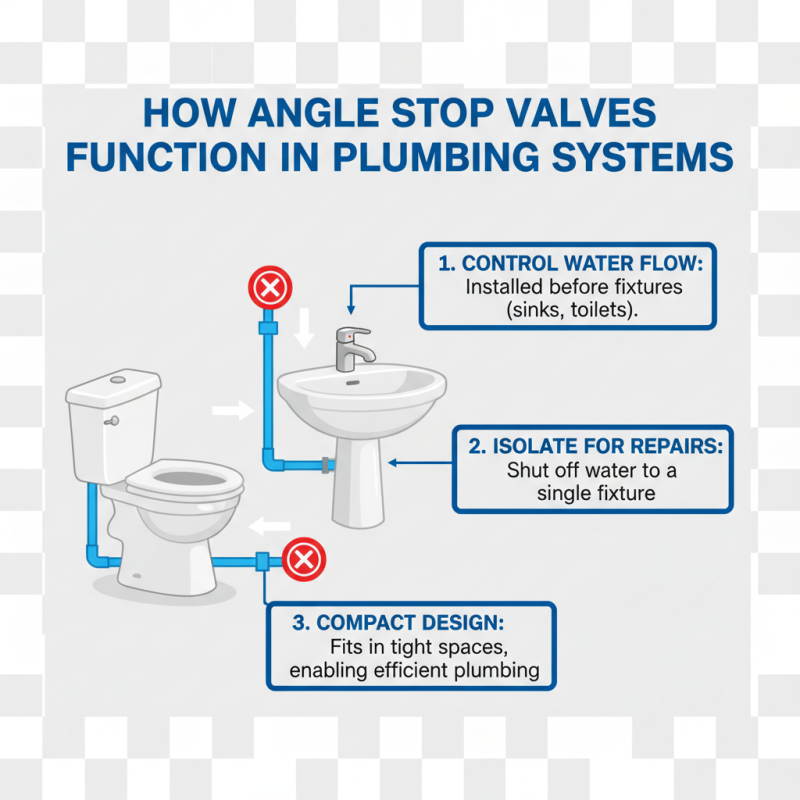
How Angle Stop Valves Function in Plumbing Systems
Angle stop valves play a crucial role in plumbing systems. These small valves control water flow to fixtures like sinks and toilets. They are usually installed in tight spaces, making them essential for efficient plumbing designs.
When you turn the handle, water flow stops, or starts. This allows for easy repairs without shutting off the main water supply. It is interesting to note that many people overlook these valves. They often assume that all plumbing systems are pressure-tested. However, leaks can occur over time, especially in older homes. Regular inspections can help avoid inconvenient surprises.
Proper functioning of angle stop valves is vital. If they become stuck, it can be frustrating. It’s important to check them periodically. Removing debris can help maintain their performance. Yet, some might argue that these simple components receive too little attention. A small malfunction can lead to larger plumbing issues, which can be costly. Therefore, understanding and maintaining angle stop valves is essential for every homeowner.
Common Applications for Angle Stop Valves
Angle stop valves are commonly used in various plumbing applications. They serve as shut-off valves, allowing for the control of water flow to fixtures. This makes them essential in kitchens and bathrooms. For instance, under-sink installations often utilize these valves to simplify maintenance. If a faucet leaks, you can easily turn off the valve without shutting off the main supply.
These valves also find use in heating systems. They help regulate the flow of hot water within radiators. By adjusting the valve, homeowners can control heating efficiency. However, sometimes they can be hard to reach or operate. This can create issues during maintenance. Additionally, their placement may be inconvenient in tight spaces.
In laundry rooms, angle stop valves connect washing machines to water supply lines. They allow for quick disconnections during repair tasks. While they are functional, users often forget their existence. Regular checks can prevent unexpected leaks. Remembering to inspect them is essential for optimal performance.
Angle Stop Valves: Common Applications and Usage Statistics
Maintenance and Troubleshooting for Angle Stop Valves
Angle stop valves are essential components found in plumbing systems. Their function is to control water flow to fixtures. Regular maintenance is crucial for their longevity and efficiency.
A common issue arises when the valve becomes clogged. Sediment can build up inside. This often leads to reduced water flow. To troubleshoot, first turn off the water supply. Remove the valve handle and check for debris. Clean any buildup to restore function.
Tips: Inspect your valve regularly. Look for leaks or rust. If found, it’s time to replace the valve. Avoid waiting for bigger issues to develop.
If the valve feels stiff, it may need lubrication. A little bit of plumbing grease can help. However, too much grease can attract dirt, leading to more problems. Be mindful of the amount you use.