Best Angle Stop Valve Options for Global Buyers?
Choosing the right Angle Stop Valve can be a complex task for global buyers. According to John Mercer, a leading expert in plumbing systems, “Quality and reliability are paramount in selecting an Angle Stop Valve.” This insight emphasizes the importance of thorough research before making any procurement decisions.
When investigating different options, it is crucial to consider several factors. The valve’s material, functionality, and durability are vital. Many buyers overlook these details, which can lead to unexpected issues later. A flimsy valve can cause leaks or failures, resulting in costly repairs.
Furthermore, the market is flooded with various models and manufacturers. This variety can create confusion. A discerning buyer must aim for high-quality products that meet specific needs. As Mercer points out, a balance between cost and reliability is essential. Taking the time to explore all available options can lead to better decisions.
Overview of Angle Stop Valves and Their Applications
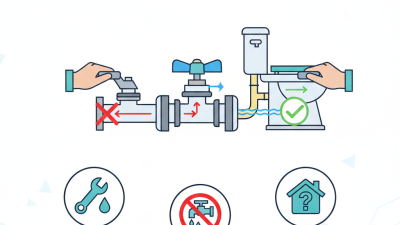
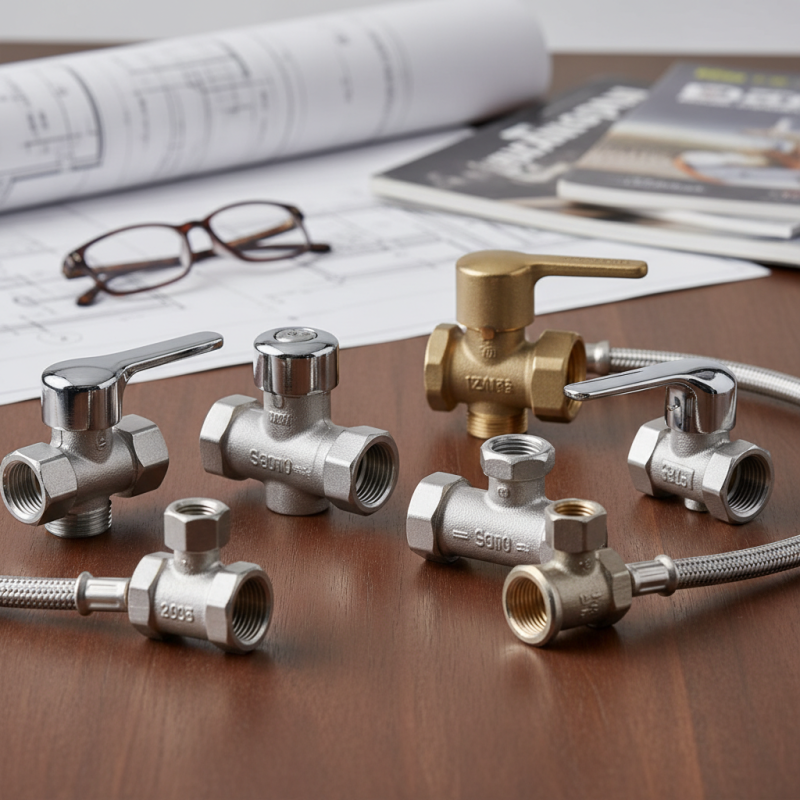
Angle stop valves play a critical role in plumbing systems. They are designed to control water flow in supply lines. Often found under sinks and toilets, they allow for easy maintenance and repairs. Their compact shape enables them to fit in tight spaces while offering reliable performance.
When selecting an angle stop valve, consider the material used. Brass and chrome are durable options, but plastic variants may be lightweight and cost-effective. The connection size is equally important. Ensure compatibility with existing pipes to avoid leaks.
Tips: Regularly inspect your valves for signs of wear. Look for rust or corrosion, as these can indicate potential issues. If you notice any leaks, address them promptly. This can prevent more substantial problems down the line.
The installation of angle stop valves may seem straightforward. However, improper installation can lead to problems. Ensure the valve is securely tightened and positioned correctly. Consult a plumbing professional if you feel uncertain. Doing it right the first time saves time and money later.
Key Features to Consider When Selecting Angle Stop Valves
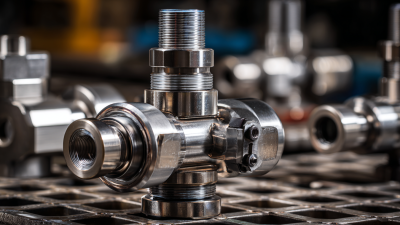
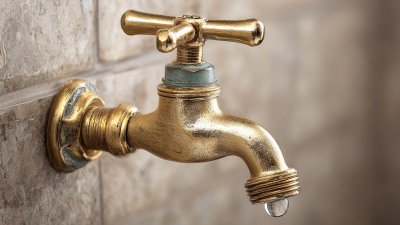
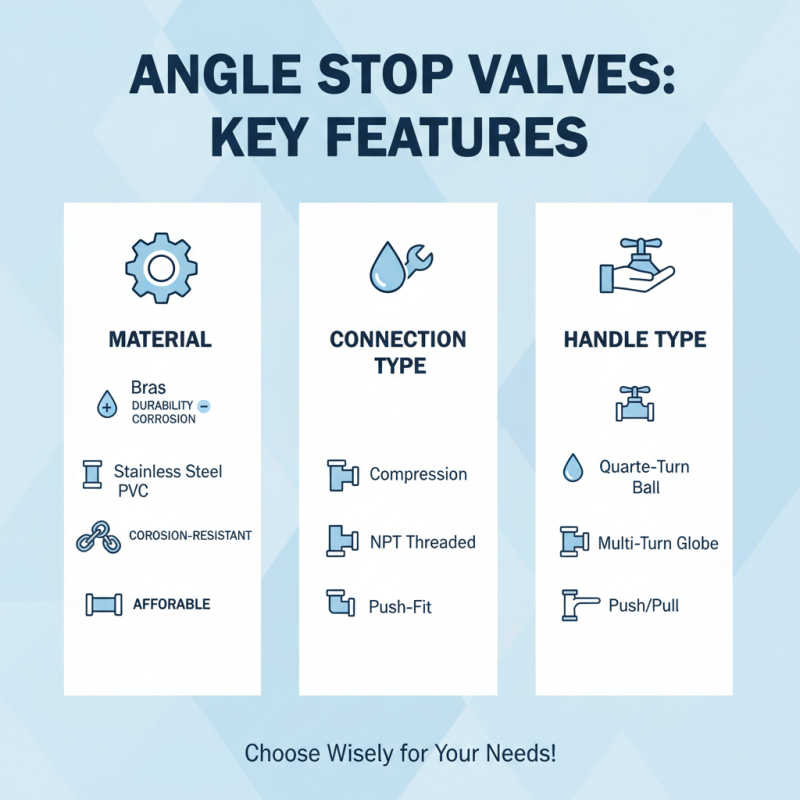
When selecting angle stop valves, several key features are crucial for making the right choice. First, consider the material of the valve. Brass, stainless steel, and PVC are common options. Each material has its advantages and drawbacks. For example, brass offers durability but can corrode over time. Therefore, users need to assess their specific needs carefully.
Another essential feature is the valve’s size and connection type. A proper fit ensures no leaks. It's important to measure the existing plumbing accurately. Note that standard sizes may not always work in unique setups. This situation can lead to frustration during installation.
Lastly, check the valve’s flow rate and pressure rating. These specifications matter for efficiency and performance. Low-quality valves might restrict flow. This can result in higher energy bills and inefficiency. Users should balance performance with cost when making their choice. Finding reliable sources for product information may also pose a challenge.
Top Manufacturers of Angle Stop Valves in the Global Market
When looking for top manufacturers of angle stop valves, it's essential to assess their credibility and expertise in the field. Many companies specialize in producing reliable angle stop valves that influence plumbing systems worldwide. These valves control water flow in various applications. Professionals often recommend valves constructed from durable materials that ensure longevity and resistance to corrosion.
Several manufacturers stand out in the global market for their innovation and high-quality products. They frequently dominate industry exhibitions, showcasing advanced designs and technologies. Reliable manufacturers not only offer bulk purchasing options but also provide comprehensive after-sales support. Customers appreciate their willingness to listen and improve based on feedback.
The competitive landscape invites reflection on regional preferences and industry standards. Some manufacturers may excel in specific markets while facing challenges in others. Criteria for selecting manufacturers can vary widely. Pricing, delivery times, and warranty options play significant roles. Ultimately, choosing the right angle stop valve is not just about the product. It’s also about finding a partner that understands the unique needs of each project.
Comparative Analysis of Materials Used in Angle Stop Valves
When selecting angle stop valves, material choice greatly impacts performance. Common materials include brass, stainless steel, and plastic. Brass is popular for its durability and corrosion resistance. It’s well-suited for water applications but can struggle with harsh environments.
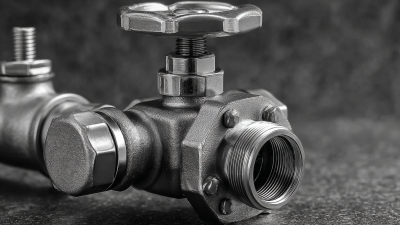
Stainless steel stands out for its high strength and resilience. Ideal for high-pressure systems, it resists rust and scaling. However, it can be costlier than brass. Plastic valves are lightweight and resistant to aggressive chemicals. They’re easier to install but may not withstand high temperatures as effectively.
Each material has unique advantages and drawbacks. Buyers need to assess their specific requirements, including pressure ratings and environmental conditions. Understanding these nuances helps ensure a reliable choice. Thoughtful consideration of materials can lead to better long-term performance, reducing the need for replacements.
Best Angle Stop Valve Options for Global Buyers
Best Practices for Installing and Maintaining Angle Stop Valves
Proper installation of angle stop valves is essential for optimal performance. Start by ensuring that the plumbing system is appropriately drained. This prevents water from spilling into the installation area. Use the right tools for the job, such as a pipe wrench. Avoid overtightening, as this can damage the valve or the piping.
Regular maintenance is key to longevity. Inspect the valves at least once a year. Look for signs of corrosion or leaks. If you notice any issues, address them promptly. Regular cleaning can also prevent sediment buildup. This helps maintain proper water flow and prevents blockages.
Even seasoned professionals can overlook details. It’s easy to forget that valves may need adjustment with temperature changes. Fluctuations can affect the seal, leading to leaks. A checklist can help ensure that all aspects are reviewed during installation and maintenance. Keeping a log of inspections can also guide future maintenance schedules.