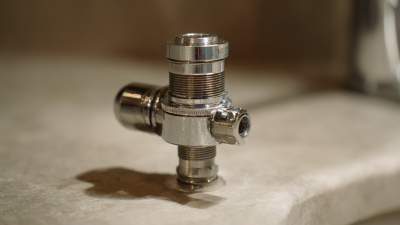
Why You Should Choose Brass Fittings for Faucet Upgrades in Your Home
When considering an upgrade for your home’s plumbing fixtures, the choice of materials can significantly impact both functionality and aesthetics. One of the best options available on the market today is brass fittings for faucet installations. With their remarkable durability, resistance to corrosion, and timeless appeal, brass fittings serve as an excellent investment for homeowners looking to enhance their faucets. This article will explore why choosing brass fittings for faucet upgrades can lead to improved performance and longevity, alongside offering a sophisticated look that complements any kitchen or bathroom design.
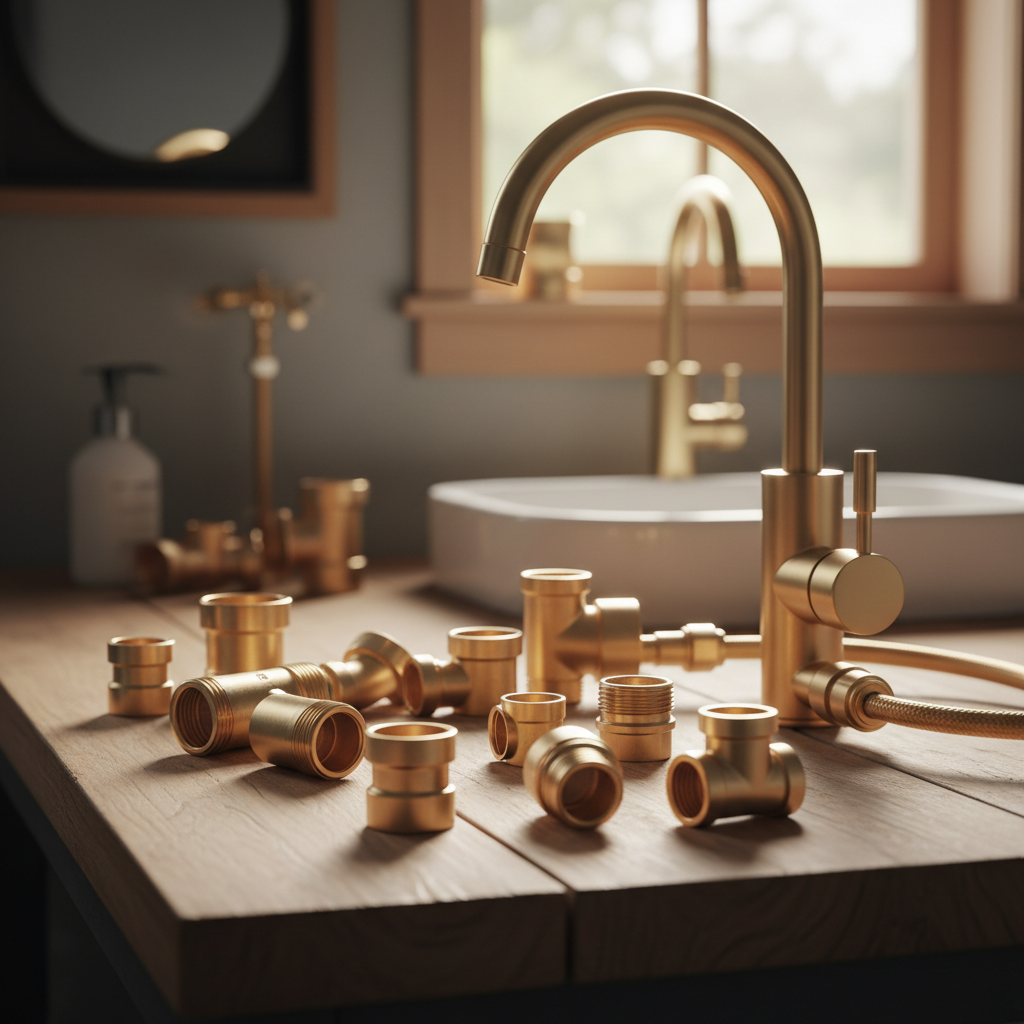
In the following sections, we will delve into the key benefits of using brass fittings for faucet upgrades. From their robust construction to their ability to withstand high water pressure, brass fittings provide reliability that other materials often cannot. Additionally, we will discuss maintenance tips and how to properly install these fittings to ensure optimal functionality. By the end of this guide, you will be equipped with the knowledge needed to make informed decisions about upgrading your faucets with brass fittings.
Benefits of Brass Fittings in Home Faucet Upgrades
Brass fittings are an excellent choice for faucet upgrades in any home due to their
superior durability and
corrosion resistance. Unlike plastic or other metal options, brass can withstand high temperatures and pressures, making it ideal for plumbing applications. This means that your faucet upgrade will not only look good but will also last for years without leaks or failures.
When choosing brass fittings, consider the benefits of their aesthetic appeal. The warm, golden hue of brass complements a wide range of design styles, from traditional to modern. Additionally, brass fittings often age beautifully, developing a unique patina that can enhance your home's character.
Tips: When installing brass fittings, ensure that all connections are properly sealed with Teflon tape to prevent leaks. It’s also advisable to choose fixtures that are lead-free for added safety. For a perfect match, consider buying fittings and faucets from the same manufacturer, as this can help ensure compatibility in design and size.
Comparing Brass Fittings to Other Materials for Faucets
When considering an upgrade for your home's faucets, the choice of materials can significantly impact both performance and durability. Brass fittings stand out as a superior option compared to alternatives like plastic or stainless steel. Brass is highly resistant to corrosion, making it ideal for humid environments and ensuring a longer lifespan for your fixtures. This characteristic is particularly important in areas like kitchens and bathrooms where moisture levels fluctuate frequently.
Moreover, brass fittings offer a robust connection that can withstand higher water pressures, which enhances overall functionality. Unlike plastic, which can become brittle over time and stainless steel that may require more upkeep to prevent tarnishing, brass fittings maintain their integrity and appearance with minimal maintenance. Additionally, the aesthetic appeal of brass adds a touch of elegance and warmth to your decor, making it a practical choice that doesn't compromise on style.
Easy Maintenance Tips for Brass Faucet Fittings
When considering faucet upgrades in your home, brass fittings not only bring aesthetic appeal but also ease of maintenance. According to a report by the Plumbing Industry Association, brass fittings are recognized for their durability and resistance to corrosion, making them a preferred choice for long-term investment. In fact, over 60% of plumbing professionals recommend brass fittings due to their longevity and reliability, significantly reducing the need for frequent replacements or repairs.
To ensure the longevity of your brass faucet fittings, regular maintenance is essential. A simple cleaning routine can prevent the buildup of mineral deposits that may affect both appearance and functionality. Experts suggest using a mixture of vinegar and water to gently clean brass fixtures, ensuring that you avoid abrasive cleaners which can scratch the surface. Additionally, lubricating moving parts annually with a silicone-based lubricant can enhance performance and prolong life, a practice endorsed by over 70% of plumbing experts in recent surveys. By incorporating these easy maintenance tips, homeowners can enjoy the benefits of brass fittings while minimizing long-term upkeep costs.
How to Choose the Right Brass Fittings for Your Home
When upgrading your home’s faucets, selecting the right brass fittings can significantly enhance both functionality and aesthetic appeal. To choose the best fittings, consider the specific requirements of your plumbing system. Start by measuring the pipe diameter and type—whether it’s the standard PEX, PVC, or copper. This ensures compatibility and prevents leaks or future issues.
Tips: Always opt for fittings with a solid construction and appropriate wall thickness, as these will exhibit better durability. Look for fittings that are certified for lead-free compliance to ensure safe water quality. Additionally, consulting with a plumbing expert can provide valuable insights on the best brass fittings suited for your unique needs.
Another important aspect is the finish of the brass fittings. You can find options in polished, brushed, or even antique finishes. Choose one that complements your faucet and overall bathroom or kitchen theme. Remember, the right choice not only improves functionality but also adds a touch of elegance to your home.
Tips: When selecting finishes, consider the maintenance level required; polished surfaces may require more upkeep than brushed options. Always prioritize quality over price—investing in high-grade brass fittings will save you money on replacements and repairs in the long run.
Installation Guide for Brass Fittings in Faucet Upgrades
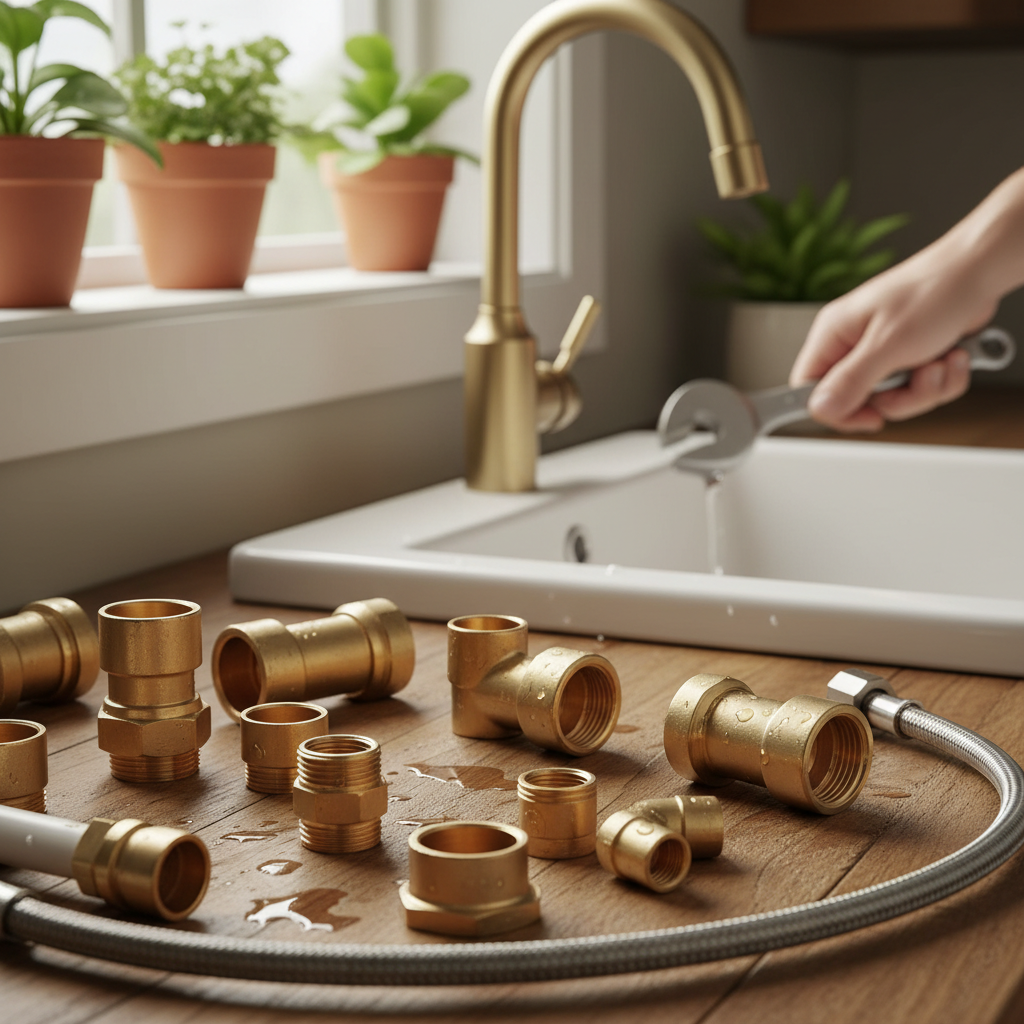
When it comes to upgrading faucets, brass fittings stand out for their durability and reliability. Installing brass fittings can enhance the longevity of your plumbing system. To ensure a smooth installation process, start by turning off the water supply. This not only prevents flooding but also allows you to work safely without stress.
Tips: Use plumber's tape on the threads of your brass fittings to create a strong seal and prevent leaks. It's also advisable to have a basin wrench on hand, which can help you reach difficult angles during installation.
Next, carefully attach the brass fittings to your existing pipes and fittings. Hand-tighten them first to ensure they're properly aligned before using a wrench for a secure fit. Be cautious not to over-tighten, as this can lead to damage. Always check for potential leaks after completing your installation by briefly turning the water supply back on.
Tips: Invest in a good quality set of tools to make the installation process more efficient. And don't hesitate to consult a professional if you're unsure about any step to avoid costly mistakes.