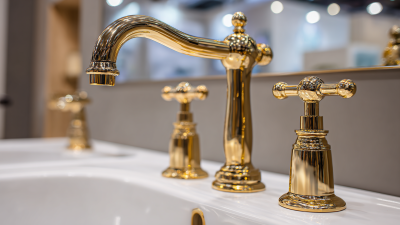
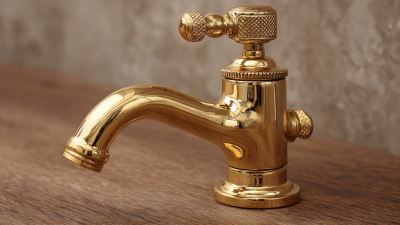
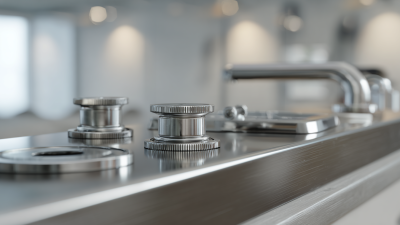
Brass Fittings for Faucet What You Need to Know
When it comes to plumbing, understanding "Brass Fittings For Faucet" is crucial. These fittings are small yet significant components in the faucet system. They connect pipes and secure the flow of water. Many homeowners overlook their importance. Choosing the right fittings can prevent leaks and save water.
Brass fittings come in various shapes and sizes. They must match the faucet and existing plumbing. Poor choices might lead to frustrating leaks. Sometimes, even professionals make mistakes. It's essential to double-check specifications before purchasing. A simple misunderstanding can result in wasted time and money. You might think they are just accessories, but they determine the performance of your faucet.
Investing in quality brass fittings can enhance your plumbing system. They resist corrosion and last longer than plastic alternatives. However, not all brass is created equal. Misleading product descriptions can lead buyers astray. Research is necessary to ensure you get the best fittings for your faucet. Take the time to understand these components; it will pay off in the end.

Understanding Brass Fittings in Faucets: An Overview
Understanding brass fittings in faucets is essential for anyone looking to maintain or upgrade their plumbing system. Brass is a popular material for these fittings due to its durability and resistance to corrosion. However, not all brass fittings are created equal. Some may contain impurities, which can lead to leaks or failures over time. It's crucial to inspect the quality before making a purchase.
Many homeowners overlook the importance of proper installation. A loose fitting can create pressure points, leading to unwanted leaks. Tightening fittings may seem like a simple task, but it requires caution. Over-tightening can strip threads or damage components. It’s a balancing act, and mistakes can be costly. Regular checks on these fittings can prevent bigger issues in the future.
Sometimes, the design of the faucet and its fittings can cause compatibility problems. Older plumbing systems may not mesh well with new brass fittings. This can create a frustrating experience. Researching and understanding the specifications of your faucet model can save time and effort. In plumbing, every detail matters, and it's worth the effort to ensure everything fits perfectly.
Types of Brass Fittings Commonly Used in Faucets
When it comes to brass fittings for faucets, understanding the types available is essential. These fittings connect various parts of your plumbing system. Common types include compression fittings, threaded fittings, and solder fittings.
Compression fittings are versatile. They work well for both hot and cold water. You slide the fitting onto the pipe, then tighten a compression nut. This provides a strong seal, but it may loosen over time.
Threaded fittings have male and female ends. They screw onto pipes or fixtures. This easy installation is convenient, but the thread can wear out. Use plumber’s tape for a better seal.
Solder fittings are permanent. They require heating with a torch. This creates a strong bond, but it’s not always easy to undo. Mistakes can lead to leaks.
Tips: Always check for compatibility. Not all brass fittings fit every faucet. Measure carefully to avoid issues. Regular maintenance can prevent problems. Inspect fittings for wear and replace them as needed.
Advantages of Using Brass Fittings in Plumbing
When it comes to plumbing, brass fittings stand out. They offer numerous advantages that make them a popular choice for faucets. Brass is highly durable and resistant to corrosion. According to a 2022 industry report, brass fittings can last up to 40 years when properly maintained. This longevity minimizes the need for replacements, saving money over time.
Brass fittings can also handle high pressure and temperature variations. This means a lower risk of leaks or breakages. In homes with varying water temperatures, brass remains stable. This feature enhances safety, ensuring peace of mind for homeowners.
Tips: Regularly inspect your brass fittings for discoloration. This can indicate wear. Ensure you clean them gently to extend their lifespan. When installing, be cautious about over-tightening, as this can damage the fittings. Remember, the quality of your plumbing impacts your home’s value. Always consider reliable materials when making choices.
Brass Fittings for Faucet - What You Need to Know
| Feature |
Description |
Advantages |
| Corrosion Resistance |
Brass fittings resist rust and corrosion due to their copper and zinc composition. |
Longer lifespan and reduced maintenance costs. |
| Durability |
Brass is a sturdy material that can withstand high pressures. |
Reduces the likelihood of leaks and failures over time. |
| Easy to Work With |
Brass fittings can be easily machined and installed. |
Saves time and labor in plumbing installations. |
| Thermal Conductivity |
Brass has excellent thermal conductivity, making it ideal for hot water systems. |
Improved efficiency in hot water plumbing applications. |
| Aesthetic Appeal |
Brass fittings have a shiny, attractive finish. |
Enhances the overall look of plumbing fixtures. |
Installation Tips for Brass Faucet Fittings
When installing brass faucet fittings, precision is key. The installation process must follow specific guidelines to ensure a secure fit. According to a recent industry report from the Plumbing Manufacturers International, improper installation can result in leaks, which account for 25% of plumbing issues homeowners face. It's essential to ensure that all components are compatible and well-aligned.
Begin by identifying the right size and type of fitting. Measure pipes accurately to avoid gaps. Using Teflon tape can help create a watertight seal. It's a small detail, but it significantly impacts the overall installation quality. Additionally, always hand-tighten the fittings first. Over-tightening can warp components, leading to future leaks.
Maintaining a clean worksite is crucial. Debris can lead to corrosion, limiting the lifespan of the fittings. Many homeowners overlook this aspect, risking costly repairs later. It’s essential to double-check every connection and valve. A thorough inspection can save you headaches down the line. Even small mistakes can lead to big problems. Installing brass fittings might seem straightforward, but diligence ensures lasting results.
Maintenance and Care for Brass Fittings in Faucets
Brass fittings are common in faucets, providing durability and aesthetic appeal. However, they require proper maintenance to ensure longevity. Research shows that over 30% of faucet issues stem from neglecting brass fittings. Regular cleaning can prevent mineral buildup, which impacts performance. Use a mixture of vinegar and water to keep fittings shining and functional.
Water quality also plays a role in maintaining brass fittings. High mineral content can accelerate corrosion. Installing a water softener may help mitigate this problem. It’s noteworthy that around 60% of homeowners overlook this factor, which can lead to costly repairs.
Inspect fittings periodically for signs of wear. Small leaks can escalate quickly if not addressed. Pay attention to the seals and gaskets. They might degrade, leading to water wastage. Even the best fittings are not immune to wear and tear. A proactive approach is essential for maintaining brass fittings in faucets.
Maintenance and Care for Brass Fittings in Faucets