How to Choose the Best Bathtub Adapter for Your Bathroom Needs
When it comes to enhancing the functionality and comfort of your bathroom, selecting the right Bathtub Adapter is crucial. With a plethora of options available on the market, it can be overwhelming to determine which one best suits your personal needs and preferences. A Bathtub Adapter not only allows for greater flexibility in how you use your bathtub but also ensures that essential features such as water flow and temperature regulation are seamlessly integrated into your bathing experience.
In this guide, we will explore essential factors to consider when choosing a Bathtub Adapter. Whether you are aiming for a specific aesthetic, looking for ease of installation, or prioritizing durability and performance, understanding the various aspects of bathtub adapters will empower you to make an informed decision. From the compatibility of the adapter with your existing bathtub fixtures to the type of materials used in construction, each element plays a significant role in establishing a comfortable and efficient bathing environment. By the end of this discussion, you will be well-equipped to select the ideal Bathtub Adapter that aligns with your bathroom needs, blending convenience with style.
Factors to Consider When Selecting a Bathtub Adapter
When selecting a bathtub adapter, several key factors should be taken into account to ensure it meets your specific bathroom needs. First and foremost, consider the size and shape of your bathtub. Adapters come in various dimensions and configurations, so choosing one that fits snugly with your existing setup is crucial for both functionality and aesthetics. Measure the width and depth of your tub’s spout and faucet area to identify suitable adapters.
Another important factor is the material and durability of the adapter. You'll want to select an adapter that can withstand exposure to water and soap, as well as potential wear over time. Options in materials such as high-quality plastic or metal can offer different advantages in terms of longevity and ease of maintenance. Additionally, check the adapter’s installation process; some may require tools or plumbing knowledge, while others are designed for simple, tool-free installation. Ensuring the adapter is compatible with your plumbing system is essential to avoid leaks or further complications.
Types of Bathtub Adapters and Their Applications
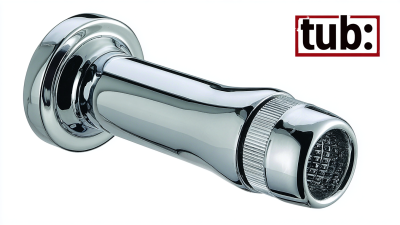
When selecting a bathtub adapter, it's essential to consider the various types available and their unique applications. One of the most common types is the standard bathtub adapter, which suits traditional bathtubs and is often used to convert standard faucets for easier filling. According to market research, approximately 60% of homeowners prefer standard adapters for their reliability and ease of installation, making them a popular choice for DIY renovations. These adapters typically feature adjustable hoses that allow for versatility in water flow and temperature control.
[图片]
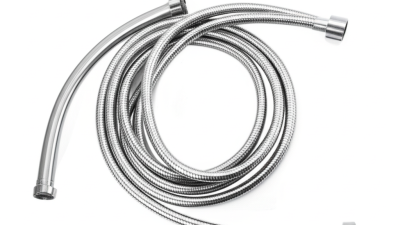
Another type is the handheld bathtub adapter, which has gained significant popularity due to its convenience. These adapters often come equipped with a flexible hose, enabling users to direct water flow with ease. Reports indicate that around 30% of bathroom renovations now incorporate handheld adapters, primarily because they enhance accessibility for individuals with mobility challenges. Moreover, these designs often include features like anti-scald technology, contributing to user safety and comfort.
Lastly, there are specialty adapters designed for specific configurations, such as those for whirlpool bathtubs or spa baths. These adapters are engineered to work with unique plumbing systems, emphasizing the importance of compatibility in selection. As per industry projections, the demand for specialty bathtub adapters is forecasted to grow by 15% in the coming years, reflecting a trend towards personalized and sophisticated bathroom experiences. This shift underscores the need for homeowners to assess their individual needs carefully when choosing the best bathtub adapter for their bathrooms.
Installation Process for Bathtub Adapters
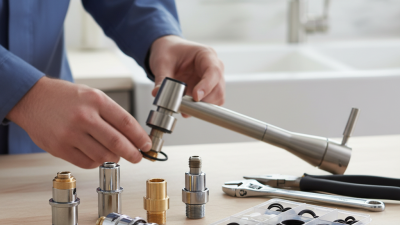
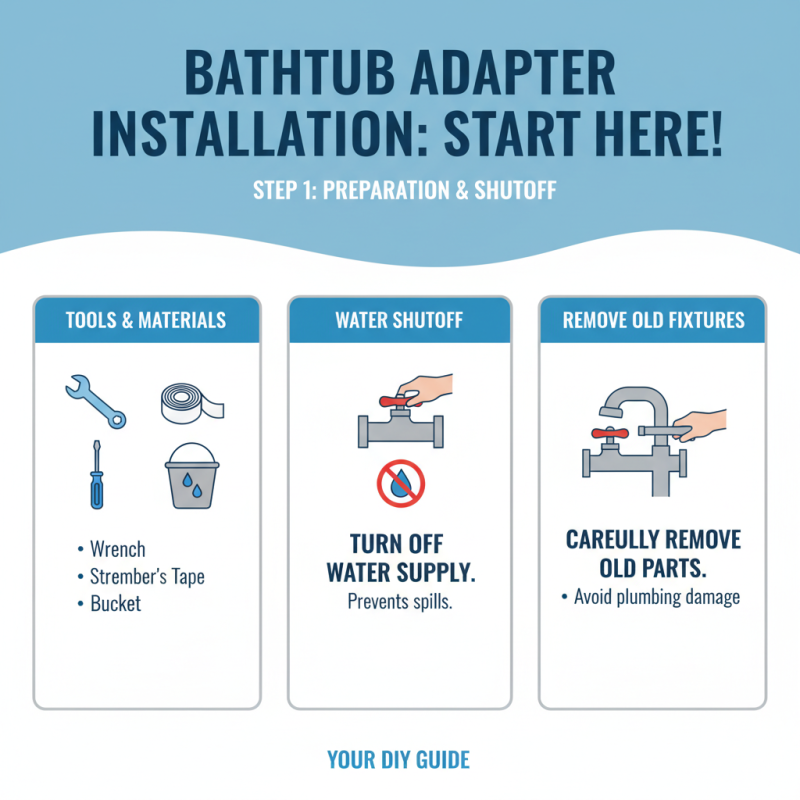
When installing a bathtub adapter, the first step is to ensure you have all the necessary tools and materials ready. Typically, you will need a wrench, screwdriver, plumber's tape, and a bucket to catch any water. Start by turning off the water supply to avoid any unnecessary spills during the process. Carefully remove the existing fixtures from the bathtub, taking care not to damage the plumbing in the process.
Once the old fixtures are removed, you can begin attaching the bathtub adapter. Use plumber's tape to seal any threaded connections, ensuring a tight fit. Position the adapter according to the manufacturer’s instructions, aligning it correctly with your existing plumbing. After securing the adapter in place, reattach the fixtures and turn the water supply back on. Check for leaks and make any necessary adjustments to ensure everything is working smoothly.
**Tips:** Before starting your installation, measure the diameter of your plumbing to choose an adapter that fits perfectly. Additionally, consult the manufacturer’s guidelines for specific installation instructions, as some adapters may vary in procedure. Lastly, don’t rush the installation; taking your time can prevent potential leaks and ensures a secure fit.
Maintenance Tips for Ensuring Adapter Longevity
Maintaining the longevity of your bathtub adapter is crucial to ensure that it continues to function effectively while preventing potential leaks or damages. Regular inspections are essential; look for any signs of wear, such as cracks or corrosion. Often, exposure to moisture can cause deterioration. Ensure that the area around the adapter is kept dry, and clean it regularly to prevent soap scum and mineral buildup. Use mild cleaning agents and soft cloths to avoid scratching or damaging the surface.
Proper installation is another key factor in ensuring the adapter’s lifespan. Make sure it is securely fitted and that all connections are snug. Loose fittings can lead to leaks, which not only affect the adapter but can also cause water damage to your bathroom. If you notice any abnormal sounds, such as dripping or hissing, address them immediately. Additionally, consider periodically lubricating the threads of the adapter with plumber’s grease to facilitate smooth operation and maintain a tight seal. By staying vigilant and performing these simple maintenance tasks, you can significantly extend the life of your bathtub adapter.
How to Choose the Best Bathtub Adapter for Your Bathroom Needs - Maintenance Tips for Ensuring Adapter Longevity
| Adapter Type |
Material |
Compatibility |
Maintenance Tips |
Lifespan |
| Standard Bathtub Adapter |
PVC |
Most standard bathtubs |
Clean monthly with a mild cleaner |
5-7 years |
| Adjustable Bathtub Adapter |
Metal |
Custom fit for various tubs |
Lubricate seals regularly |
7-10 years |
| Eco-friendly Bath Adapter |
Recycled materials |
Sustainable designs |
Avoid abrasive cleaners |
3-5 years |
| Luxury Bathtub Adapter |
Brass |
High-end bathtubs |
Polish regularly |
10-15 years |
Common Mistakes to Avoid When Choosing a Bathtub Adapter
When selecting a bathtub adapter, many homeowners make common mistakes that can lead to dissatisfaction and additional costs. One prevalent error is not measuring the existing bathtub fixtures correctly. It’s crucial to ensure that the adapter fits the spout and drain types in your bathroom. Improper measurements can result in leaks or incompatibility, making the installation process far more challenging than it needs to be.
Another mistake often made is neglecting to consider the material and durability of the adapter. Some cheaper options may seem appealing at first but can wear out quickly, leading to frequent replacements. It’s important to choose a material that can withstand moisture and potential chemical exposure from cleaning products. Additionally, overlooking the adapter's ease of installation can create unnecessary frustration; make sure to select a design that is user-friendly and aligns with your DIY capabilities or willingness to hire professional help.
Bathtub Adapter Selection Guide
This chart illustrates the important factors to consider when choosing a bathtub adapter. The importance level is rated on a scale from 1 to 10, with 10 being the most significant. Key considerations include material quality, compatibility with current fixtures, ease of installation, price, and warranty offered by the manufacturer.