How to Choose the Best Shower Hose for Your Bathroom Needs
When it comes to renovating or upgrading a bathroom, the selection of a shower hose is often overlooked, yet it plays a vital role in enhancing both functionality and comfort during showering. According to a study conducted by the Home Improvement Research Institute, upgrading bathroom fixtures can yield a return on investment of up to 20%, making it essential to make informed choices regarding components such as the shower hose. This seemingly simple item can greatly affect water pressure, control, and overall user experience, thus highlighting the importance of selecting the best option for your specific needs.
With the diverse range of shower hoses available in the market today, each with varying materials, lengths, and features, choosing the right shower hose requires careful consideration of various factors. The Plumbing Manufacturers International (PMI) reports that an increasing number of homeowners are prioritizing high-quality materials that ensure durability while providing eco-friendly options for water conservation. Moreover, understanding the compatibility of the shower hose with existing fixtures is essential for efficient installation and maintenance, ensuring a seamless integration into your bathroom’s design. By taking these factors into account, you can enhance your bathing experience while also ensuring that you are making a wise investment for your home.

Factors to Consider When Choosing a Shower Hose Length
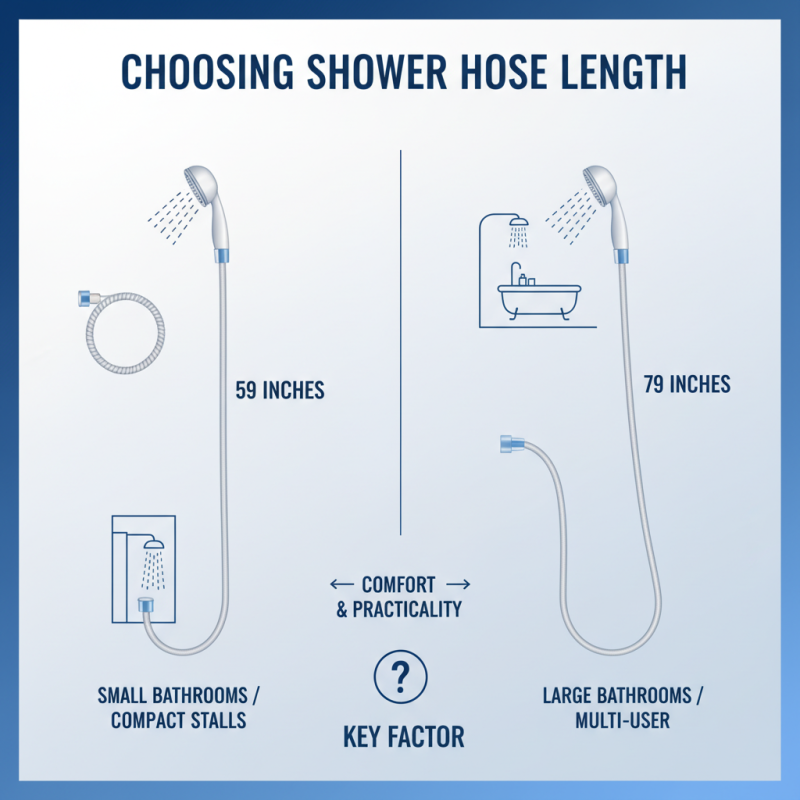
When choosing a shower hose, one of the most critical factors is its length. The right length ensures not only comfort while bathing but also the practicality of use. Generally, shower hoses range from 59 inches to 79 inches in length. For smaller bathrooms or compact shower stalls, a shorter hose may be sufficient, providing a neat and tidy appearance. However, larger spaces or multi-user households may benefit from a longer hose, allowing for better maneuverability and accessibility.
**Tips:** When determining the ideal length, consider the height of the primary users. If the hose is too short, it can limit movement and create discomfort, while an excessively long hose may lead to tangling and hazards. Always take note of the configuration of your bathroom—think about the positioning of the showerhead and any fixtures around it.
Additionally, consider the intended usage of the shower hose. If you frequently use it for tasks like rinsing off after workouts or washing pets, a longer hose may be more appropriate. Conversely, for just standard showering, a standard length should suffice. Remember to measure your existing setup before purchasing a new shower hose to ensure that it fits your space and needs perfectly.
Material Options: Hose Durability and Performance in Different Environments
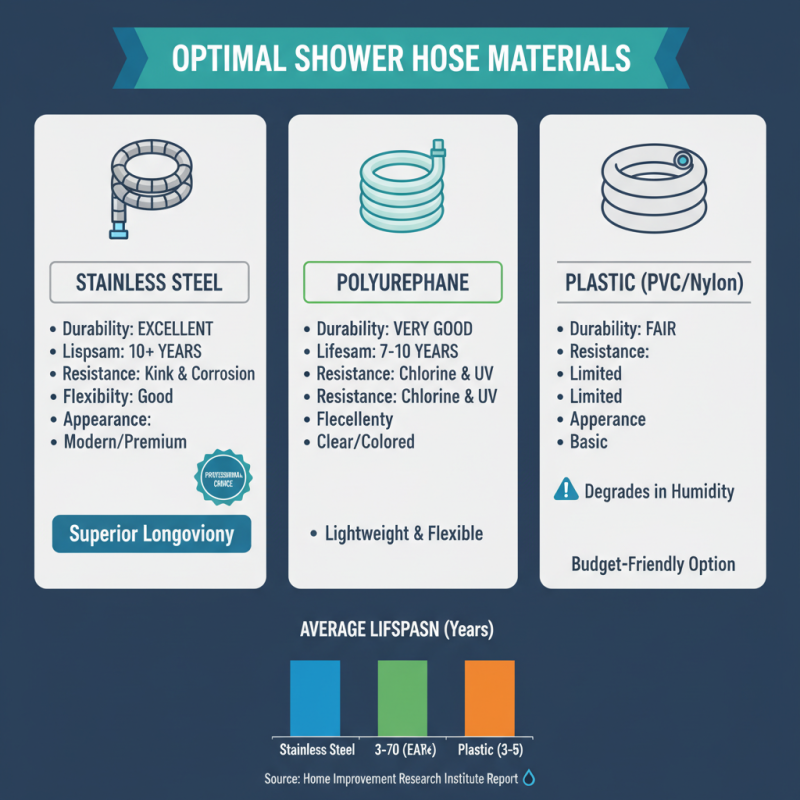
When selecting the optimal shower hose for your bathroom, understanding material options is crucial for achieving durability and performance. Most shower hoses are constructed from materials like stainless steel, plastic, and polyurethane, each offering unique advantages. According to a report by the Home Improvement Research Institute, stainless steel hoses demonstrate superior longevity, often lasting up to 10 years under normal usage conditions, while plastic hoses may degrade in just 3-5 years, particularly in humid environments.
Furthermore, the performance of these materials varies under different conditions. In high-humidity areas, such as bathrooms, stainless steel hoses are less susceptible to mold and mildew compared to their plastic counterparts, which can trap moisture and lead to bacterial growth. The American Society for Testing and Materials (ASTM) indicates that stainless steel has a higher resistance to corrosion and is better suited for varying water temperatures, making it a preferred choice for households that prioritize hygiene and safety. Meanwhile, polyurethane hoses, although lightweight and flexible, may not withstand extreme temperatures as effectively as stainless steel, thus impacting their overall reliability and user satisfaction over time.
Understanding Connection Standards: Compatibility with Showerheads and Faucets
When selecting a shower hose for your bathroom, understanding connection standards is crucial to ensure compatibility with your existing showerheads and faucets. According to industry reports, over 70% of shower installations in residential settings utilize a standard 1/2-inch NPT (National Pipe Thread) connection. This commonality means that most hoses available on the market are designed to fit seamlessly with a majority of shower fixtures. However, it is vital to verify the connection type of your specific showerhead and faucet, as variations do exist, particularly in older homes or specialized installations.
In addition to thread size, the material and flexibility of the hose can significantly influence compatibility. Many shower hoses come in various materials like stainless steel, PVC, and reinforced rubber, each offering different benefits in terms of durability and flexibility. A recent survey indicated that approximately 60% of homeowners prefer stainless steel hoses for their resistance to kinks and long-lasting performance. Ensure that the chosen hose not only matches the connection size but also complements your faucet's functionality, such as maintaining water pressure and preventing leaks. By prioritizing these compatibility factors, you can enhance your shower experience while avoiding potential installation headaches.
How to Choose the Best Shower Hose for Your Bathroom Needs
| Hose Length |
Material |
Connection Standard |
Flexibility |
Price Range |
| 59 inches |
Stainless Steel |
1/2 inch NPT |
High |
$15 - $25 |
| 72 inches |
Plastic |
1/2 inch NPT |
Medium |
$10 - $20 |
| 80 inches |
Reinforced Rubber |
1/2 inch NPT |
Very High |
$20 - $35 |
| 100 inches |
Braided Nylon |
1/2 inch NPT |
High |
$25 - $45 |
| Flexible 60-76 inches |
Silicone |
1/2 inch NPT |
Very High |
$15 - $30 |
Evaluating Flexibility and Kink Resistance for Optimal Use
When selecting a shower hose, flexibility and kink resistance are two critical factors that significantly impact usability and comfort. A flexible shower hose allows for a wide range of movement, making it easier to adjust the shower head to various positions without straining. This is particularly beneficial in smaller bathrooms where space is limited, as it enables a more versatile and enjoyable showering experience. Look for hoses made from materials that exhibit high flexibility, such as reinforced vinyl or flexible metals, which enhance maneuverability without compromising durability.
Kink resistance is equally important when choosing the right shower hose. Hoses that tend to kink can disrupt water flow and create frustrating moments during use. A kinked hose not only affects the pressure of the water but can also lead to wear and tear over time. To avoid this, seek hoses with anti-kink designs, which often feature a smooth, spiral or flat construction that minimizes the likelihood of tangling. Additionally, hoses with a longer length and a lightweight structure tend to resist kinking more effectively, providing both ease of use and longevity in your bathroom setup.
Maintenance Tips for Prolonging the Life of Your Shower Hose
When it comes to maintaining your shower hose, proper care is essential for ensuring its longevity and efficient performance. Research shows that around 30% of homeowners experience issues such as leaks or kinks in their shower hoses within the first few years of use. Regular maintenance can help prevent these problems, extending the average lifespan of a shower hose from 5 years to over a decade. Simple actions, like regularly checking for signs of wear and tear, tightening loose connections, and avoiding excessive twisting or pulling, can significantly enhance the durability of your shower hose.
Additionally, keeping the shower hose clean is equally important. Mineral buildup from hard water can compromise its flexibility and lead to clogs. A recent survey in the plumbing industry found that over 40% of homeowners neglect regular cleaning of their shower components. Utilizing a vinegar solution or a specialized descaling agent can effectively remove deposits without damaging the hose material. By addressing these maintenance tips, homeowners can not only prolong the life of their shower hoses but also ensure a more enjoyable bathing experience. Regular upkeep efforts will reflect positively in the overall efficiency and functionality of your bathroom.