How to Choose the Best Handheld Shower Holder for Your Needs?
Choosing the right handheld shower holder can significantly enhance your bathing experience. According to industry research, over 70% of consumers value adjustable holders for ease of use and comfort. A well-designed handheld shower holder not only provides convenience but also ensures better water flow and control.
Many factors come into play, such as material, design, and installation options. For instance, holders made from durable materials like stainless steel tend to have longer lifespans. While it's easy to overlook these features, they can greatly affect overall satisfaction. Reports indicate that ergonomic designs reduce strain during use, catering to various heights and preferences.
While numerous options exist, finding the perfect handheld shower holder requires careful consideration of your specific needs. This could involve assessing your shower space, aesthetic preferences, and usage habits. Not all holders are created equal, and a mismatch may lead to frustration. In the end, emphasizing the balance between functionality and style may lead to a more fulfilling showering experience.

Understanding the Different Types of Handheld Shower Holders
When selecting a handheld shower holder, understanding the different types is essential. There are several options, each offering unique features.
Wall-mounted holders are popular for their stability. They fit snugly against the wall, providing reliable support while showering.
These holders often come in adjustable designs, allowing users to customize the height according to their needs.
Another common type is the handheld shower caddy. This option provides flexibility. Users can reposition it easily, which is great for shared bathrooms.
Some may find that these caddies lack stability, leading to the shower head slipping occasionally. Consider the suction cup holders as well.
They are easy to install and do not require drilling. However, their holding power may weaken over time, especially in a humid environment.
The choice between these types depends on individual needs and bathroom layout. Think about your showering habits. A wall-mounted holder might be perfect for a daily routine,
while a caddy could suit more casual use. Reflect on the practicality and style of each holder as well. The ideal solution should balance functionality
and aesthetics, creating a pleasant showering experience.
Factors to Consider When Choosing a Handheld Shower Holder
When selecting a handheld shower holder, several key factors warrant careful consideration. Durability tops the list. According to industry reports, nearly 30% of users experience issues with holders failing quickly. This can lead to frustration during daily routines. Materials like stainless steel and high-quality plastic tend to offer better longevity.
Adjustability is another important aspect. Many users prefer holders that can pivot or slide. A study indicated that approximately 65% of people find adjustable holders improve their shower experience. It allows for personalized settings, catering to different heights and user preferences. Furthermore, installation ease can’t be overlooked. A complicated setup may result in improper use. Around 25% of consumers reported difficulty with assembly, emphasizing a need for straightforward instructions.
Lastly, consider the aesthetic appeal. The right holder should complement your bathroom’s style. As style preferences can vary widely, this is often subjective. There is room for improvement in finding the perfect balance between utility and design. Users should explore different options to discover what truly fits their needs and space restrictions. While functionality is key, the visual element also plays a significant role in overall satisfaction.
Materials and Durability: What to Look For
When selecting a handheld shower holder, the materials and durability play a crucial role in the decision-making process. Many consumers overlook the fact that not all materials are created equal. A 2022 report from the National Association of Home Builders indicated that over 40% of homeowners prefer metal holders for their robustness. Metals, such as stainless steel, resist corrosion and wear better than plastic alternatives.
Plastic holders may appear more affordable, but their longevity can be concerning. Industry studies suggest that plastic shower holders typically last only a few years, while metal can endure for a decade or more when properly maintained. Observing the tensile strength of materials helps in predicting durability. In particular, ABS plastic may seem appealing, but it can crack under high temperatures.
The finish of metal holders can also influence their performance. A high-quality chrome or brushed nickel can prevent tarnishing. However, not all finishes are equal. Subpar coatings can chip and flake, compromising aesthetics and functionality. Even in metal holders, quality control varies vastly among manufacturers, leading to unexpected failures. Therefore, diligent research and analysis can help you make a more informed decision.
Installation Methods: Ease and Compatibility
Choosing the right handheld shower holder involves considering installation methods that suit your bathroom design and plumbing setup. Many homeowners face compatibility issues due to varied showerhead styles. According to a recent industry report, about 40% of shower holders fail to fit standard fixtures without modifications. This highlights the importance of thoroughly checking measurements before making a purchase.
Plastic and metal materials are common for shower holders, but ease of installation varies. Wall-mounted holders generally require drilling, which might deter some users. Alternatively, adhesive options offer a quick fix but may not hold up under heavy use. A survey showed that almost 30% of consumers prefer adhesive types for rental properties, citing their non-invasive nature.
Tips: Always read reviews from previous buyers. They often highlight common installation challenges. If you are unsure about compatibility, consider options with adjustable brackets. A customizable holder can adapt to different showerheads, minimizing future hassles. Seek advice from home improvement experts for better choices that meet both aesthetic and functional needs.
How to Choose the Best Handheld Shower Holder for Your Needs? - Installation Methods: Ease and Compatibility
| Holder Type |
Installation Method |
Ease of Installation |
Material |
Compatibility |
| Wall Mounted |
Screw Installation |
Moderate |
Plastic / Metal |
Universal |
| Adjustable |
Clamp Installation |
Easy |
Aluminum |
Most Shower Heads |
| Handheld Slider |
Slide Installation |
Moderate |
Plastic |
Standard Sizes |
| Telescopic |
Extendable Pole |
Very Easy |
Stainless Steel |
Various Shower Heads |
Adjustability and Functionality: Enhancing Your Shower Experience
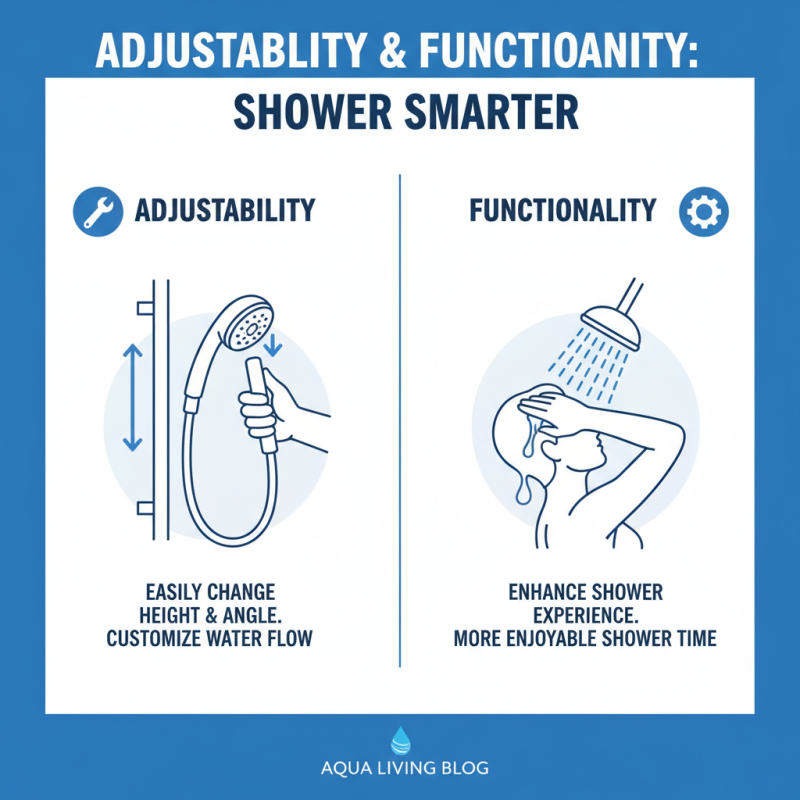
When choosing a handheld shower holder, focus on adjustability and functionality. These features can greatly enhance your shower experience. A holder that allows you to easily change the height or angle is vital. It enables you to customize the water flow to your liking, making your shower time more enjoyable.
Tips: Always test the grip of the holder. It should hold your showerhead securely, avoiding slips that can lead to frustration. Consider materials that resist rust and wear over time. This aspect ensures durability and long-lasting use.
A flexible shower holder can accommodate various heights in your household. This advantage is crucial if multiple people use the shower. An adjustable design enhances comfort for everyone involved. Keep an eye out for easy installation options. Complicated setups can lead to unnecessary stress when updating or replacing fixtures.
Tips: Think about your daily routine. If you often shower while washing your hair, a stable holder is essential. It should allow free movement with the showerhead. Additionally, ensure the product is compatible with your shower setup to avoid disappointments.