How to Choose the Best Stainless Steel Shower Head Hose?
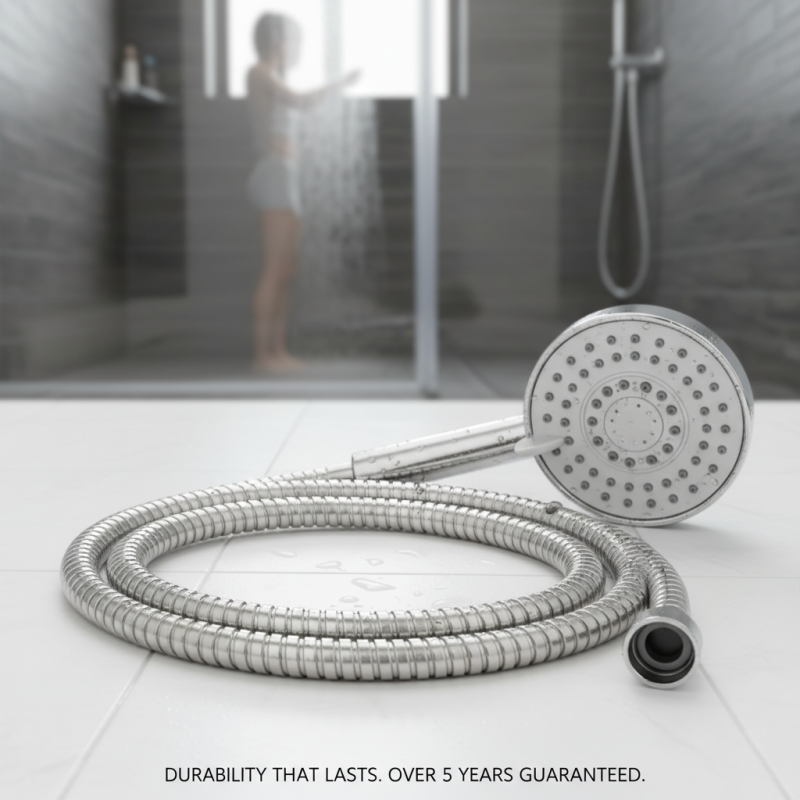
Choosing the best Stainless Steel Shower Head Hose is crucial for a satisfying shower experience. A good quality hose enhances functionality while ensuring durability. Industry studies show that stainless steel hoses outperform plastic ones by lasting up to five times longer. They resist rust and corrosion, making them ideal for humid environments.
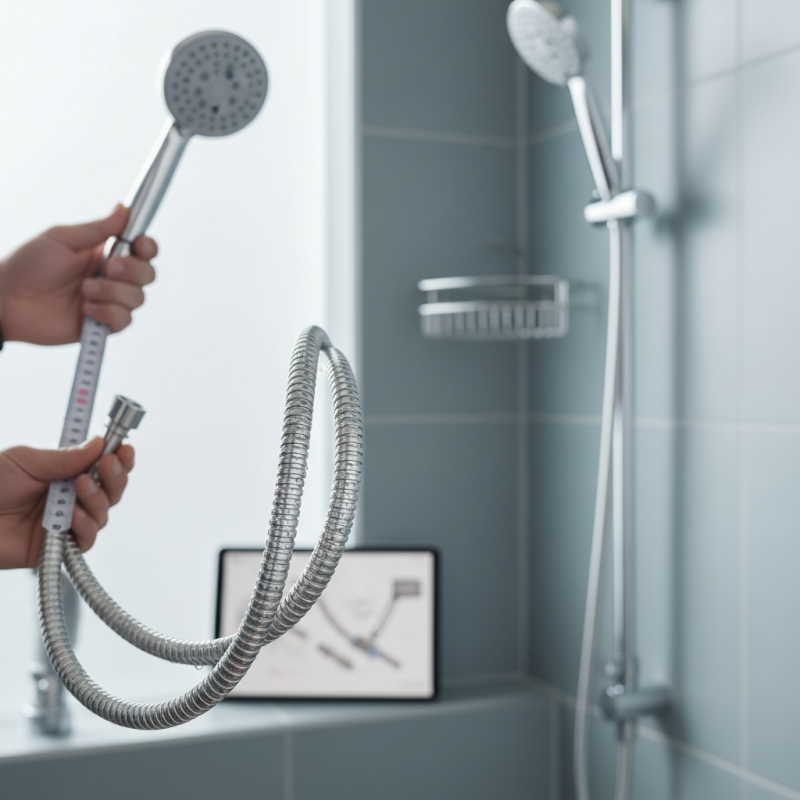
Many consumers, however, overlook compatibility with their existing fixtures. The right length and connector type are often critical considerations. Reports indicate that improper sizing accounts for 30% of buyer dissatisfaction. It is essential to measure your existing setup and select a hose that fits seamlessly.
Additionally, some users may find themselves caught in the trap of overly complicated installations. A simple installation process can save time and frustration. Choosing a Stainless Steel Shower Head Hose may seem straightforward, but the nuances can often lead to reflection on personal preferences and needs. Prioritize quality, fit, and ease of use for an optimal showering experience.
Understanding the Benefits of Stainless Steel Shower Head Hoses
When it comes to shower head hoses, stainless steel offers numerous benefits. This durable material resists corrosion and wear. Unlike plastic, stainless steel can withstand high water pressures. It maintains its aesthetic appeal over time, keeping your bathroom looking sleek and modern. Additionally, it is easier to clean, preventing the buildup of bacteria in the bathroom.
**Tips:** Choose a flexible hose to improve movement during your shower. Always check for kinks, as they can impede water flow. Consider the length of the hose; longer options offer more freedom but can be harder to manage.
While stainless steel hoses are sturdy, they can be heavy. This weight might overwhelm some users. Installation could be tricky, especially for those unfamiliar with plumbing. Consider reading the instructions carefully or seeking help if needed. It's also important to regularly inspect the hose for wear signs, ensuring it operates safely.
Key Features to Consider When Selecting a Shower Head Hose
When choosing a stainless steel shower head hose, several key features should guide your decision. Consider the length. Different lengths can impact your showering experience. A shorter hose may restrict mobility, while a longer hose offers flexibility. Aim for a length that suits your shower space and your personal needs.
The durability of the material is crucial. Stainless steel is resistant to corrosion and daily wear. However, not all stainless steel is created equal. Look for a hose with a solid construction. A weak hose may kink or break easily. A sturdy hose can last years with proper care.
Another aspect to consider is the hose's connectors. Ensure they fit your existing fixtures well. Poorly fitting connectors can lead to leaks. A good seal is essential for both performance and water efficiency. Check customer reviews for real-life experiences. Small details matter in the long run. Each choice can significantly impact the overall experience. Taking the time to reflect on these features will lead to a more satisfying shower.
Comparison of Key Features in Stainless Steel Shower Head Hoses
Comparing Different Types of Stainless Steel Shower Head Hoses
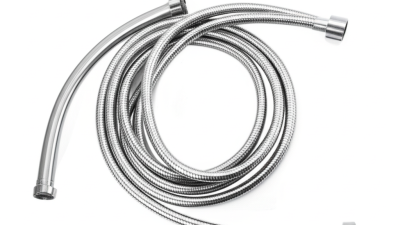
When comparing different types of stainless steel shower head hoses, it’s crucial to consider their construction and design. Some hoses have a smooth surface, while others feature a braided style. Smooth hoses are easy to clean but can kink easily. Braided hoses offer more durability and flexibility but might be harder to maintain. Think about which features matter most for your bathroom setup.
Choosing a shower head hose also involves considering the length. Hoses typically range from 5 to 8 feet. A longer hose can offer more reach, which is great for flexibility. However, it could lead to tangling issues. A shorter hose provides less movement but is often easier to manage. Assess your shower space before making a decision.
Tips: When shopping, check for user reviews on flexibility. Often, a highly flexible hose can ease your showering experience. Also, look for warranty information. A good warranty indicates confidence in the product’s quality. Remember to factor in your personal style. The aesthetic of the hose should complement your bathroom decor.
Maintenance Tips for Ensuring Longevity of Your Shower Head Hose
Maintaining your stainless steel shower head hose is essential for its longevity. Regular cleaning helps prevent mineral buildup. Use a vinegar and water solution to scrub away any grime. Rinse thoroughly afterward. A dirty hose can lead to poor water flow and unsightly stains.
Inspect the hose for wear and tear. Look for cracks or leaks, as these can worsen over time. Replace any damaged parts promptly to avoid further issues. Proper connections are also important. Ensure they are tightened but not overtightened. This can prevent unnecessary stress on the hose.
Consider the overall water quality in your area. Hard water can lead to faster deterioration. If your water is particularly hard, consider installing a filter. This may prolong the life of your shower head hose. Remember, neglecting these simple tasks can lead to early replacements. Reinforcing good habits is key to enjoying a functional shower for years.
How to Choose the Best Stainless Steel Shower Head Hose? - Maintenance Tips for Ensuring Longevity of Your Shower Head Hose
| Aspect |
Details |
| Material Quality |
Ensure the hose is made from high-quality stainless steel to resist corrosion and rust. |
| Length |
Choose a length that provides flexibility and reach without being excessively long. |
| Connector Type |
Look for hoses with standard connectors compatible with most shower heads and water supply systems. |
| Flexibility |
Select a hose that is flexible enough for easy maneuverability without kinking. |
| Warranty |
Opt for products that come with a warranty to ensure quality and customer satisfaction. |
| Maintenance Tips |
Regularly clean the hose with mild soap and water to prevent mineral buildup and extend lifespan. |
Popular Brands and Models of Stainless Steel Shower Head Hoses
Choosing the best stainless steel shower head hose involves considering various popular brands and models. Many consumers appreciate the durability of stainless steel. Reports indicate that a well-constructed hose can last more than five years without leaking. However, not all hoses meet this standard. Some may wear out sooner, leading to unwanted water wastage.
Key features to look for include length and flexibility. A typical stainless steel hose ranges from 59 to 78 inches, accommodating various shower setups. Flexibility is also essential. A hose that kinks easily can be frustrating during use. According to industry data, hoses with a 360-degree swivel can enhance user experience. But, they tend to cost more.
When researching models, read customer reviews carefully. Some models may have great initial appeal but could falter in performance over time. A mix of positive and negative feedback often reveals hidden issues. Furthermore, consider the fittings. Durable fittings can prevent leaks, but many lower-cost models may not meet this requirement. Be cautious and reflect on your needs before making a decision.