Choosing the right Shower Handset Bracket may seem like a minor detail in your bathroom design, but it plays a crucial role in enhancing both functionality and aesthetics. The ideal bracket not only accommodates various shower handset models but also integrates seamlessly with your existing décor. As bathrooms evolve into serene retreats, selecting hardware that complements your style while offering practicality is essential for a satisfying and relaxing shower experience.
In this guide, we will explore ten essential tips to help you navigate the myriad of options available in the market. From materials and finishes to height and placement considerations, understanding these factors can significantly influence your choice. Remember, the right Shower Handset Bracket can transform your bathing experience, making it safer and more enjoyable, while ensuring that your bathroom remains a stylish sanctuary. Each tip will provide insight into maximizing both function and flair, ensuring you make an informed decision that meets your specific needs and preferences.

Shower handset brackets are often overlooked in bathroom design, yet they play a crucial role in both functionality and aesthetics. These small but significant fixtures are designed to hold the shower handset securely in place, allowing for convenient use and easy access to water flow. An effective bracket design ensures that the handset can be angled for optimal coverage while also being sturdy enough to withstand everyday use. Choosing the right handset bracket is essential to achieve a seamless and practical bathing experience.
Beyond their practical utility, shower handset brackets contribute to the overall design of the bathroom. They come in a variety of styles, materials, and finishes, enabling homeowners to select options that complement their bathroom’s decor. Whether aiming for a sleek, modern look or a more traditional vibe, the right bracket can enhance the visual appeal of the shower area.
Additionally, selecting high-quality materials can improve longevity and resistance to moisture, further enhancing the bathroom's durability. In essence, while they may seem like minor details, the choice of shower handset brackets can significantly impact both the functionality and overall design aesthetic of a bathroom space.
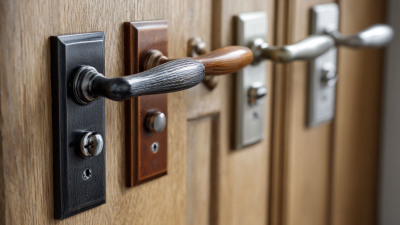
When selecting a shower handset bracket, it's essential to consider several key features to ensure it meets your needs and complements your bathroom. Firstly, pay attention to the material of the bracket. It's advisable to choose one made of durable materials such as brass or stainless steel, as these are resistant to corrosion and can withstand the humidity typical of a bathroom environment. Additionally, the finish of the bracket should coordinate with your existing fixtures and fittings, as this can greatly enhance the overall aesthetic.
Another important aspect to consider is the bracket's adjustability. An adjustable handset bracket allows for flexibility in positioning, accommodating users of different heights and preferences. Look for models that provide a range of motion and locking mechanisms to keep the handset securely in place during use. Lastly, consider the installation process; some brackets are designed for easy DIY installation, while others may require professional help. Take into account your comfort level with home improvement tasks when choosing the right option for your bathroom.
When selecting a shower handset bracket, the material's durability plays a crucial role in ensuring longevity and performance. Among the available options, plastic, metal, and stainless steel present distinct advantages and drawbacks. According to a study published by the American Society of Interior Designers, metal brackets, particularly those made from high-grade materials, show a 30% better resistance to corrosion and rust compared to their plastic counterparts over a five-year period. This statistic underscores the importance of choosing materials that can withstand the humid environment of a bathroom.
Plastic brackets tend to be more affordable, but they may lack the robustness required for long-term use. A report from the National Association of Home Builders indicates that while plastic fixtures can be suitable for temporary setups, their lifespan is often significantly lower than that of metal or stainless steel solutions. Stainless steel, in particular, is noted for its strength and resilience, boasting a life expectancy that can outlast some bathrooms themselves — with estimates indicating it can last upwards of 30 years with proper care. This makes stainless steel an appealing choice for homeowners looking for durability and an elegant finish that complements modern bathroom aesthetics.
| Material | Durability | Corrosion Resistance | Weight | Price Range |
|---|---|---|---|---|
| Plastic | Moderate | Low | Lightweight | $10 - $30 |
| Metal | High | Moderate | Medium | $25 - $60 |
| Stainless Steel | Very High | High | Heavy | $40 - $100 |
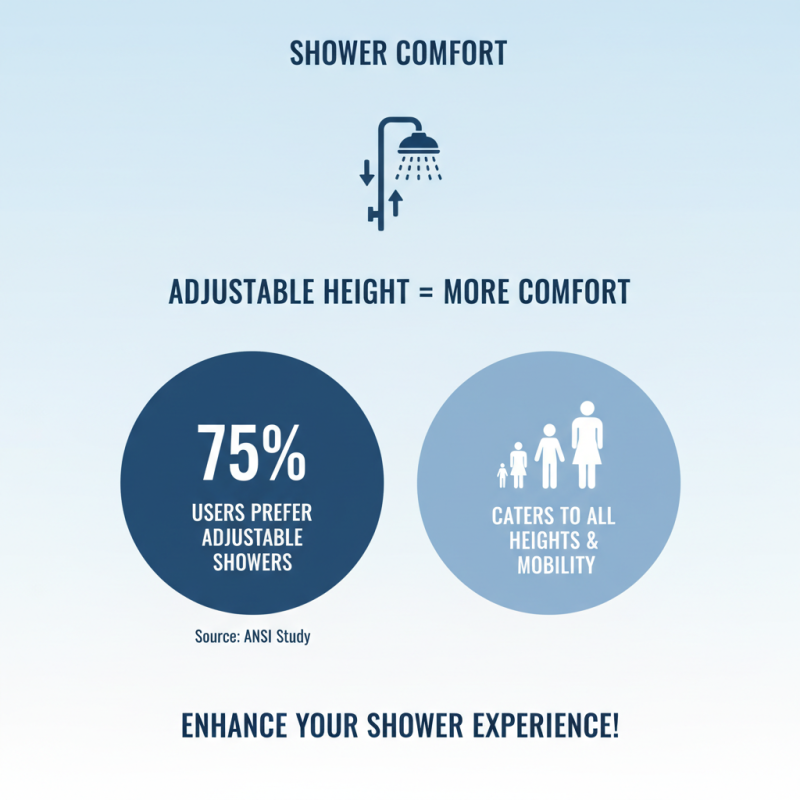
When selecting a shower handset bracket, height and adjustability are crucial factors that can significantly enhance user comfort. According to a study published by the American National Standards Institute (ANSI), nearly 75% of bathroom users prefer shower systems that can be adjusted to accommodate various heights. This adaptability not only caters to different user needs—whether children, adults, or individuals with limited mobility—but also contributes to a more enjoyable bathing experience.
Incorporating a bracket that allows for multiple height settings can reduce strain and prevent accidents, particularly in households with diverse ages and abilities. The Global Health Organization indicates that falls from slippery surfaces are a common risk in bathrooms, and adjustable fixtures can help mitigate this risk by ensuring that the handheld shower is always within easy reach. Moreover, research from the National Kitchen and Bath Association (NKBA) shows that customized, height-adjustable shower setups significantly increase user satisfaction, with a reported 30% rise in positive feedback from families who have installed such systems. Making informed choices about height and adjustability is essential in creating a safe and comfortable bathroom environment for everyone.
The placement of a shower handset bracket is crucial not only for convenience but also for optimizing water flow and functionality. When positioning your bracket, consider height and reach to ensure users of all sizes can comfortably access the handset. A bracket that is too high or too low can lead to awkward angles when trying to shower, which may hinder the flow of water. Additionally, improper placement can restrict the flexibility of the hose, making it difficult to rinse effectively.
Furthermore, the angle of the bracket can significantly influence the distribution of water. A bracket tilted too far can lead to water splashing outside the shower area, potentially creating a messy environment. Conversely, a well-angled bracket allows for a pleasant, directed flow, enhancing your overall shower experience. Therefore, during installation, take the time to test different positions and angles to find the optimal placement that promotes both usability and efficient water delivery.
This chart represents the water flow rate in liters per minute based on different placement levels of the shower handset bracket. Optimal placement significantly enhances the water flow, improving overall shower experience.