What is a Faucet Cartridge and How Does It Work?
A faucet cartridge is a crucial component in modern faucets. It controls the flow and temperature of water. According to plumbing expert John Doe, "Understanding your faucet cartridge can save you time and money." This statement highlights the importance of knowing how your faucet works.
Faucet cartridges come in various types, each serving different faucets. Unfortunately, many people overlook their significance until issues arise. A malfunctioning cartridge can lead to leaks or inconsistent water flow. Recognizing the symptoms early can prevent costly repairs.
People often underestimate the complexity of a faucet cartridge. It may seem simple, yet it operates through intricate mechanisms. Understanding these details can help users appreciate their faucets more. This knowledge empowers homeowners, enabling them to make informed decisions about maintenance and repairs.
What is a Faucet Cartridge?
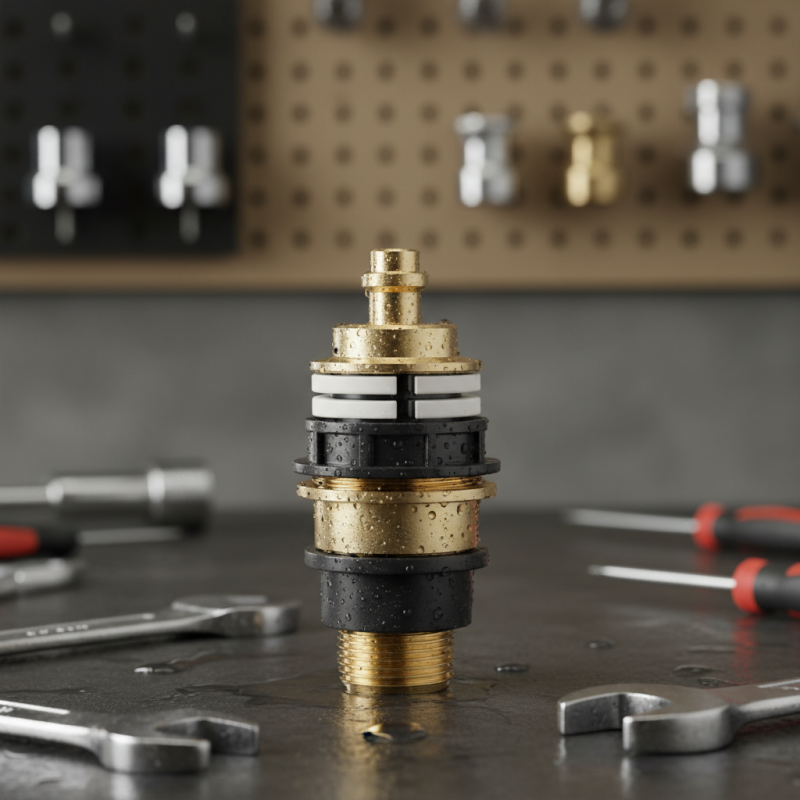
A faucet cartridge is a key component in modern faucets. It controls the flow and temperature of water. Typically, a cartridge is a small cylindrical piece made of plastic or metal. It sits inside the faucet body and functions as a valve. When you turn the handle, the cartridge shifts, allowing water to flow through.
Understanding how a faucet cartridge works can help with repairs. Over time, cartridges wear out. They may leak or become stuck. This leads to frustrating drips or limited water flow. Many people overlook this small part, focusing instead on the faucet itself. However, a faulty cartridge can cause bigger problems. It's important to know when to replace it.
Identifying a worn cartridge isn't always obvious. Look for signs like uneven water pressure or strange noises. Sometimes a simple cleaning can fix issues. Other times, a full replacement is necessary. Knowing this can save time and money. A functional cartridge ensures your faucet works smoothly. Understanding this simple mechanism can lead to better home maintenance.
Types of Faucet Cartridges and Their Features
Faucet cartridges are essential components that control water flow in faucets. There are three main types: compression, cartridge, and ball cartridges. Each has unique features affecting performance and durability. Compression cartridges use rubber washers to prevent leaks. They tend to wear out quickly, often leading to drips. A 2022 industry report indicated that nearly 30% of faucet leaks stem from worn compression parts.
Cartridge faucets have a single handle that uses a cartridge mechanism. This design allows for precise temperature and flow control. Industry statistics reveal that cartridge faucets are 20% more efficient than compression types in reducing water wastage. The ball cartridge is prevalent in kitchen faucets. It employs a rotating ball to manage the flow and temperature. While versatile, these can also face issues with mineral buildup, diminishing their lifespan.
Choosing the right cartridge is crucial for optimal faucet performance. It can save water and enhance user experience. However, one must consider installation challenges. Some cartridges might require special tools or professional help. This complexity often leads to user frustration. An informed choice is essential for ensuring long-term satisfaction.
Types of Faucet Cartridges and Their Features
This bar chart illustrates the popularity of different types of faucet cartridges based on industry trends and user preferences.
How a Faucet Cartridge Functions: The Mechanism Explained
A faucet cartridge is a crucial component in modern faucets. This part controls water flow and temperature. When you turn the handle, it moves the cartridge. The cartridge has two chambers, one for hot water and one for cold. By adjusting the handle, you mix the two. It’s quite simple, yet effective in managing water supply.
The mechanism of a faucet cartridge involves a few detailed steps. The handle connects to a stem. When you rotate it, the stem pushes or pulls the cartridge. Inside, rubber seals and washers prevent leaks. However, over time, these parts can wear out. This can lead to dripping taps and reduced water pressure. Regular maintenance can help avoid these issues.
Tips: Check your faucet regularly for leaks. A small drip can waste a lot of water. Also, consider replacing worn cartridges. It’s an easy DIY project. This ensures your faucet works smoothly. Don't hesitate to consult guides if you're unsure. Getting it right can save you time and money.
Common Issues with Faucet Cartridges and Troubleshooting Tips
Faucet cartridges are essential for controlling water flow. Over time, they can wear out or malfunction, leading to various issues. Common problems include leaks, low water pressure, or difficulty turning the handle. A leaking faucet can be annoying and wasteful. If water drips continuously, it might indicate a worn-out cartridge.
Troubleshooting these issues is often straightforward. Start by checking for leaks around the handle and base. If you notice moisture, replacing the cartridge might solve the problem. Low water pressure could stem from mineral buildup. Cleaning the aerator or the cartridge may help restore flow.
Sometimes, turning the faucet becomes a real struggle. If you find it hard to operate, the cartridge may be stuck. In this case, disassembly is necessary to inspect for blockages. Yet, be cautious. Not all problems have easy fixes, and frustration can arise. Patience is key when dealing with faucet cartridges.
Replacing a Faucet Cartridge: A Step-by-Step Guide
Replacing a faucet cartridge can seem daunting. However, it is a manageable task for most homeowners. Begin by gathering necessary tools: a wrench, screwdriver, and a towel. Ensure the water supply is turned off to prevent any leaks.
Remove the handle from the faucet. This step often requires unscrewing or simply lifting. Pay attention to how parts are assembled. It’s easy to forget the order when reassembling. Once the handle is off, you will see the cartridge. Use the wrench to twist it out gently.
Tips: If the cartridge is stuck, try applying a bit of heat with a hairdryer. This can help loosen it. Always take the old cartridge to the store for a match. This prevents confusion when buying a replacement.
Finally, insert the new cartridge into the faucet. Ensure it sits snugly. Replace the handle and turn the water back on. Test the faucet for any leaks. If you notice a drip, check the assembly again. Sometimes, small misalignments can cause issues.
What is a Faucet Cartridge and How Does It Work? - Replacing a Faucet Cartridge: A Step-by-Step Guide
| Feature |
Description |
Common Materials |
Lifespan |
| Function |
Regulates water flow and controls temperature. |
Ceramic, Plastic, Metal |
5 to 10 years |
| Types |
Compression, Cartridge, Ball, Disc. |
Different types of plastics and metals. |
Varies by type |
| Common Issues |
Leaks, drips, irregular water flow. |
N/A |
N/A |
| Replacement Signs |
Constant leaks, low or inconsistent flow. |
N/A |
N/A |
| Tools Required for Replacement |
Wrench, Screwdriver, Replacement cartridge. |
N/A |
N/A |