Handshower Tips for a Better Shower Experience?
A handshower can transform your daily bathing routine. It offers flexibility and comfort that traditional showerheads lack. With the right settings, a handshower enhances your experience and relaxation.
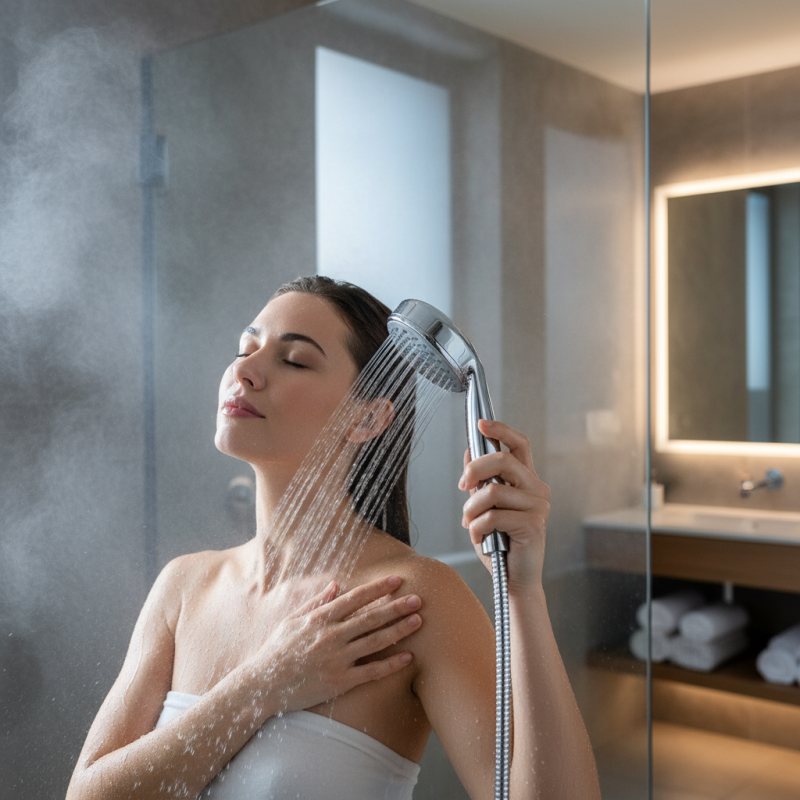
Picture this: you’re standing under warm water, particles of steam filling the air. A handshower allows you to target specific areas. You control where and how the water flows. This simple act can make a huge difference.
Yet, many users overlook some handshower tips. Perhaps you haven’t fully adjusted the water pressure. Or maybe the showerhead height doesn't suit you. Reflecting on these aspects can improve your shower experience. Taking a moment to adjust can turn a regular shower into a soothing escape.
Handshower Features: What to Look for in a Quality Model
When choosing a handshower, several features can enhance your shower experience. Look for models with adjustable spray settings. According to a recent survey by the Shower Heads Institute, 75% of users prefer customizable water flow. This feature allows for a targeted rinse or a soothing rain-like experience.
Another critical aspect is the material. Durable, corrosion-resistant materials not only last longer but also provide better performance. Research shows that stainless steel handshowers generally outperform plastic counterparts. They offer a luxurious feel while ensuring reliable function.
Tips for selecting the right handshower include checking the flow rate. Aim for a model that delivers 2.5 gallons per minute or less. This rate helps save water without sacrificing performance. Also, evaluate the ease of installation. Some models require complex setups. A simpler design can save time and reduce frustration. Make your choice based on comfort and usability, as the shower is an important part of your daily routine.
Handshower Tips for a Better Shower Experience
| Feature |
Description |
Benefits |
| Water Pressure Options |
Choose models with adjustable water pressure settings. |
Personalized shower experience and water conservation. |
| Spray Patterns |
Models with multiple spray patterns such as rain, massage, and mist. |
Versatility for different preferences and situations. |
| Materials |
Look for high-quality materials like stainless steel and chrome plating. |
Durability and resistance to rust and corrosion. |
| Easy Installation |
Models that offer simple, tool-free installation. |
User-friendly setup without the need for professional help. |
| Hose Length |
Consider the length of the hose for reach and flexibility. |
Easier to maneuver and access hard-to-reach areas. |
| Water-Saving Technology |
Showerheads designed to reduce water flow without sacrificing pressure. |
Environmental benefits and lower utility bills. |
Optimal Water Pressure and Flow Rates for Comfortable Showers
Optimal water pressure and flow rates can transform your shower experience. The right pressure gives you a refreshing wash. If it’s too low, you might feel like you are standing under a drizzle. High pressure can be unpleasant, too. It may create turbulence, leading to water splashing everywhere.
Finding the ideal balance is key. Aim for around 2.5 gallons per minute, which works well for most handshowers. This flow rate provides adequate coverage without feeling overwhelming. Installing a flow restrictor can help manage water use. However, be cautious—it can also reduce your shower satisfaction.
Keep in mind, individual preferences vary significantly. Some enjoy a gentle mist, while others prefer a strong massage. Experiment with different settings on your handshower. Adjusting the angle can also make a huge difference. It’s crucial to find your perfect setup, as not all options will meet your needs. Don't be afraid to tweak things until you feel just right under the water.
Effective Installation Tips for Enhanced Handshower Performance
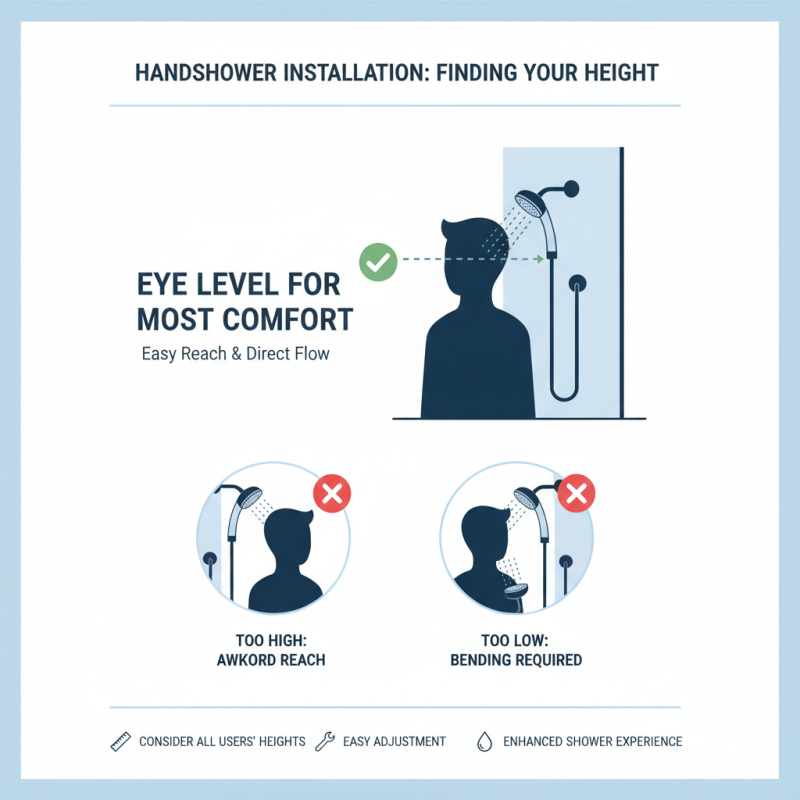
Installing a handshower can elevate your shower experience significantly. The first step is choosing the right height for the mount. Ideally, it should be at eye level when you’re standing. This allows for a comfortable reach and a direct water flow. Remember to consider your own height and the heights of others who will use it. An installation that's too high can lead to awkward positioning.
Next, make sure the water supply line is adequately secured. Leaks can ruin your experience and lead to damage. Using plumber's tape can help. However, over-tightening the connection might cause cracks. It’s a delicate balance. Consider testing the handshower before finalizing the installation. Adjustments might be necessary. You may want to experiment with different angles for the showerhead. This can make a simple shower feel more luxurious.
Don’t forget about the pressure settings. Some prefer a gentle spray, while others want a powerful stream. A flexible hose can offer convenience and versatility. Even with all preparations, small issues may arise after installation. Perhaps the flow isn't as expected, or the angle is off. Don't be disheartened; these are chances to refine and enhance your setup. Each shower should be an improvement over the last.
Maintenance Guidelines to Prolong the Life of Your Handshower
Maintaining your handshower is key to a top-notch shower experience. Regular cleaning can significantly extend its life. A study by the Home Improvement Research Institute shows that neglecting routine maintenance can reduce product lifespan by up to 50%. Simple tasks, like rinsing the showerhead after each use, can prevent mineral buildup. This is especially important in areas with hard water.
Descaling your handshower every few months is crucial. Vinegar can effectively remove limescale. Soak the showerhead in a vinegar solution for an hour. This method avoids harsh chemicals and is eco-friendly. Additionally, check the hose for leaks or cracks. A slight leak can waste up to 20 gallons of water daily, according to the Environmental Protection Agency.
However, even with proper care, users often overlook wear and tear. The rubber washers and gaskets can degrade over time, leading to persistent drips. Replacing these components is simple yet often forgotten. A small investment in repairs can lead to an improved shower experience. Don't let neglect spoil the comfort of your daily routine.
Eco-Friendly Practices: Water-Saving Handshower Options to Consider
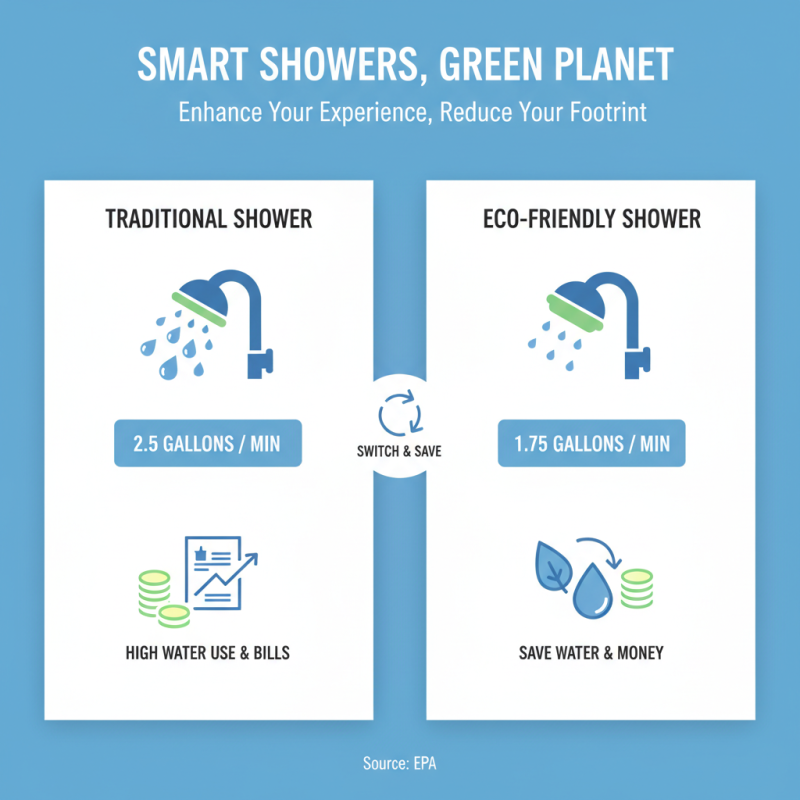
When it comes to enhancing your shower experience, eco-friendly choices can make a significant difference. According to the EPA, the average showerhead uses about 2.5 gallons of water per minute. This can lead to high water bills and excess water usage. Opting for water-saving handshowers can reduce flow rates to 1.75 gallons per minute without sacrificing performance. Imagine enjoying a refreshing shower while knowing you’re conserving water.
Many households overlook the impact of their shower habits. The average person spends over 8 minutes in the shower, which can add up to considerable water usage. By switching to low-flow handshowers, you can cut your water consumption. Some models even come with features that let you pause the flow temporarily, making rinsing just as efficient. These improvements align with insights from the World Health Organization, advocating for sustainable water practices.
Yet, not all eco-friendly handshowers are created equal. Consumers should be cautious about performance claims and consider flow rate carefully. Some may find the pressure isn’t what they expected. Balancing sustainability with comfort can be a challenge. Still, the investment in a water-saving showerhead can pay off both financially and environmentally in the long run.