What is a Single Lever Handle and How Does It Work?
In modern plumbing design, the "Single Lever Handle" stands out for its unique functionality. It consolidates temperature and flow control into one intuitive mechanism. According to plumbing expert John Smith, "The Single Lever Handle revolutionizes how we interact with water, making our lives easier." This design simplifies daily tasks and saves time.
However, with its advantages come challenges. Installation can be tricky for inexperienced users. The mechanism may wear down over time, requiring regular maintenance to ensure smooth operation. Additionally, some users may struggle with adjusting the water temperature. This can lead to frustration in the shower or while washing dishes.
Despite these issues, the appeal of a Single Lever Handle remains strong. It offers a sleek, modern look that fits various styles. The blend of form and function is appealing in any kitchen or bathroom. While it may not be perfect, it brings considerable ease to daily water usage, making it a popular choice among homeowners.
Understanding the Basics of a Single Lever Handle
A single lever handle is a popular choice for faucets and showers. Its design allows for easy control of both water temperature and flow with just one hand. This simplicity is appealing in busy kitchens and bathrooms. Research shows that around 60% of homeowners prefer this type of handle for its convenience.
In a recent report, it was noted that single lever handles can reduce water usage by up to 30% compared to traditional two-handle fixtures. This efficiency is attractive not just for environmental reasons, but also for cost savings on water bills.
However, a drawback exists. Over time, single lever handles may become loose or wear down, leading to leaks. This requires regular maintenance and checks, which some users overlook.
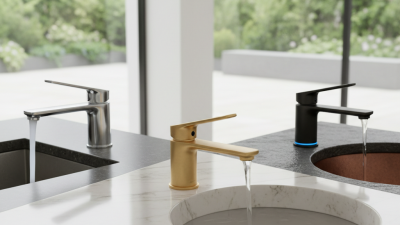
Aesthetic appeal is another aspect of single lever handles. They come in various finishes and designs, matching different interior styles. However, it’s essential to choose quality materials. Some lower-end models can corrode quickly, detracting from their visual appeal. Users often find themselves regretting a hasty decision on a cheaper option. Investing in a good quality handle pays off in longevity and performance.
Components of a Single Lever Handle Explained
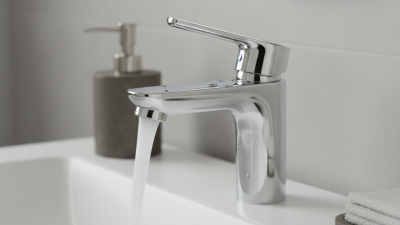
A single lever handle is a popular choice for modern faucets. It blends functionality and style. The simplicity of its design makes operating the faucet easy. Users can control both temperature and flow with one hand. This is handy, especially when your hands are wet or dirty.
The single lever handle consists of several key components. The handle itself is often made of durable material. It pivots on a cartridge, which is critical for smooth operation. Inside the handle, a ball or disc mechanism mixes water efficiently. There are seals and springs as well, which help maintain pressure and prevent leaks. Sometimes, these parts can wear down over time. This may lead to drips or difficulty in turning the handle.
Installation can be straightforward, but issues may arise. Ensuring proper alignment is crucial for optimal function. Misalignment can lead to awkward adjustments and frustration. Regular maintenance is essential to keep the single lever handle working well. Taking time to check for leaks or stiffness will extend its lifespan.
How a Single Lever Handle Controls Water Flow
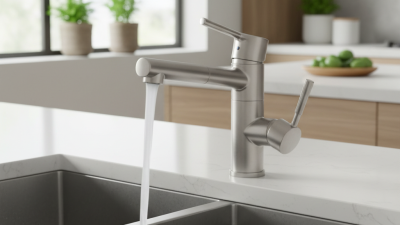
A single lever handle is a simple yet effective device found in many kitchens and bathrooms. Its design allows users to control water flow with just one hand. This feature is particularly useful when your hands are full or dirty. The lever can adjust both the temperature and the water pressure simultaneously.
When you lift the handle, it opens the valve inside the faucet. This movement not only starts the flow but also regulates the temperature. Pushing it left increases hot water, and right increases cold. The balance is crucial; too much hot water can lead to burns. Many users unintentionally create uncomfortable temperatures when adjusting in haste.
The mechanism requires clean components for optimal functioning. Mineral build-up is a common problem that hinders smooth operation. Regular maintenance can avoid frustrating situations where water flow becomes inconsistent. It's an everyday tool, yet it invites reflection on how user habits affect efficiency. How often do we overlook simple maintenance? As we rely on technology, let's not forget the basics.
Water Flow Control Using a Single Lever Handle
Installation Process for a Single Lever Handle
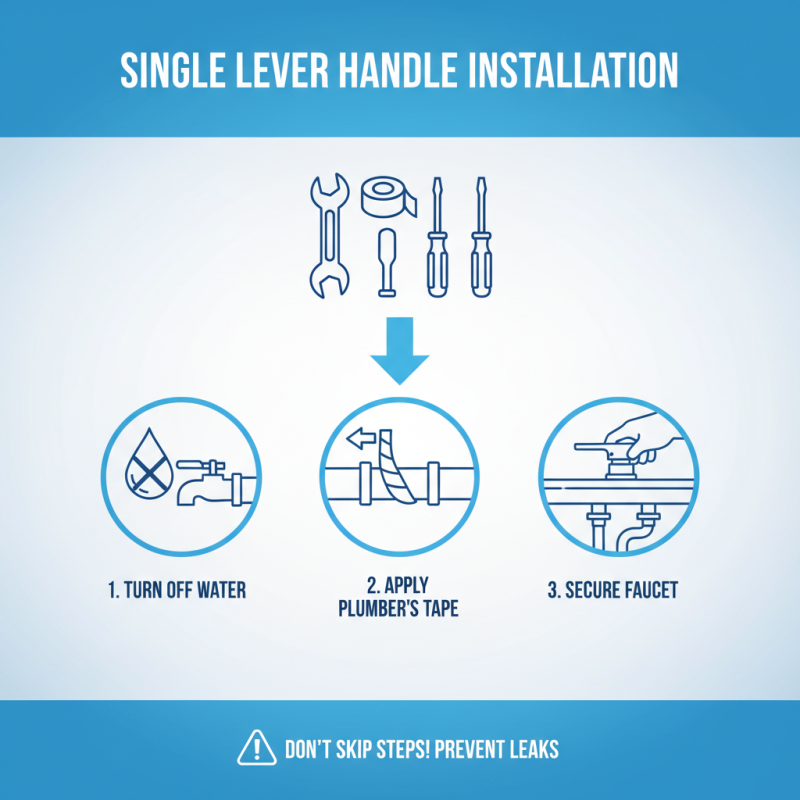
Installing a single lever handle is a straightforward process, but attention to detail is crucial. You'll need a few basic tools: a wrench, screwdrivers, and plumber's tape. Begin by turning off the water supply. This step cannot be skipped. Leaks after installation are often due to improper sealing.
Remove the existing handle by unscrewing any visible screws. Some handles are more challenging. Pay special attention to how the old handle is connected. This may provide insight when installing the new one. Next, position the new handle over the mounting hole. Ensure that it aligns properly. Tighten the screws securely but avoid overtightening, as this can lead to damage.
Industry reports indicate that nearly 30% of plumbing issues arise from improper installations. Take your time to verify connections and joints. Once everything is attached, turn the water back on slowly. Examine for leaks. Small leaks can be indicative of larger problems. An effective installation is marked by a smooth transition between hot and cold water. If adjustments are needed later, be prepared to disassemble and recheck your work. Adjustments are often overlooked but are essential for long-term functionality.
Common Issues and Maintenance Tips for Single Lever Handles
Single lever handles are popular for their ease of use and sleek design. However, they can face issues over time. A common problem is leaking water, typically caused by worn-out seals. This can lead to water waste. If you notice constant dripping, it’s essential to address it promptly.
Maintenance is crucial for longevity. Regular cleaning can prevent buildup. Use gentle cleaners to avoid damaging the finish. Sometimes, the handle may become loose. This can affect its functionality. Tightening the screws often resolves this issue.
Regular inspections can help catch problems early. If you are unsure about repairs, seeking help is wise. A single lever handle’s reliability is tied to its care. Addressing minor issues can prevent them from becoming significant headaches.