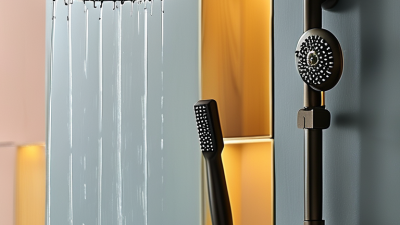
A shower can feel calm or cluttered before the water even starts. The Shower Holder helps shape that experience by keeping a handset, showerhead, or storage basket within comfortable reach. It seems like a small detail. But a loose suction cup, awkward height, or corroding finish can become part of every morning.
The U.S. EPA’s WaterSense showerhead guidance says certified showerheads use no more than 2.0 gallons per minute, compared with the federal maximum of 2.5 gallons per minute. The EPA estimates that an average family can save 2,700 gallons of water annually by replacing an inefficient showerhead with a WaterSense-labeled model. Those figures describe showerheads, not holders; still, they underline why a stable, well-positioned setup matters. A holder should support easy adjustment without obstructing the spray or creating a safety hazard.
Bathroom-planning research offers another useful lens. The National Kitchen & Bath Association’s 2024 Bath Trends Report tracks preferences around comfort, function, and personalized design. In practice, those priorities can mean choosing a simple fixed mount for a compact stall, an adjustable rail for shared use, or a corner holder that keeps bottles off the floor. Each option has trade-offs. Adhesive mounts may be convenient, while drilled mounts can offer a more permanent fit; neither suits every wall or household. This guide compares ten common Shower Holder types, with attention to installation, materials, adjustability, and everyday upkeep. Some choices look better in a showroom than they perform at home. That deserves a closer look.
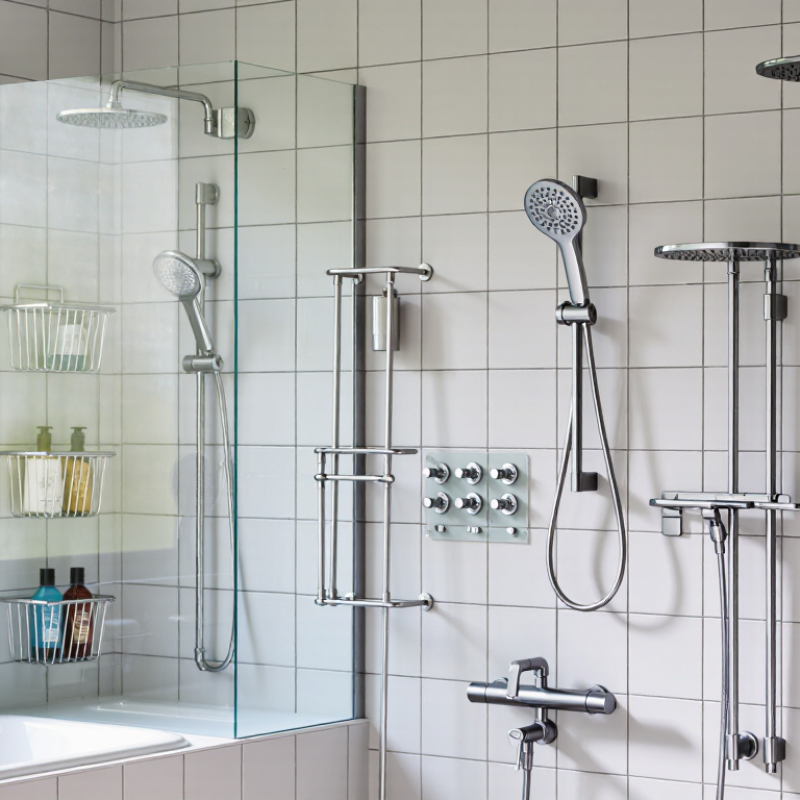
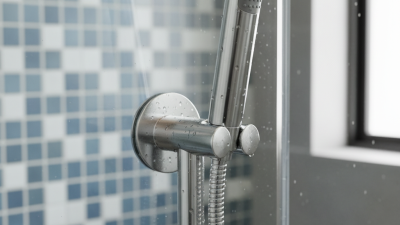
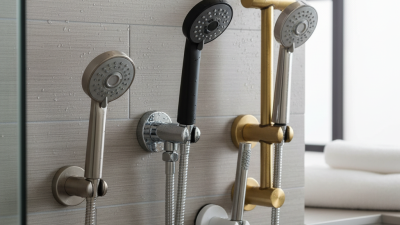
Shower holders keep a showerhead steady, within reach, or adjustable to different heights. They differ by mounting method and movement. Fixed wall brackets are simple and stable; slide bars let users reposition a handheld showerhead. Suction and adhesive holders avoid drilling, but need a clean, smooth surface and may loosen over time. Tension-pole caddies add storage without wall fasteners. Some holders cradle a handheld head; others support shelves or soap. Small parts, big difference.
The U.S. Environmental Protection Agency reports that showers account for about 17% of residential indoor water use, or nearly 40 gallons per day for an average family. That figure describes water use, not holder performance. A holder does not reduce flow by itself, but a secure fit can help keep spray aimed where it is needed. Check the showerhead connection, wall material, and expected load before choosing. I have seen “universal” fit claims feel less universal in older bathrooms; measuring first is wiser.
Tips: Dry the wall before applying suction or adhesive mounts. Let adhesives set as directed, and test the holder gently before placing a heavy bottle on it. A little patience helps.

Choosing a shower holder starts with the showerhead, hose, and wall surface—not the finish. For handheld heads, check that the cradle grips the head securely and lets the hose hang without sharp bends. A swivel joint helps aim spray toward a child, seated user, or low shower shelf. Fit matters most. Suction mounts suit smooth, nonporous tile, but textured grout lines can weaken their hold. Screw-mounted holders are steadier, though drilling tile needs care. Tile can be unforgiving. For accessible showers, the U.S. Access Board’s ADA Standards require a handheld shower spray unit with a hose at least 59 inches long; check reach and holder height against the user’s needs.
Consider moisture resistance, load, and installation limits. Stainless steel or corrosion-resistant finishes can handle daily splashes, while plastic holders are lighter and often easier to replace. Check the maker’s stated weight limit rather than assuming every cradle fits every showerhead. The U.S. EPA’s WaterSense Specification for Showerheads sets a maximum flow of 2.0 gallons per minute, 20% below the federal standard showerhead flow rate of 2.5 gallons per minute. That figure concerns the showerhead, not its holder, but a well-positioned head can make spray easier to direct. I would measure twice before drilling; choosing a holder by appearance alone is an easy regret.
Shower holders differ in how they mount, adjust, and handle daily use. Fixed wall brackets keep a showerhead in one position and suit users who prefer a simple setup. Adjustable slide bars let the holder move vertically, which can help households with different heights. Suction-cup holders install without drilling, but they need smooth, clean surfaces and may loosen over time. Adhesive holders also avoid drilling; check the surface and weight guidance before installation. Tension-pole caddies fit between floor and ceiling, adding shelves without wall fittings, though uneven ceilings can affect stability.
Tips: Dry the mounting area before fitting a suction or adhesive holder. Test adjustable parts gently. A holder that feels firm today may still need occasional checking, especially in a busy shower.
Corner caddies use otherwise awkward space for bottles, but crowded shelves can make cleaning harder. Handheld showerhead holders provide a resting place for a flexible hose; some models also adjust in height. Magnetic holders attach through compatible surfaces and allow quick repositioning, but they are not suitable for every shower setup. Over-door holders hang from a screen or enclosure edge, so measure the gap to avoid a poor fit. Ceiling-mounted holders keep the spray overhead and can create a fixed rainfall-style position, but they require suitable overhead support. Small details matter. A holder may look convenient in a store, yet feel awkward when wet hands are involved.
The right shower holder depends less on style than on wall shape, reach, and what it must carry. In a narrow alcove, a slim corner caddy keeps bottles off the floor without blocking elbows. Small change. More room. Measure the corner and check the shower door’s swing before choosing shelves. Deep baskets fit tall bottles; shallow trays are easier to rinse.
Smooth, glazed tile can suit suction-mounted holders, while textured stone or grout lines may prevent a reliable seal. Adhesive models need a clean, dry surface and enough time to set; check the fitting instructions before loading them. A tension-pole caddy can use vertical space in a tub-shower, but measure ceiling height and avoid unstable or sloped surfaces. Rail-mounted holders work well when users need to adjust the showerhead or keep it within reach.
For renters, removable options may be preferable, though removal can still affect some finishes. In a compact bathroom, a hanging caddy over the showerhead may save space, but it can make the fixture awkward to reach. During a renovation, a recessed niche offers a tidy fit, provided its position is planned before tiling. One easy mistake is choosing by storage capacity alone. Consider who uses the shower, how high they can comfortably reach, and whether the holder’s weight limit suits full bottles. A little less storage may work better.
A shower holder should match both the showerhead and the wall. Screw-mounted brackets suit fixed positions, while slide bars let users adjust height. Corner baskets and adhesive hooks keep small items close. Suction-cup holders are quick to move, but textured tile and damp grout can weaken their grip. Check the surface before choosing. The U.S. EPA’s WaterSense showerhead guidance estimates that an average family can save nearly 2,700 gallons of water yearly with efficient showerheads. A secure holder helps keep the spray head within reach, especially when a handheld model is used.
For drilled mounts, mark the position carefully and use a tile-appropriate bit; avoid drilling through grout or near plumbing. Seal penetrations with bathroom-grade silicone. Adhesive mounts need a clean, dry, smooth surface and the full curing time stated in their instructions. Don’t load them early. Small details matter. For slide bars, check that anchors are firm before adjusting the bracket. Clean holders with mild soap and a soft cloth, then dry metal joints to limit mineral buildup. Avoid abrasive pads, which can scratch finishes. Even careful placement is not permanent: loosened suction cups or brackets deserve attention before they slip.
| Shower Holder Type | Best Suited For | Typical Installation | Care and Maintenance | Important Considerations |
|---|---|---|---|---|
| Fixed Wall Bracket | A handheld showerhead kept in one regular position. | Mark the position, check for hidden pipes and wiring, then drill and secure the bracket with suitable fixings for the wall and tile. | Wipe with a soft cloth and mild soap. Check the fixing periodically and renew any deteriorated sealant around penetrations. | Choose a height and angle that suit users before drilling. Avoid abrasive cleaners that may damage the finish. |
| Adjustable-Angle Wall Holder | Households that want to direct a handheld spray without changing its mounting height. | Usually fixed to the wall with screws and wall-appropriate anchors; adjust the holder angle after installation. | Clean the pivot and holder with a soft cloth. If the angle no longer stays in place, check the joint according to the product instructions. | Confirm the holder is compatible with the showerhead handle diameter and weight. |
| Slide Bar or Riser Rail | Shared bathrooms where users need different showerhead heights. | Secure the rail’s mounting points to the wall using suitable fixings. Fit the sliding holder and check that it moves and locks smoothly. | Wipe the rail and holder regularly, and remove soap residue from the slider. Keep the bar free of heavy hanging items unless it is designed for them. | Check the available wall space and the rail’s adjustment range. Installation requires secure attachment at the specified points. |
| Suction-Cup Holder | Temporary or tool-free mounting on smooth, nonporous surfaces. | Clean and dry the surface, then attach the suction cup as directed. Test its grip before placing the showerhead in it. | Periodically remove and clean both the cup and mounting surface. Reattach it if suction weakens. | Generally unsuitable for textured tile, grout lines, porous stone, or uneven surfaces. Follow the stated load limits; suction can weaken over time. |
| Adhesive-Backed Holder | Bathrooms where drilling is undesirable and the mounting surface is smooth and sealed. | Clean and fully dry the surface, position the mount carefully, and press it on as instructed. Allow the recommended curing time before use. | Clean gently around the mount and avoid pulling or twisting the holder. Inspect the adhesive bond regularly. | Adhesion depends on the surface and preparation. Not suitable for every tile, finish, or painted wall; check the product’s surface guidance. |
| Shower-Arm-Mounted Holder | Adding or replacing a holder near an existing shower arm without drilling into the wall. | Fit the compatible holder or adapter to the shower arm according to its instructions, taking care not to overtighten threaded connections. | Wipe away mineral deposits and check the connection for movement or leaks. Use appropriate thread sealing only where the connection design calls for it. | Check thread size, arm shape, and clearance before buying. Some designs may change the showerhead’s position or angle. |
| Clamp-On Rail or Enclosure Holder | Compatible shower rails or enclosure frames where a removable clamp is useful. | Open the clamp, position it on the specified rail or frame, then tighten it gently as directed. | Wipe the clamp and mounting area to prevent soap buildup. Check periodically that it remains secure and does not slip. | Verify the supported rail diameter or frame thickness. Do not clamp onto glass unless the holder is specifically designed and approved for that application. |
| Magnetic Holder | Shower systems designed for a magnetic connection or compatible magnetic showerhead accessories. | Attach the holder to its intended mounting point and connect the compatible showerhead as described in the instructions. | Keep the contact surfaces clean and free of grit or scale. Check that the connection seats fully after cleaning. | Magnetic systems are not universally compatible. Confirm that both the holder and showerhead are designed to connect to one another. |
| Tension-Pole Caddy with Integrated Holder | Corner showers that need storage and a holder without wall drilling. | Assemble the pole and adjust its length and tension between the floor and ceiling, following the product instructions. | Clean shelves and holder openings, remove standing water, and check the pole’s stability regularly. | Requires suitable floor-to-ceiling contact surfaces and adequate clearance. Do not exceed the caddy’s load limits. |
| Ceiling-Mounted Fixed Shower Arm | Overhead showerheads that need a fixed position, often in a shower designed for a rain-style spray. | Connect to the plumbing outlet above the shower and secure the arm as specified. New installations may require access to the ceiling and professional plumbing work. | Wipe the arm and showerhead regularly, and check visible joints for leaks or looseness. | Plan the head position, ceiling clearance, and plumbing access in advance. Use only with a suitable overhead water outlet and secure support. |