Leave Your Message

How to Use Water Pressure Jet Spray for Effective Cleaning and Maintenance

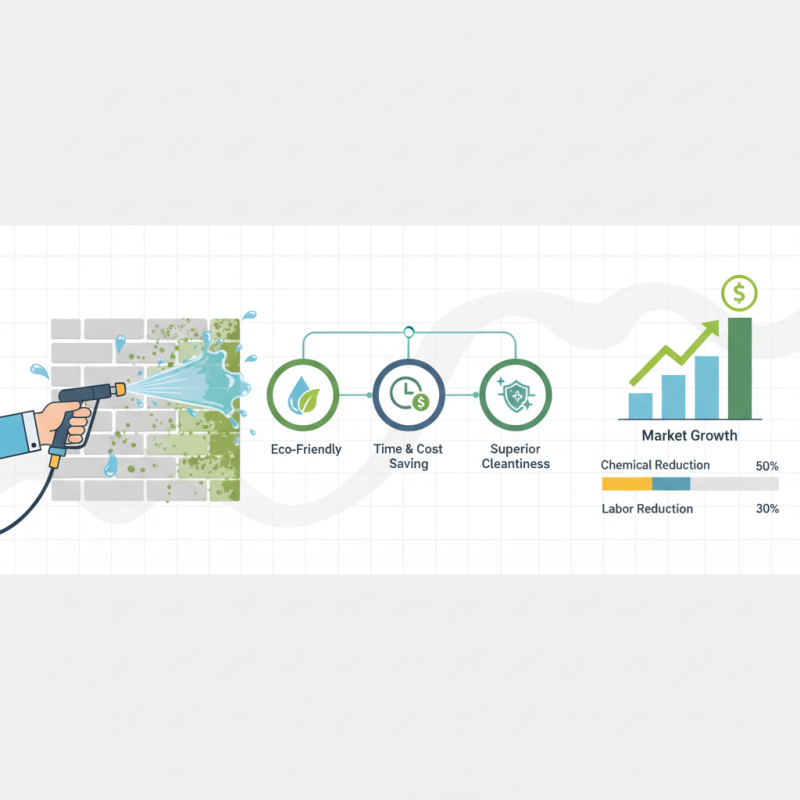
The efficiency and effectiveness of cleaning and maintenance routines have significantly evolved with the advent of advanced technologies. Among these innovations, Water Pressure Jet Spray systems have emerged as a critical tool in both residential and industrial cleaning applications. According to a report by the International Cleaning Association, the global pressure washer market is projected to reach $2.6 billion by 2025, driven by increasing consumer awareness of hygiene and cleanliness standards. This dramatic growth underscores the demand for efficient cleaning solutions that save time and labor while delivering superior results.

Water Pressure Jet Spray technology harnesses high-pressure water streams to remove dirt, grime, and contaminants from various surfaces, making it an invaluable asset in maintenance protocols. Data from the Environmental Protection Agency indicates that using high-pressure water systems can reduce the use of harmful chemicals by up to 50%, promoting eco-friendly cleaning practices. Furthermore, a study by the Power Washers Association reveals that proper application of water jetting techniques can reduce labor costs by around 30%. This introduction emphasizes the significance of understanding how to effectively utilize Water Pressure Jet Spray systems for optimal cleaning outcomes, leading to improved maintenance performance and cost-efficiency.
How to Use Water Pressure Jet Spray for Effective Cleaning and Maintenance

Understanding Water Pressure Jet Spray Systems

Water pressure jet spray systems are innovative cleaning tools that utilize high-pressure water jets to remove dirt, grime, and other contaminants from various surfaces. These systems operate by converting standard water supply pressure into a powerful stream that can cut through even the most stubborn stains, making them ideal for diverse applications. Understanding their components, such as the pump, hose, and nozzle, is essential for effective usage. A high-pressure pump generates the necessary force, while specialized nozzles can adjust the spray angle and intensity, allowing for customized cleaning based on the surface or material being treated.

Furthermore, knowledge about safety and operational techniques is crucial when using water pressure jet spray systems. Ensuring proper protective equipment, such as gloves and eyewear, mitigates the risks associated with high-pressure fluids. Additionally, adjusting the pressure to match the cleaning task can prevent damage to surfaces, especially delicate ones like wood or painted areas. By comprehending the fundamentals of water pressure jet spray systems, users can maximize their effectiveness and efficiency in various cleaning and maintenance tasks, promoting long-lasting results without compromising safety.
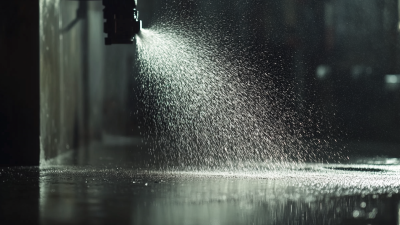
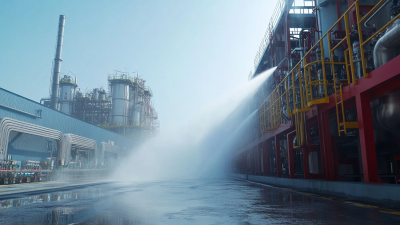
Benefits of Using Water Pressure Jet Spray for Cleaning

Water pressure jet spray is becoming an essential tool in both residential and commercial cleaning and maintenance due to its effectiveness and efficiency. According to a report by the American Cleaning Institute, approximately 80% of facility managers now prefer high-pressure cleaning methods over traditional washing. This technique utilizes high-pressure water jets to remove dirt, grime, mold, and other contaminants from surfaces without requiring harsh chemicals, making it a more environmentally friendly approach. The ability to reduce water usage while enhancing cleaning power effectively showcases the benefits of using water pressure jet spray for cleaning tasks.

One of the key benefits is its efficiency in delivering deep cleaning results in a fraction of the time compared to manual cleaning methods. A study by the Pressure Washer Manufacturers Association indicates that pressure washing can reduce cleaning times by up to 60%, which is crucial for businesses aiming to minimize downtime. Additionally, using high-pressure water jets can prolong the lifespan of surfaces by preventing the deterioration caused by accumulation of debris and biological growth.

Tips: When using a water pressure jet spray, always start with the lowest pressure setting and gradually increase it to avoid damaging surfaces. Maintaining a consistent distance from the surface—typically around 12 inches—will optimize the cleaning performance while ensuring safety. Regular maintenance of your pressure washer is also essential; clean filters and check hoses to maximize efficiency and longevity.

Essential Safety Precautions When Using Water Pressure Jet Spray

When using a water pressure jet spray, safety should always be the foremost concern. Before beginning the cleaning process, it is essential to wear appropriate personal protective equipment (PPE). This includes safety goggles to protect your eyes from flying debris, gloves to shield your hands from high-pressure water and chemicals, and sturdy footwear to guard against slips and falls. Additionally, wearing long-sleeved clothing can help protect your skin from potential injuries caused by the force of the water as well as from any hazardous materials that may be present in the cleaning environment.

Moreover, understanding the equipment and its operation is vital to ensure safe usage. Always read the manufacturer’s instructions and familiarize yourself with the pressure settings, as using a pressure that is too high can result in damage to surfaces or injury to yourself or bystanders. It is also critical to assess the area where you plan to work for any hazards, such as loose electrical wires or fragile objects that may be damaged by the spray. Keeping a safe distance from others and never pointing the nozzle at yourself or anyone else can greatly reduce the risk of accidents, making your cleaning efforts not only effective but also safe.

Step-by-Step Guide to Effective Water Pressure Cleaning

When it comes to maintaining the cleanliness of surfaces around your home or business, water pressure jet spray is an efficient solution. This method utilizes high-pressure water jets to remove dirt, grime, mold, and other stubborn contaminants. According to a report by the Pressure Washer Manufacturers’ Association (PWMA), utilizing water pressure cleaning can reduce manual scrubbing time by up to 75%, offering a significant advantage for large cleaning tasks.

To employ water pressure cleaning effectively, start by selecting the appropriate pressure level for the surface you intend to clean. Most residential cleaning tasks can be accomplished using pressure levels ranging from 2000 to 3000 PSI. It's crucial to begin with a lower setting and gradually increase as needed, particularly on surfaces that may be sensitive to high pressure, such as wood or painted areas. Always ensure the area is properly prepped before applying pressure—removing loose debris and covering plants or delicate features to prevent damage.

After setting up, maintain a steady sweeping motion while directing the spray at an angle to avoid etching surfaces. A study from the American Society of Cleaning Professionals notes that this technique not only enhances cleaning effectiveness but also minimizes the risk of surface damage. Furthermore, for optimal results, follow up with a suitable biodegradable cleaner for more stubborn stains, ensuring you are environmentally responsible in your cleaning endeavors.

Effectiveness of Water Pressure Jet Spray for Cleaning Various Surfaces

Maintenance Tips for Water Pressure Jet Spray Equipment

How to Use Water Pressure Jet Spray for Effective Cleaning and Maintenance

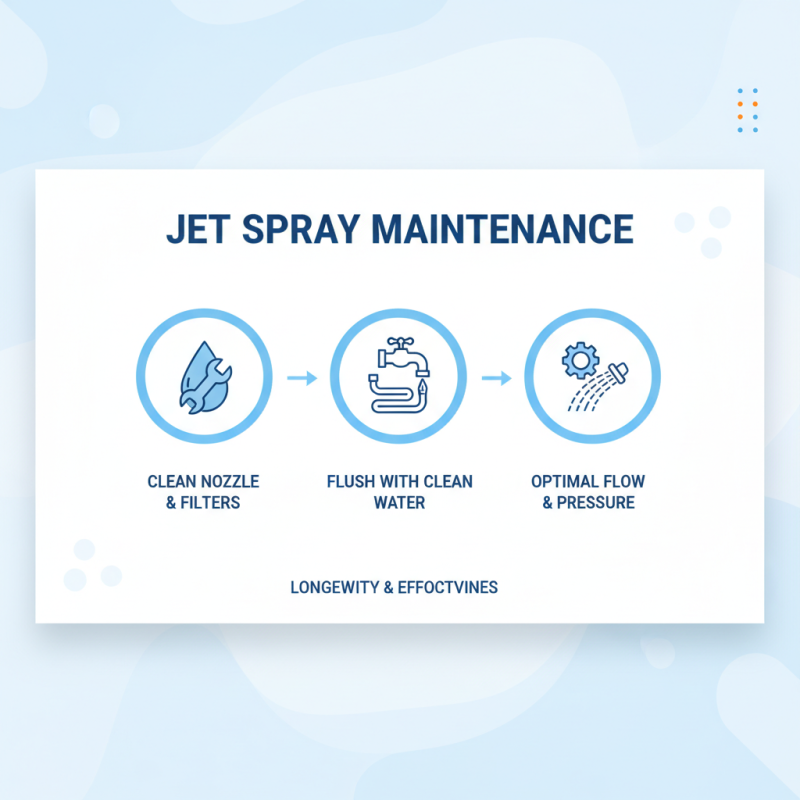
To ensure the longevity and effectiveness of your water pressure jet spray equipment, regular maintenance is essential. Start by cleaning the nozzle and other filters to prevent clogs that can impact performance. After each use, it’s advisable to flush the system with clean water to remove any detergent or debris that might accumulate inside. This simple step will help maintain optimal water flow and pressure during subsequent uses.

Additionally, inspect hoses and connections for any signs of wear and tear. Look for cracks, leaks, or weak points that may compromise the equipment's efficiency. Tighten any loose connections and replace damaged hoses promptly. Regularly checking the seals and fittings will reduce the risk of leaks and enhance the overall safety of the operation. Finally, store the equipment in a dry and sheltered area to protect it from environmental elements, ensuring it remains in prime condition for your next cleaning task.