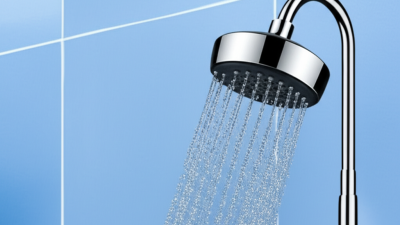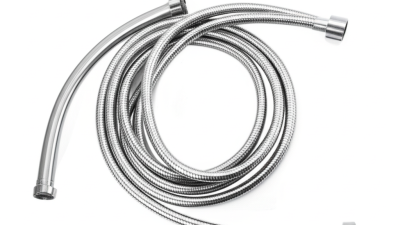
A Handshower can make a daily shower more flexible without changing the entire bathroom. Its hose lets you direct water where it is needed, rather than relying only on a fixed overhead spray. That can help when rinsing shampoo, washing a child, or cleaning the shower walls. Small change. Often useful.
The best choice depends on the room and the people using it. Check that the hose reaches comfortably, the holder adjusts easily, and the controls are simple to operate with wet hands. Spray settings can feel different across models, and water pressure may affect the experience. A product’s listed features do not guarantee that every setting will suit your plumbing.
Think about installation before buying. Confirm that the connection matches your shower setup, and follow the manufacturer’s instructions. If someone needs support while bathing, a Handshower holder is not a substitute for a properly installed grab bar. That distinction matters. Regularly remove mineral buildup from the spray nozzles as directed, and check the hose and connections for leaks.
There are trade-offs, too. A hose can twist, and a poorly positioned holder can be awkward to reach. More spray options are not always better; a clear, comfortable setting may matter more. Consider who will use the shower and how the space works in practice. A little measuring beforehand can prevent a frustrating fit.
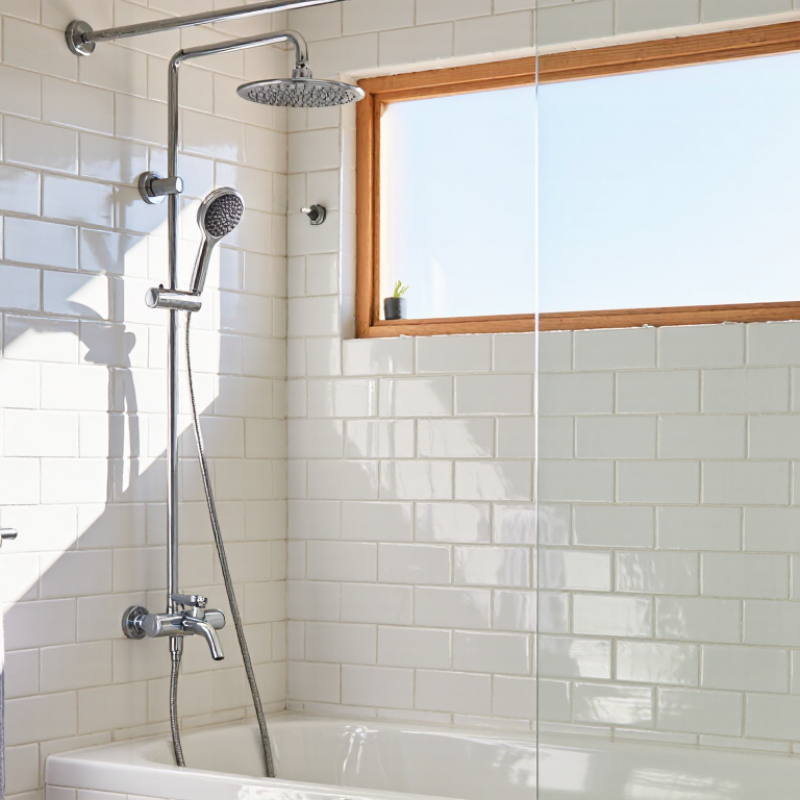
A handshower is a handheld showerhead connected to a water outlet by a flexible hose. When lifted from its wall bracket, it lets the user direct the spray instead of relying on a fixed overhead stream. The hose carries water to the handpiece, while the bracket holds it in place between uses. Simple, but useful.
That flexibility helps rinse shampoo from thick hair, wash a child, or clean a shower wall without moving the whole body under the spray. Hose length, handpiece weight, and bracket position affect comfort; a hose that drags or kinks can make the design less convenient. A small detail.
The U.S. Environmental Protection Agency’s WaterSense guidance says certified showerheads use no more than 2.0 gallons per minute, compared with a 2.5-gallon-per-minute baseline.
The EPA estimates that a family replacing older showerheads with WaterSense-labeled models could save 2,700 gallons of water and 330 kilowatt-hours of electricity each year. These are household estimates, not a guarantee for every handshower; flow rate and actual use matter.
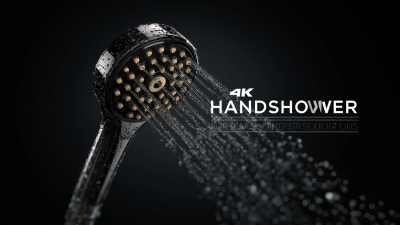
A handshower’s spray settings matter most when they match the task. A steady, broad spray can make rinsing shampoo easier, while a narrower stream helps wash soap from a tub or shower corner. More settings do not always mean better use. Controls should be easy to turn with wet fingers, and the spray should feel comfortable rather than harsh. If possible, test the controls before choosing.
Hose reach and mounting height shape how freely the handshower moves. Measure from the holder to the farthest spot you need to reach, such as a low shower bench or the tub floor. A hose that pulls tight can feel awkward; one that drags underfoot can get in the way. Adjustable mounts offer flexibility, but check that the holder stays secure and sits at a useful height. It is easy to overlook this detail while focusing on spray patterns.
Tips: Before installation, mark the proposed holder height with removable tape and mimic your usual routine. Check reach while seated, if relevant. Leave enough slack for movement, but avoid a loop that catches on fixtures. A small test can prevent an annoying daily compromise.
Why Choose a Handshower for Your Bathroom?
A handshower makes it easier to rinse shampoo, wash children, or clean around the tub. Its flexible hose also lets you direct water where it is needed. But convenience does not have to mean excessive water use.
EPA WaterSense sets a 2.0-gallon-per-minute benchmark for labeled showerheads, including eligible handheld models, when tested at 80 psi. The figure is a ceiling, not a promise that every setting uses exactly that amount. WaterSense-labeled products must also meet performance requirements, so a lower flow rate does not automatically mean a weak rinse. Still, results at home can vary. Household pressure, a partly blocked spray face, or an old valve may affect how the water feels. A quick rinse test can reveal more than the number on a package.
Tips: Check for the WaterSense label and confirm the stated flow rate before buying. After installation, watch how long it takes to rinse soap from your hair or the tub. If the spray feels uneven, clean the nozzles and check your home’s water pressure. Small details matter.
A detachable handshower lets users direct water without turning their whole body. That can make seated bathing easier for someone with limited balance, joint pain, or reduced reach. A CDC analysis of emergency-department records estimated 234,094 bathroom-related injuries among people aged 15 and older during 2008–2010; 81.1% involved falls. The report did not test handshowers, so this figure signals a bathroom hazard, not proof that a spray hose prevents falls.
Reach matters. A low, secure holder and a hose long enough to use while seated can reduce awkward stretching. A caregiver can rinse shampoo from the back of the head, while the user keeps one hand on a stable support. The spray also helps rinse soap from corners, clean around a toilet, and wash pets or muddy feet. Small detail. Yet a hose that drags across the floor can create clutter, and a poorly placed holder may encourage reaching.
Choose a model with an easy-grip handle and controls reachable from the shower seat. Check that the holder locks firmly and the hose does not kink. I admit, the setup can look simple but still be awkward in a real bathroom. A handshower is not a substitute for grab bars, a slip-resistant floor, or professional installation. CDC’s report, “Nonfatal Bathroom Injuries Among Persons Aged ≥15 Years—United States, 2008–2010,” offers useful context, but each bathroom needs a practical fit.
A handshower is useful when you need to rinse a tub, wash a child, or direct water around a shower stall. Flow rate affects both comfort and water use. Check the gallons-per-minute figure on the product label, not just the spray description. The U.S. Environmental Protection Agency’s WaterSense showerhead specification sets a maximum of 2.0 gallons per minute for labeled models, compared with the federal standard of 2.5. EPA estimates that an average family could save 2,700 gallons of water yearly by switching to a WaterSense-labeled showerhead. A lower flow can feel different, though; spray pattern matters too.
Hose length is a reach question, not a bigger-is-always-better choice. Measure from the outlet to the tub floor, then picture the hose reaching a seated user’s shoulder or a pet’s back. Measure it in place. A longer hose may sag or catch on the handle, while a short one can make rinsing awkward. I might still overlook how it hangs until installation; that detail is easy to miss.
Compatibility deserves a quick check before ordering. Confirm the connection size and thread, and see whether your setup needs a diverter or a dedicated handshower holder. Existing valves and fittings vary, so do not assume a “standard” connection will fit. Check pressure requirements as well. A neat-looking set can still be a poor match for the plumbing behind the wall.
Flow rate: The 1.5 GPM bar is an illustrative option, not a regulatory benchmark. In the United States, WaterSense-labeled showerheads are limited to 2.0 gallons per minute (GPM), while the federal maximum is 2.5 GPM, both measured at 80 psi. Actual flow can vary with water pressure.
Hose length: Choose a hose long enough to reach comfortably; compare the listed length with your shower layout.
Compatibility: Check the hose connection and whether your setup needs a compatible diverter or wall bracket before buying.