Leave Your Message

2026 Top Bathtub Kitchen Spout Types for Global Buyers

Choosing a Bathtub Kitchen Spout in 2026 is no longer a simple style decision. Global buyers must examine water flow, installation limits, material quality, and daily usability. A matte black spout may look attractive in a showroom. However, fingerprints, mineral deposits, and cleaning habits can change that appeal at home.

Mark Henderson, a veteran faucet product engineer with more than two decades in sanitaryware development, says, “A reliable spout should control water confidently, survive repeated use, and remain easy to maintain.” This practical view shapes our review of the leading Bathtub Kitchen Spout types for international markets. Pull-out models support flexible rinsing. Swivel designs improve reach around deep basins. Wall-mounted versions save counter space but demand accurate plumbing measurements. Integrated bathtub spouts create a clean appearance, though repairs may become less convenient.

Small details matter.

Buyers should compare brass or stainless-steel construction, ceramic cartridge performance, hose length, connector standards, and replacement-part availability. Regional water pressure also deserves attention. A design tested in a European apartment may behave differently in a high-pressure commercial kitchen. Certification requirements vary between markets, so product documents should be checked before purchase.

No single spout fits every project. That is the uncomfortable part. Some premium finishes still scratch. Some economical models perform well but offer limited support. This guide examines those trade-offs honestly, helping distributors, contractors, and homeowners select a Bathtub Kitchen Spout with clearer expectations, stronger evidence, and fewer costly surprises.
2026 Top Bathtub Kitchen Spout Types for Global Buyers

What Are Bathtub Kitchen Spouts and How Do They Work?

What Are Bathtub Kitchen Spouts and How Do They Work?

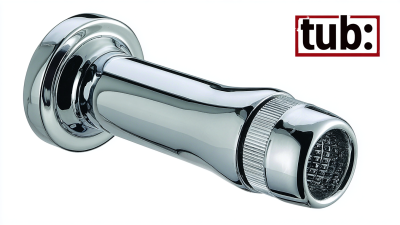
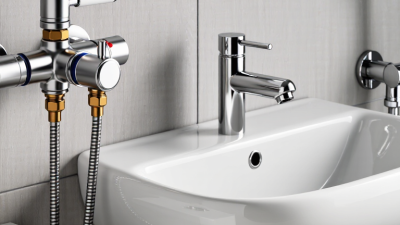
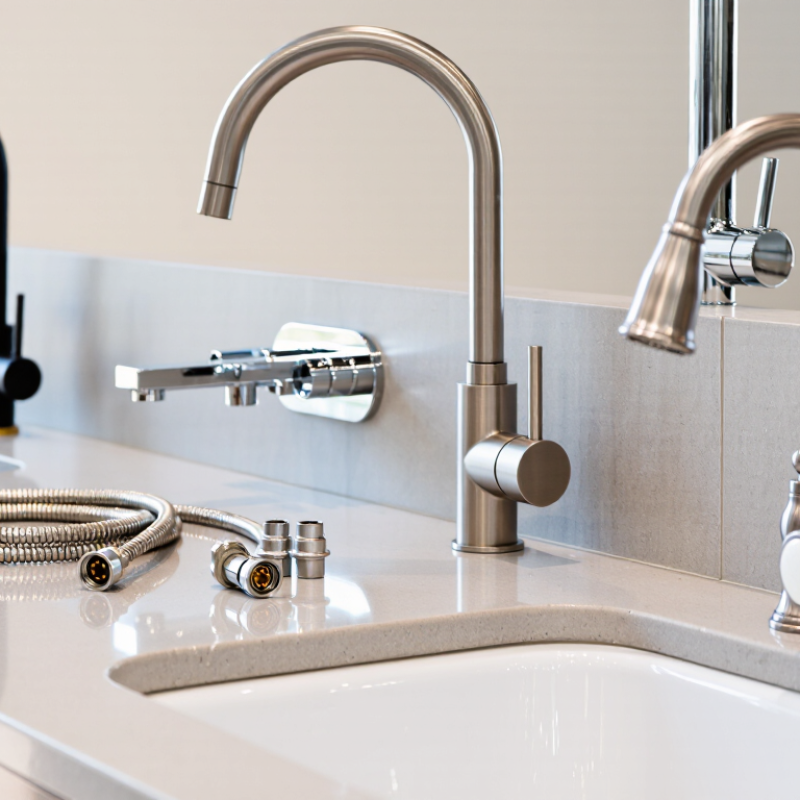
Bathtub and kitchen spouts are the outlet sections that guide water from a faucet body into a tub or sink. They look simple, but internal passages control flow, reach, and splash. In a bathtub, a wall-mounted or deck-mounted spout usually fills the basin through a short, wide outlet. A diverter may redirect water toward a handheld shower. In a kitchen, swivel, pull-out, and high-arc spouts support washing, rinsing, and filling tall containers. Water enters through supply lines, passes a valve, and exits through an aerator or open channel. Ceramic cartridges often regulate temperature and volume.

Tips: Check the installation holes, pipe spacing, outlet reach, and local connection standards before ordering. A spout that reaches too far can splash onto the floor. A short one may leave stains near the drain. Test the handle movement and water angle in a real sink or tub when possible. Product photos can mislead.

For global buyers, material quality matters as much as appearance. Solid brass or certified corrosion-resistant alloys generally tolerate repeated moisture better than thin plated metals. Look for clear flow-rate data, replacement-part access, and pressure limits. Tub spouts need secure support because users may accidentally pull on them. Kitchen models need a stable swivel and a reliable hose connection. I have found that installation diagrams are often less clear than expected. Verify every measurement with a plumber or the site conditions before purchase.

2026 Top Bathtub Kitchen Spout Types for Global Buyers

What Are Bathtub Kitchen Spouts and How Do They Work?

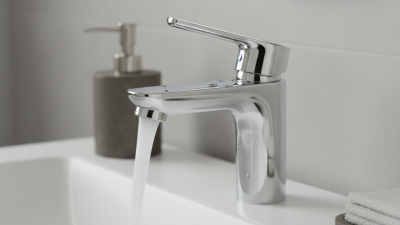
Bathtub spouts and kitchen spouts are water outlets that direct water into a tub or sink. Wall-mounted and deck-mounted bathtub spouts usually connect to hot and cold supply lines through a mixer or diverter, while freestanding fillers use floor plumbing. Kitchen pull-out and pull-down spouts normally use a flexible hose and spray head. The chart compares representative outlet projection lengths commonly specified in plumbing product designs; actual dimensions vary by installation and local standards.

Which Bathtub Kitchen Spout Types Are Available in 2026?

In 2026, global buyers can choose several bathtub and kitchen spout types. Wall-mounted tub spouts suit compact bathrooms and exposed pipework. Deck-mounted fillers fit broad bath rims, while freestanding floor fillers serve deep, central tubs. Roman tub fillers often include separate hot and cold handles. Diverter spouts switch water between the tub outlet and a hand shower. Some models still lack clear flow markings.

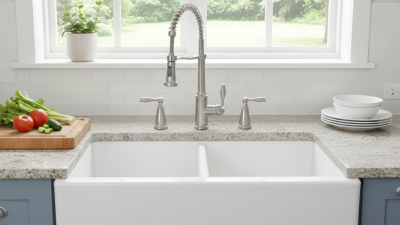
Kitchen options are equally varied. Single-handle pull-out spouts save space and support one-handed washing. Pull-down spouts provide a stronger vertical rinse for vegetables and large pans. Bridge spouts use separate controls and suit traditional kitchens. High-arc designs leave room for tall cookware. Pot-filler spouts reduce lifting, but they need carefully planned wall plumbing. Filtered-water and touchless versions are also available in 2026.

Grand View Research reports continued growth in the global faucets market, supported by renovation, housing development, and water-efficiency demand. Fortune Business Insights also identifies smart controls and sensor operation as important market trends. These reports describe market direction, not guaranteed product performance. Buyers should check flow rate, mounting-hole spacing, cartridge quality, local certification, and replacement-part access. A polished finish can look impressive, yet hard-water areas may expose maintenance weaknesses quickly. Performance depends on installation, and that detail is often underestimated.

How Do Materials and Finishes Affect Spout Performance?

For 2026 bathtub and kitchen spout buyers, material choice directly affects service life, water control, and maintenance. Solid brass offers good structural strength and tolerates repeated temperature changes. Stainless steel resists corrosion, especially in humid bathrooms and coastal homes. Zinc-based alloys can reduce cost, but thinner sections may deform or wear faster under heavy use.

Material alone does not decide performance. A smooth internal passage helps maintain steady flow and limits turbulence. Poor casting can leave rough areas where mineral deposits collect. I have seen this problem in hard-water installations. The outside looked polished, but the outlet clogged within months. Wall thickness also matters. A lightweight spout may feel attractive during installation, yet it can vibrate when water pressure changes.

Finishes protect surfaces and shape daily maintenance. PVD coatings usually resist scratches and discoloration better than basic decorative plating. Brushed finishes hide fingerprints and small marks. Mirror finishes look refined, but they reveal water spots quickly. Matte coatings need careful cleaning because abrasive powders can create visible patches. Finish adhesion should be tested after heat cycling, salt exposure, and repeated cleaning. Local water chemistry still changes the result. A finish that performs well in a dry inland region may age differently near the sea. Buyers should review test reports, coating thickness, cartridge compatibility, and applicable plumbing requirements. Certification helps, but it cannot replace checking actual installation conditions.

What Global Standards Should Buyers Check Before Purchasing?

Before purchasing a bathtub kitchen spout, global buyers should match the product with regional plumbing standards. In North America, ASME A112.18.1/CSA B125.1 covers plumbing supply fittings, including pressure, leakage, flow, and durability tests. European buyers often check EN 200 for sanitary tapware and EN 1111 for thermostatic mixing valves. Thread size matters too. ISO 228-1 helps verify pipe-thread dimensions, but it does not prove complete product compatibility.

Material safety deserves equal attention. NSF/ANSI/CAN 61 evaluates components that contact drinking water, while NSF/ANSI/CAN 372 addresses lead content. The 2023 WHO/UNICEF JMP report states that 2.2 billion people lacked safely managed drinking water in 2022. That figure makes internal material quality more than a paperwork issue. Ask for test reports, maximum working pressure, temperature limits, and coating durability data. A shiny surface can still conceal weak threads or poor brass composition.

Flow performance needs careful interpretation. A kitchen-style spout may require an aerator, while a bathtub spout normally needs faster filling and stable flow. U.S. EPA WaterSense specifications commonly limit bathroom faucets to 1.5 gallons per minute, but bathtub outlets may follow different local rules. Do not assume one certificate covers every market. Check WRAS, ACS, or equivalent national approvals where required. In practice, buyers should also inspect cartridge access, replacement seals, installation depth, and warranty terms. Small details matter. I would still request independent retesting, because supplier documents can be incomplete or outdated.

2026 Top Bathtub Kitchen Spout Types for Global Buyers - What Global Standards Should Buyers Check Before Purchasing?
Spout Type Typical Application Common Installation Typical Materials Common Connection Sizes Main Buyer Advantages Potential Limitations Checks Before Purchase
Wall-Mounted Tub Spout Bathtubs with a wall-mounted water outlet; often paired with a tub/shower diverter. Horizontal wall connection, usually through a threaded adapter or slip-fit connection. Brass Stainless steel Zinc alloy Commonly 1/2 inch water connection; exact thread form varies by market. Space-efficient, widely available, and suitable for many standard bathroom layouts. Incorrect wall projection or connection depth can cause leakage, poor alignment, or insufficient tub clearance. Confirm wall outlet position, projection, thread type, diverter compatibility, flow direction, finish durability, and installation instructions.
Deck-Mounted Tub Filler Freestanding or built-in bathtubs with pre-drilled mounting holes on the tub rim or surrounding deck. Mounted vertically through the tub deck or platform with flexible supply hoses. Brass Stainless steel Ceramic cartridge Connection size is model-dependent; supply hoses commonly use metric or imperial fittings according to destination market. Clean appearance and convenient access for certain bathtub configurations. Requires accurate hole spacing, deck thickness, and sufficient underside installation space. Measure hole diameter and center distance; verify deck thickness, hose length, working pressure, hot/cold orientation, and maintenance access.
Floor-Mounted Tub Filler Freestanding bathtubs positioned away from a finished wall. Vertical installation from the finished floor with concealed floor pipework. Brass Stainless steel Metal alloy Supply connection depends on the concealed rough-in system and local plumbing practice. Suitable for modern freestanding tubs and flexible bathroom layouts. Requires precise rough-in planning and secure anchoring; finished-floor installation can be difficult to modify later. Check rough-in dimensions, floor structure, anchor method, finished floor height, supply pressure, hose reach, and local approval requirements.
Roman Tub Filler Wide-rim bathtubs and platform-mounted bathtub installations. Deck-mounted, commonly using separate hot and cold handles with a central spout. Brass Stainless steel Ceramic valves Hole spacing and supply connections vary; many designs use three-hole configurations. Offers a traditional three-piece layout and can provide high bath-filling flow. Needs more deck space and careful alignment of the spout, handles, and overflow area. Confirm number of holes, center-to-center spacing, spout reach, minimum water pressure, cartridge type, and replacement-part availability.
Pull-Out Kitchen Faucet Spout Kitchen sinks where the spray head must extend outside the faucet body. Single-hole deck mounting with an integrated pull-out hose and spray head. Brass body Stainless steel Engineering polymer components Commonly supplied with flexible hot and cold hoses; fitting formats vary by region. Useful for rinsing sinks, filling containers, and directing water around the basin. Hose retraction, weight clearance, and spray-head sealing require regular quality control. Check sink hole diameter, counter thickness, hose length, counterweight clearance, spray-mode selector, backflow protection, and replacement hose availability.
Pull-Down Kitchen Faucet Spout Deep kitchen sinks and professional-style sink areas. Deck-mounted faucet with a vertically retractable spray head and flexible hose. Brass Stainless steel Metal and polymer hose assembly Usually a single-hole installation; supply hose fittings depend on the target market. Provides good reach and convenient vertical control for washing and rinsing. Requires adequate overhead and under-sink clearance; the hose must retract smoothly without kinking. Verify sink depth, spout height, swivel range, hose bend radius, counterweight position, flow rate, and spray-head docking strength.
High-Arc Swivel Spout Kitchen sinks needing clearance for large pots and movement between multiple bowls. Deck-mounted, generally with a rotating spout body or outlet. Brass Stainless steel Plated metal Single-hole or multi-hole mounting; supply connections vary by plumbing market. Provides increased vertical clearance and broad basin coverage. Large arc dimensions may interfere with cabinets, windows, or shelves above the sink. Measure total height, spout reach, rotation limit, countertop thickness, cabinet clearance, aerator thread, and mounting stability.
Low-Arc Fixed Spout Compact kitchen sinks, utility sinks, and installations beneath low cabinets. Deck-mounted with a fixed or limited-rotation outlet. Brass Stainless steel Engineering polymer components Usually single-hole mounting with flexible supply connections. Fits restricted spaces and usually has a simple, easy-to-clean design. Offers less clearance and less directional coverage than high-arc or pull-out designs. Check cabinet clearance, spout reach, sink-bowl coverage, mounting-hole dimensions, flow rate, aerator type, and handle operation.
Pot Filler / Swing-Arm Spout Cooking areas where water is delivered directly above or near a cooktop; also used in some utility applications. Wall-mounted with one or more articulated arms and a shut-off valve. Brass Stainless steel Ceramic valves Commonly connected to a wall water outlet; thread and rough-in requirements vary by region. Reduces the need to carry large filled pots from the sink to the cooking area. Does not replace a sink faucet; wall reinforcement and accurate positioning are important. Confirm mounting height, arm reach, wall support, valve accessibility, shut-off arrangement, pressure rating, and local plumbing requirements.
Waterfall Tub or Basin Spout Decorative bathtub or bathroom basin installations where a broad open stream is desired. Wall-mounted or deck-mounted, depending on the product design. Brass Stainless steel Tempered glass on selected designs Connection format, hole spacing, and supply size are design-specific. Distinctive appearance and a visually broad water outlet. Open outlets may splash if the flow, basin geometry, or installation height is unsuitable; exposed surfaces need regular cleaning. Check outlet alignment, splash performance, flow rate, mounting method, surface corrosion resistance, cleaning access, and compatibility with the basin or tub.
Global standards and compliance checks: Buyers should identify the destination country before selecting a standard. Review applicable plumbing-product requirements for potable-water contact, mechanical strength, leakage, pressure, flow rate, backflow protection, material safety, surface durability, and marking. Common reference frameworks include ISO 3822 for measurement of airborne noise from water fittings, ISO 4064 for water-meter terminology and test principles where relevant to metering components, EN 817 for mechanically adjustable single-control mixing valves, ASME A112.18.1/CSA B125.1 for plumbing supply fittings, ASME A112.18.2/CSA B125.2 for plumbing waste fittings, and NSF/ANSI/CAN 61 for drinking-water-system components where applicable. National or regional approval, labeling, testing, and documentation requirements may differ, so the importer should confirm the current rules with the competent authority or conformity-assessment body.

How Can Buyers Choose the Right Bathtub Kitchen Spout?

Choosing the right bathtub kitchen spout starts with the installation site, not its appearance. A wall-mounted spout suits bathrooms with concealed pipework and creates a clean, open deck. A deck-mounted model fits bathtubs with pre-drilled holes. Kitchen buyers may prefer a pull-out or swivel spout for washing large cookware.

Measure carefully.

Check the pipe center distance, mounting hole size, reach, and water inlet thread before ordering. The spout should extend far enough to fill the bathtub without splashing onto the rim. For a kitchen sink, the outlet should reach the basin center and leave enough clearance for pots. I have seen attractive fixtures fail because the outlet was too short. That mistake is easy to miss in product photos.

Material and control design also affect daily reliability. Solid brass or certified corrosion-resistant alloys generally provide better service in humid rooms. Ceramic cartridges usually offer smoother temperature control than basic compression valves. Look for replaceable aerators, accessible seals, and clear installation instructions. Verify pressure limits and local plumbing requirements with a qualified installer. Finish quality matters, but it should not outweigh internal construction. A polished surface can hide weak threads or poor alignment. Buyers should compare technical drawings, warranty terms, spare-part access, and independent test information. The perfect choice is not always the most expensive one. It is the spout that fits the space, water system, cleaning habits, and expected maintenance.