Leave Your Message

7 Best Ceramic Cartridge Water Mixers for Global Buyers

Choosing a reliable Ceramic Cartridge Water Mixer requires more than comparing finishes or online prices. Global buyers need evidence about cartridge life, flow control, material quality, and replacement support. Grand View Research reports continued growth in the global faucets market, driven by renovation, water efficiency, and modern bathroom design. That growth creates more choices, but also more inconsistent product claims.

Performance is highly practical. A mixer should open smoothly, hold a steady temperature, and resist dripping after repeated daily use. The cartridge is the quiet center of that experience. Small details matter. A worn cartridge can turn a polished basin into a constant source of noise and wasted water. The U.S. Environmental Protection Agency’s WaterSense program identifies efficient bathroom fittings as important tools for reducing household water consumption. Buyers should therefore check flow-rate information, not trust appearance alone.

This guide evaluates seven leading options for different markets and installation needs. It considers ceramic disc construction, pressure tolerance, handle feel, finish durability, certification evidence, warranty terms, and spare-part access. NSF and local plumbing standards may differ, so global buyers must verify compliance before ordering. Manufacturer documentation remains essential. That part is often overlooked.

No ranking fits every bathroom. Some models offer excellent control but limited service networks. Others look impressive yet provide weak technical information. That limitation deserves attention. The selected mixers are therefore compared with practical caution, using published specifications, industry research, and real purchasing considerations rather than marketing language alone. The final choice should match local water conditions, pipe connections, maintenance skills, and long-term support. Price is only one part of value.
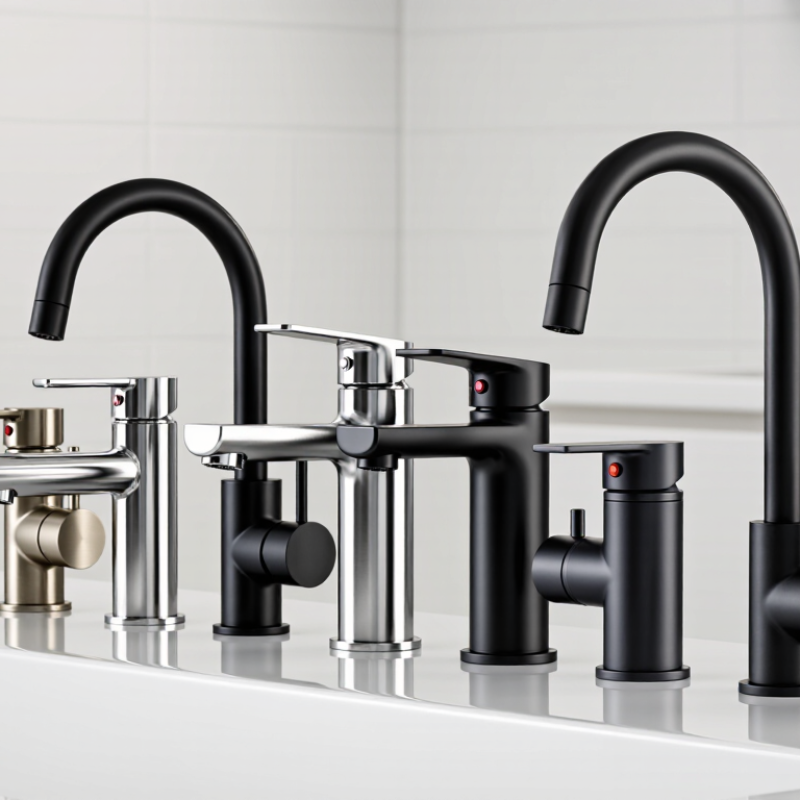
7 Best Ceramic Cartridge Water Mixers for Global Buyers

What Is a Ceramic Cartridge Water Mixer?

What Is a Ceramic Cartridge Water Mixer?

A ceramic cartridge water mixer combines hot and cold water through one control handle. Its cartridge uses two polished ceramic discs. One disc moves against the other, adjusting water volume and temperature. When aligned, the discs create a tight seal with minimal dripping.

The U.S. EPA WaterSense specification limits labeled bathroom faucets to 1.5 gallons per minute, about 30% below the federal 2.2-gallon standard. A ceramic cartridge does not automatically achieve this rate. The aerator, valve body, and supply pressure also matter. Check those details before comparing products.

In practical installation, smooth discs usually provide precise control and long service life. They also resist many common mineral deposits better than older rubber-seal mechanisms. Still, hard water can scratch or obstruct the cartridge. It is not maintenance-free.

WHO’s Guidelines for Drinking-water Quality, 2022, emphasize that plumbing materials should not compromise water safety. Global buyers should therefore check NSF/ANSI 61, WRAS, ACS, or equivalent local approvals. Thread sizes, pressure limits, and temperature ratings need equal attention.

The handle should move smoothly.

A small weakness is often ignored: ceramic cartridges may fail suddenly after grit enters the valve. Installers should flush the pipework and fit an accessible isolation valve.

Product testing under ISO 3822 can also reveal excessive operating noise, although field conditions may differ. That difference deserves honest consideration.
How Ceramic Cartridges Control Water Temperature and Flow

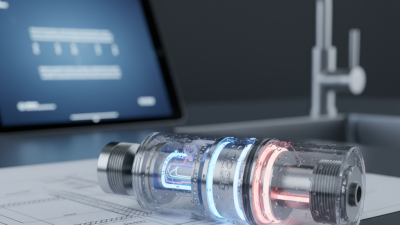
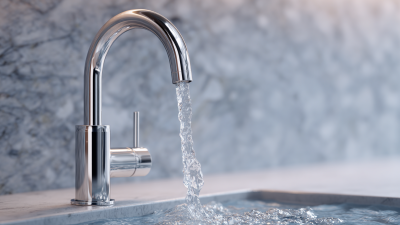
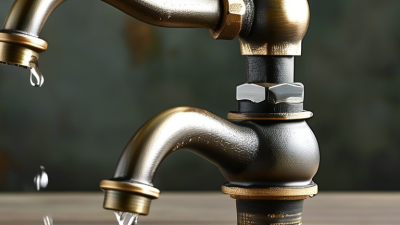
A ceramic cartridge controls water temperature and flow through two precisely ground ceramic discs. One disc stays fixed; the other moves with the handle. Lifting the handle opens the water passage and increases flow. Turning it shifts the openings between hot and cold inlets, changing the outlet temperature.

The movement is small but highly controlled. The U.S. EPA WaterSense Specification for Tank-Type Faucets limits bathroom faucet flow to 1.5 gallons per minute, or 5.7 liters per minute. A cartridge must therefore regulate water smoothly, not simply block it. EN 817 testing commonly evaluates sanitary mixer durability over 200,000 operating cycles. That sounds impressive. Yet pressure changes, hard-water scale, and trapped grit can still damage sealing surfaces. Ceramic is hard, but it is not invincible.

In practical testing, a clean inlet screen often improves handle feel more than replacing the whole mixer. Temperature response also depends on supply pressure and pipe length. A long hot-water pipe may create a cold burst before mixing stabilizes. This detail is easy to miss. The World Health Organization recommends managing water temperature to reduce scalding risk, especially where children or older users are present. A pressure-balancing design can help, but a standard ceramic cartridge may not compensate for every pressure shock. Buyers should check cartridge size, replacement availability, operating pressure, and test documentation before choosing a mixer for different regions.

Key Criteria for Comparing Water Mixer Models

Choosing a ceramic cartridge water mixer requires more than comparing prices or polished photographs.

The cartridge should use smooth ceramic discs, resist wear, and control temperature without sudden movement. Turn the handle slowly. Feel the resistance. A loose or gritty action may indicate poor machining or contamination inside the valve.

Fit matters.

Check the mounting-hole size, supply connections, spout reach, and available installation space before ordering. A mixer designed for one market may not match another market’s pipe dimensions or water pressure.

Confirm working pressure ranges and temperature limits through technical documents, not sales claims. Independent test reports, clear specifications, and traceable manufacturing information strengthen buyer confidence.

Material selection also deserves close attention.

Corrosion-resistant metal performs better in humid bathrooms and kitchens, while weak plating can show damage around the base. Consider local water hardness, because mineral deposits may affect cartridge life.

Replacement cartridges should be available for several years, with simple instructions and accessible service parts. Warranty length helps, but warranty conditions matter more. Read them carefully.

Do not ignore installation quality.

Even a reliable mixer can leak when threads are overtightened or seals are fitted incorrectly. A professional installer should check connections under pressure and test hot-water control before handover.

I would also compare cleaning needs, handle comfort, and noise during use. These details seem minor. They often decide whether a model feels dependable every morning.

No selection is perfect; lower cost may mean fewer spare parts, while premium construction may exceed a small project’s needs.

Seven Ceramic Cartridge Mixers for Different Buyer Needs

Choosing a ceramic cartridge water mixer depends on daily habits, water conditions, and installation space. Global buyers often need different solutions, not one universal design. Ceramic discs resist repeated movement and can reduce dripping when manufactured and installed accurately. Still, cartridge quality is only part of performance. In my installation experience, poor alignment can damage even a well-made mixer.

The compact basin mixer suits apartments, guest bathrooms, and smaller wash areas. The high-arc kitchen mixer leaves room for large pots and deep containers. A pull-out spray mixer supports rinsing, but its hose needs smooth retraction. The wall-mounted mixer saves counter space and works well with suitable plumbing. The thermostatic shower mixer helps maintain steadier temperatures during pressure changes. A dual-control mixer gives users separate flow and temperature adjustment. The single-lever mixer offers quick operation, especially for busy family kitchens.

Check inlet size, mounting thickness, cartridge diameter, and replacement access before ordering. These details vary across regions. Hard water may leave mineral deposits around the handle and aerator. A removable aerator makes cleaning easier. Buyers should request pressure-test records, material information, and cartridge cycle data from suppliers. Product descriptions can sound reassuring, yet they may omit useful limits. I once underestimated local water pressure, and the handle became stiff sooner than expected. That mistake changed my inspection checklist. No selection is perfect. The best choice matches real users, local plumbing, maintenance skills, and expected daily use.

Larger ceramic cartridges generally support higher flow rates and heavier-duty applications. The dimensions shown are common market specifications for different mixer use cases; actual requirements should be verified against the installation pressure, connection size, and local standards.

Installation, Maintenance, Standards, and Global Buying Tips

Ceramic cartridge water mixers suit kitchens, bathrooms, and commercial washrooms when installation matches local plumbing conditions. Check pipe spacing, inlet size, and water pressure before ordering. A mixer may fit the basin but still fail at the wall connection. Use clean thread tape, avoid overtightening, and flush supply lines before attaching flexible hoses. Small grit can damage the cartridge quickly.

Maintenance is simple but should be regular. Wipe the surface with mild soap and a soft cloth. Do not use abrasive pads or strong acids. If the handle becomes stiff, inspect the cartridge, seals, and inlet filters. Replacing one worn seal may solve the problem. Sometimes, it does not. Mineral deposits can hide inside the valve body, so careless replacement may waste time.

Tips: Ask suppliers for dimensional drawings, pressure ranges, material details, and spare cartridge availability. Confirm compliance with recognized plumbing and material standards in the destination market. Requirements differ between regions, especially for potable-water contact and testing documents. Request samples when possible, then test handle movement, temperature control, and leakage under realistic pressure. Keep installation instructions in the local language. A cheap mixer with unclear documentation can create expensive service calls. Check packaging, corrosion protection, and warranty terms before shipment. Global buying is not only about unit price. Availability of compatible parts matters more after installation.

7 Best Ceramic Cartridge Water Mixers for Global Buyers - Installation, Maintenance, Standards, and Global Buying Tips

No. Mixer Type / Best Use Typical Ceramic Cartridge Typical Flow Rate at 3 bar Recommended Pressure and Temperature Connections and Installation Maintenance Requirements Relevant Standards to Check Global Buying Recommendation
1 Single-lever basin mixer
Best for standard bathroom washbasins and everyday residential use.
25–35 mm ceramic disc cartridge; single-handle temperature and flow control. 5–7 L/min with an aerator, depending on outlet design and local water pressure. Recommended operating pressure: approximately 1–5 bar.
Typical maximum hot-water inlet: 65°C.
Usually one deck hole with flexible hoses, commonly G3/8 or G1/2 connections. Flush pipework before fitting and use the supplied sealing washers. Clean the aerator every 3–6 months in hard-water areas. Replace cartridge seals or the complete cartridge if dripping continues after cleaning. EN 817; ASME A112.18.1/CSA B125.1; ISO 228-1 for applicable pipe threads; local drinking-water material rules. Choose a model with a replaceable cartridge, standard hose sizes, and an accessible service cap.
2 High-rise basin mixer
Best for countertop basins and above-counter vessel sinks.
35 mm ceramic cartridge with a taller body and extended spout. 5–8 L/min at 3 bar; an aerator helps reduce splashing from the higher outlet. Recommended pressure: approximately 1–5 bar.
Keep hot-water temperature at or below the product rating, commonly 65°C.
Requires a reinforced countertop or basin mounting area. Confirm the spout height, reach, hole diameter, and clearance before ordering. Check the mounting nut for loosening and inspect the flexible hoses for stress. Descale the outlet regularly where mineral deposits are common. EN 817 or ASME/CSA requirements, depending on the destination market; verify local dimensional and potable-water requirements. Prioritize a stable mounting system and a spout reach that places the water stream near the basin drain.
3 Pull-out kitchen mixer
Best for rinsing food, cleaning sinks, and filling containers.
35–40 mm ceramic cartridge; pull-out spray head with a flexible hose. 7–10 L/min at 3 bar, depending on spray-mode restrictions and hose design. Recommended pressure: approximately 1–5 bar.
Typical maximum hot-water inlet: 65°C.
Usually one-hole deck installation. Confirm counter thickness, hose weight, pull-out clearance, and the location of the counterweight. Rinse the spray head and clean the inlet screen periodically. Check the hose for kinks, abrasion, and interference with stored items below the sink. ASME A112.18.1/CSA B125.1; EN 817 where applicable; NSF/ANSI/CAN 61 or an accepted local equivalent for potable-water-contact components. Select a metal-reinforced hose, a serviceable spray head, and a cartridge rated for frequent handle operation.
4 Pull-down kitchen mixer
Best for deep sinks, large cookware, and professional-style rinsing.
35–40 mm ceramic cartridge with a flexible pull-down hose and docking mechanism. 8–12 L/min at 3 bar, subject to aerator and spray-function limits. Recommended pressure: approximately 1.5–5 bar.
Typical maximum hot-water inlet: 65°C.
Check cabinet clearance, hose travel, counter thickness, and the stability of the mounting plate before installation. Clean the docking area, spray nozzles, and hose guide. Inspect connections for leakage after the first use and after any hose adjustment. ASME A112.18.1/CSA B125.1; applicable EN requirements; local backflow and potable-water regulations where an external spray connection is used. Choose a balanced pull-down head, a replaceable hose, and a secure docking system that prevents the head from dropping.
5 Wall-mounted basin mixer
Best for minimalist bathrooms and concealed pipework projects.
35 mm ceramic cartridge; single-lever or two-handle configuration. 5–8 L/min at 3 bar, depending on outlet length and flow regulator. Recommended pressure: approximately 1–5 bar.
Typical maximum hot-water inlet: 65°C.
Requires accurately positioned hot and cold water outlets, commonly with 150 ± 1 mm center spacing for compatible configurations. Pressure-test concealed pipework before closing the wall. Keep the aerator free of scale and ensure the decorative cover remains sealed. Cartridge access may require removing the handle and trim components. EN 817 or applicable regional mixer requirements; ISO 228-1 for relevant threads; local concealed-installation and backflow rules. Buy only after confirming pipe-center dimensions, wall depth, trim compatibility, and access for future cartridge replacement.
6 Thermostatic shower mixer
Best for stable shower temperature and improved scald protection.
Thermostatic control cartridge, often combined with a ceramic shut-off or diverter cartridge. 8–12 L/min at 3 bar, depending on the shower outlet, handset, and flow limiter. Common operating range: approximately 1–5 bar.
Hot-water supply should be limited according to the product instructions; many units use a safety stop near 38°C.
Install with correct hot/cold orientation, non-return valves where required, and accessible service filters. Flush both supply lines before connection. Clean inlet filters and descale the shower head regularly. Test temperature stability after maintenance and inspect non-return valves for debris. EN 1111; EN 1287 where applicable; ASSE 1016/CSA B125.3 or equivalent regional requirements; local scald-prevention rules. Confirm minimum pressure difference between hot and cold supplies, maximum temperature settings, and availability of replacement thermostatic parts.
7 Commercial or healthcare lever mixer
Best for high-use washrooms, public facilities, and hygiene-focused environments.
Heavy-duty 35–40 mm ceramic cartridge with a long-life operating cycle specified by the manufacturer. 4–8 L/min at 3 bar to balance usability, water efficiency, and facility operating cost. Recommended pressure: approximately 1–5 bar.
Typical maximum hot-water inlet: 65°C unless a specific facility specification requires otherwise.
Use tamper-resistant fixings where required. Confirm mounting strength, service access, pipe-thread compatibility, and compatibility with sensor or timed-flow controls. Use non-abrasive cleaning agents, inspect joints on a planned schedule, and maintain spare cartridges, aerators, seals, and flexible hoses. EN 817; ASME A112.18.1/CSA B125.1; NSF/ANSI/CAN 61 or local potable-water requirements; facility-specific hygiene and accessibility standards. Evaluate total cost of ownership, documented endurance testing, spare-part availability, cleanability, and local service support rather than purchase price alone.
Global buying checklist: Verify the destination country’s plumbing-thread system, potable-water material requirements, pressure conditions, hot-water temperature, mounting-hole dimensions, flow-rate limits, packaging language, warranty terms, and availability of replacement cartridges. The flow rates and dimensions above are typical industry ranges; always confirm the exact technical sheet and applicable local approval before purchase.