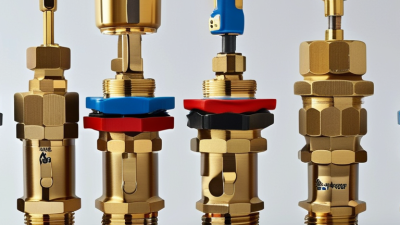
Choosing a Faucet Aerator Filter supplier in China involves more than comparing unit prices. This small component can affect water flow, spray comfort, and the user’s impression of a finished tap. A mesh that looks suitable in a product photo may behave differently once fitted. Details matter.
This guide examines how buyers can assess suppliers through practical checks: material specifications, mesh options, thread compatibility, sample quality, production consistency, and clear communication. Ask for measurements and confirm how samples are inspected. If possible, test a sample with the faucet models and water conditions you expect to serve. A polished catalog alone proves little.
There is no single supplier that suits every project. One buyer may value flexible customization, while another needs stable repeat orders and predictable lead times. Minimum order quantities, packaging, quality records, and response times also deserve attention. Some listings leave these points unclear; that is a reason to ask, not to assume. Small uncertainties can become costly later.
The following overview offers a grounded way to compare China-based suppliers without treating marketing claims as verified performance. It focuses on questions buyers can ask and evidence they can request before placing an order. A careful comparison takes time. It can still miss things. Supplier capability should be confirmed directly, especially when specifications or production arrangements change.
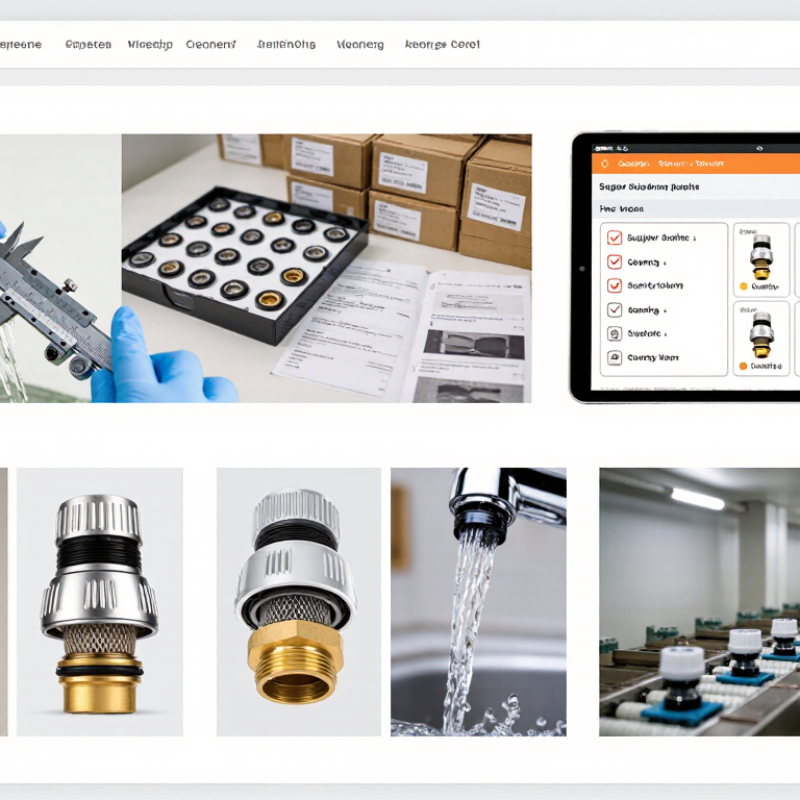
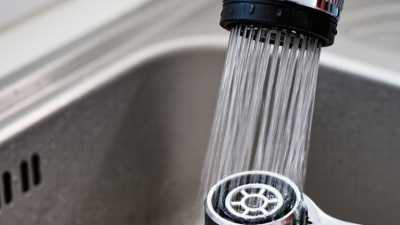
A faucet aerator filter is a small fitting at the end of a tap. Inside, a screen catches particles such as loose grit, rust flakes, or bits of plumbing debris. A flow-shaping insert mixes air into the water, helping create a softer, more even stream. The screen does not necessarily remove dissolved chemicals or make water safe to drink. The term “filter” can be confusing.
When water passes through the narrow mesh, larger particles may remain trapped. Over time, mineral scale and debris can reduce flow or make the stream spray unevenly. I’ve found that a quick visual check often reveals buildup before a faucet seems seriously blocked. Still, not every aerator is easy to open, and forcing one can damage its threads. Small parts matter.
Tips: Unscrew the aerator gently and note how its pieces fit together. Rinse the screen under clean water, then use a soft brush for stubborn deposits. Avoid sharp pins; they can widen the mesh. If flow remains weak, check whether the faucet itself or supply line may be the cause. A clean aerator helps, but it is not a complete water-treatment system.
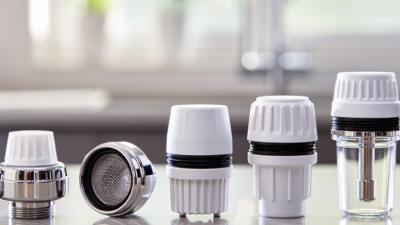
China’s faucet aerator filter suppliers generally fall into several practical groups, and their roles can overlap. Direct manufacturers make housings, screens, or complete inserts, using processes such as stamping, molding, and assembly. Ask which steps happen in-house; polished product photos cannot confirm production capability. Small details matter. Screen mesh, gasket thickness, and thread dimensions affect fit and water flow.
OEM and ODM factories produce parts from a buyer’s drawings or adapt existing designs. They may provide sample revisions, custom packaging, and different production quantities. Trading companies source from multiple workshops and coordinate inspections, paperwork, and shipping. This can help buyers sourcing varied parts, but it adds another handoff. Not always simpler. Component specialists focus on mesh screens, seals, or plastic inserts rather than finished aerators. They suit assemblers that already manage housing design and final testing.
Some export-oriented suppliers combine factory production with sales and quality teams familiar with overseas specifications. Still, the word “factory” can be used loosely. Request a dated sample, thread measurements, material specifications, and flow or leakage test results. Compare the sample with the actual faucet, not just a drawing. I would not assume one supplier type guarantees consistent batches; production checks still matter.
| Supplier Type | Typical Products and Services | Potential Strengths | Points to Verify | Best Suited For |
|---|---|---|---|---|
| Faucet and Tap Manufacturers | Faucets with matching aerators, replacement inserts, and related plumbing components; some offer custom product development. | Can coordinate aerator design with the faucet spout, appearance, and intended application. | Confirm whether aerators are made in-house or sourced separately, and check thread compatibility, flow performance, and replacement availability. | Buyers seeking aerators that are designed to work with a specific faucet range. |
| Aerator and Water-Flow Component Specialists | Aerator inserts, mesh screens, flow-regulating parts, housings, and replacement components. | More focused experience with aerator construction, flow characteristics, and component options. | Request dimensional drawings, material details, flow-rate test conditions, and evidence of compatibility with the target faucet. | Brands, assemblers, and distributors sourcing aerator components independently. |
| Precision Plastic and Metal Component Suppliers | Injection-moulded housings, machined or formed metal parts, screens, seals, and other components used in aerator assemblies. | May support custom dimensions, materials, tooling, or component-level production. | Check production tolerances, material specifications, quality controls, tooling ownership, and whether final assembly is available. | Buyers developing a custom aerator or sourcing parts for their own assembly operation. |
| Integrated Plumbing Product Manufacturers | Aerators alongside products such as faucets, shower components, valves, or other plumbing fittings. | Can provide a broader product range and may simplify sourcing across related product categories. | Confirm the supplier’s actual aerator production capability, product documentation, and ability to meet the required specifications. | Importers and distributors consolidating orders for several plumbing product types. |
| Trading and Export Suppliers | Sourcing, order coordination, export documentation, and products from one or more manufacturing partners. | Can help buyers manage supplier communication and combine products from different factories. | Ask who manufactures the goods, how production quality is checked, and who handles technical questions, changes, and after-sales issues. | Buyers who value sourcing support or need to consolidate products from multiple manufacturers. |
| OEM and ODM Service Providers | Private-label production or product development based on a buyer’s drawings, specifications, or design requirements. | May support custom branding, packaging, product configuration, and development for a defined application. | Clarify design responsibility, tooling costs and ownership, sample approval, change control, and production inspection arrangements. | Businesses launching a private-label product or adapting an aerator to a particular market requirement. |
Supplier selection note: Supplier type alone does not establish product quality. Compare technical drawings, thread and spout compatibility, materials, flow-rate data, sample performance, quality-control procedures, and documentation against your intended use and applicable market requirements.
A reliable Chinese faucet aerator filter supplier should explain how its screens are made, not just quote a low price. Ask for the mesh material, opening size, and dimensional tolerances. These details affect filtration, water flow, and fit inside the aerator housing. Request samples and check them against a simple gauge. Look for clean edges, consistent threading, and mesh that stays seated during assembly. Small differences matter.
Quality evidence should be specific and current. Ask how incoming wire, molding, and finished parts are inspected, and whether test records can be shared. Flow-rate and pressure checks are useful when they match your intended faucet design. A supplier that tracks batches can help identify the source of a defect later. Ask about production capacity, lead times, and how changes are communicated. Clear answers count.
Communication deserves a close look. Send the same drawing and questions to several suppliers, then compare the detail of their replies. Be cautious if specifications shift between messages or sample and quotation. A factory visit or third-party inspection may add confidence, though neither replaces routine quality checks. No checklist catches everything. Even experienced buyers can miss a small fit issue until installation, so keep a written sample approval and confirm it before bulk production.
Comparing Chinese faucet aerator filter suppliers means looking beyond catalog photos. Check whether they can control mesh aperture, housing dimensions, and thread fit across repeat orders. Ask how parts are formed, assembled, and inspected. A supplier with in-house tooling may adjust a design faster, while outsourced steps can make lead times less predictable. Details matter.
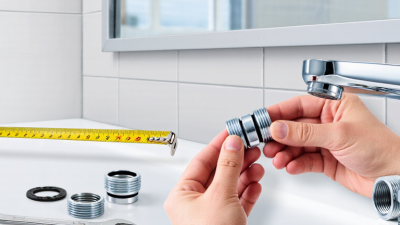
Request a sample and compare it with the production drawing. Measure the screen opening, inspect the edge finish, and test the thread on a matching faucet. Ask for flow-rate results at a stated water pressure, not just a general performance claim. Quality checks should cover incoming materials, production batches, and finished units. Ask for inspection records and any quality-system certificates, then confirm what sites and processes they cover. A polished sample can still mislead.
Packaging and traceability matter too. Lot codes can help connect a returned filter to its production record. Discuss acceptable defect limits before placing an order, and ask how rejected parts are handled. Some suppliers may provide detailed reports; others may offer only basic checks. That gap is worth exploring, not assuming away. Compare actual sample results, documentation, and repeat-batch consistency before judging capability.
A suitable faucet aerator filter supplier should be assessed against your product requirements, not just a polished catalogue. Share a drawing or physical sample, then confirm thread size, mesh material, filtration opening, flow rate, and finish in writing. Ask for samples from the production line, not only handpicked display pieces. Small details matter.
Test the sample on the faucet models you plan to sell. Check for leaks, uneven spray, restricted flow, and whether the screen can be removed for cleaning. Request material specifications and recent quality records, then verify that any test report matches the exact product and material offered. A document alone is not proof. If possible, arrange a factory visit or a live video walkthrough of production and inspection steps. A showroom video can look convincing while leaving important processes unseen.
Before placing a bulk order, agree on inspection criteria, tolerances, packaging, lead time, and how defects will be handled. Ask how the supplier tracks batches and whether production changes require your approval. Compare responses for clarity and consistency, not just price. I have seen sample quality differ from later batches, so a pre-shipment inspection is worth considering. No supplier can promise zero defects. The useful question is how issues are detected, recorded, and corrected.