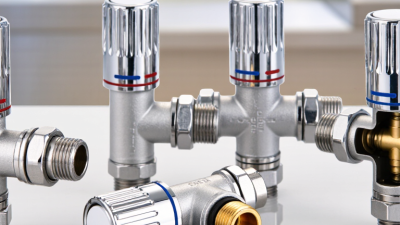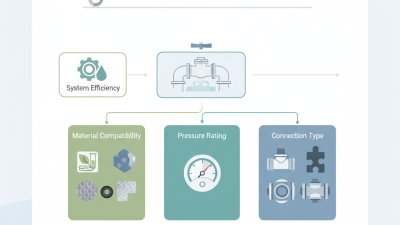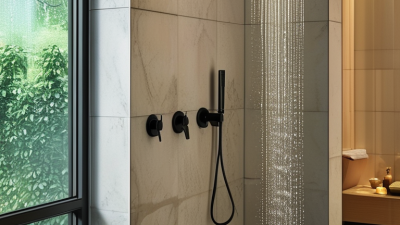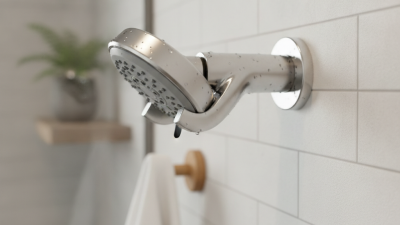
A Mixing Valve For Feminine Wash must do more than blend hot and cold water. It should help maintain a comfortable, steady outlet temperature as pressure and flow change. For intimate washing, small temperature shifts can matter. So can the valve’s materials, adjustment range, and compatibility with the fixture. Hot-water systems expert Gary Klein’s published work offers a useful reminder: system performance depends on the whole design, not one component. This is a design principle, not a product endorsement. Details matter.
This 2026 guide compares seven mixing valves through practical criteria: temperature stability, flow behavior, installation needs, maintenance access, and manufacturer guidance. We also consider whether each model suits a dedicated wash fixture or a broader plumbing setup. A low price may look appealing, but it tells little about long-term serviceability. A polished product page tells even less. Check the specifications.
No valve can correct every problem in the plumbing system. Inlet pressure, water-heater settings, pipe layout, and installation all affect performance. Backflow protection and safe temperature control deserve attention, too. Follow the product instructions and applicable local plumbing requirements, and ask a qualified plumber when the setup is unclear. The comparisons ahead are intended to help readers ask better questions, not promise one perfect choice. The right valve depends on the fixture, the water supply, and who will maintain it. We may miss a detail; verify critical specifications before buying.
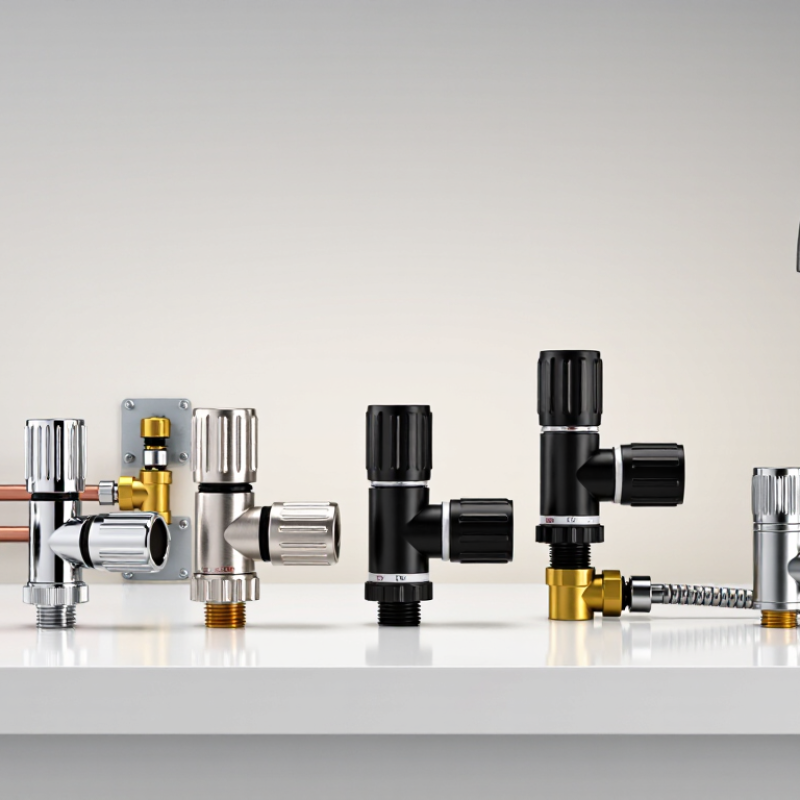
A mixing valve blends hot and cold supply water before it reaches a feminine wash fixture. Its job is simple, but the details matter. A steady outlet temperature can make rinsing more comfortable and reduce sudden changes when someone turns on another tap. Small shifts can feel surprisingly sharp.
Thermostatic valves respond to temperature changes, while pressure-balancing designs react to changes in supply pressure. Some models combine both functions. For a wash fixture, check that the valve is designed for the installation and flow rate, rather than choosing by appearance alone.
Set the temperature conservatively and test it at the outlet with a thermometer. A warm hand is not a precise measure. Water that feels mild on fingers may still be uncomfortable on sensitive skin.
Installation affects performance, too. Long pipe runs, a poorly adjusted valve, or mineral buildup can cause temperature drift. Follow the valve’s instructions, and have a qualified plumber verify the connections and temperature setting.
Maintenance is easy to overlook. Even a well-made valve needs periodic checks, especially if the water supply changes or the fixture sees heavy use. A mixing valve helps control temperature, but it cannot correct every plumbing problem.
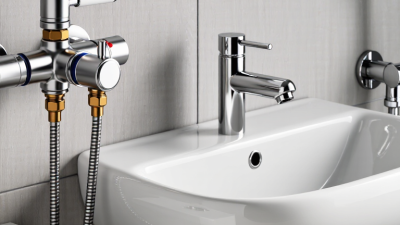
A mixing valve for a feminine wash should provide stable, comfortably warm water, not sudden temperature swings. Look for temperature-limiting control and clear adjustment, especially if several people use the same fixture. A hand test can catch obvious problems, but it cannot replace proper installation and temperature checks. Keep the spray gentle; sensitive external skin can be irritated by excessive heat or pressure.
Hygiene depends on the whole setup. Choose smooth, corrosion-resistant materials intended for contact with potable water, and check that seals and internal parts suit the water conditions in your home. A valve does not make a fixture hygienic by itself. Clean the spray head as its instructions recommend, and avoid designs with hard-to-reach crevices. Backflow protection may also be needed to prevent used water from entering the supply; confirm the appropriate device with a qualified plumbing professional.
Compatibility is easy to overlook. Compare the valve’s connection size, pressure range, flow rate, and mounting arrangement with the existing pipes and wash fixture. If pressure changes when another tap runs, temperature may shift too. Small details matter. Product specifications can be incomplete, and a neatly listed temperature range does not guarantee comfort at the outlet. Verify performance after installation, then reconsider the choice if the water feels unstable, the spray is harsh, or cleaning proves awkward.
For a feminine-wash fixture, these seven designs control water temperature and flow; they are not cosmetic-product mixing equipment. A thermostatic valve adjusts hot and cold water to hold a set temperature. A pressure-balancing valve counters sudden pressure changes, but does not directly correct temperature swings. Manual two-handle valves are straightforward, though users must adjust them themselves. Electronic valves offer preset control, with added power and maintenance needs. Pressure-independent valves help stabilize flow when supply pressure varies. Recirculating thermostatic systems suit longer pipe runs but add installation complexity. Point-of-use valves sit close to the outlet, making service access easier. Simple, but not foolproof.
The U.S. EPA WaterSense showerhead specification sets a maximum flow of 2.0 gallons per minute at 80 psi and requires at least 1.5 gallons per minute at 20 psi. This is a fixture benchmark, not a rating for mixing valves. For temperature-limiting performance, check whether a valve is certified to the relevant ASSE 1070 standard. Compare tested temperature stability, flow under changing pressure, cleaning access, and replacement-part availability. I would not treat the lowest purchase price as the lowest operating cost; that assumption can fail during maintenance.
Tips: Verify the valve’s approved temperature range and installation orientation before purchase. Keep the outlet and adjustment controls reachable. A precise valve still needs correct setup.
| Valve design | How it mixes | Temperature stability | Response to pressure changes | Typical strengths | Points to check | Feminine-wash fit |
|---|---|---|---|---|---|---|
| 1. Point-of-use thermostatic mixing valve | A thermostatic element adjusts the hot/cold blend to maintain a selected outlet temperature. | Generally strong when correctly sized, installed, and supplied within the valve’s stated operating range. | Typically compensates for supply-temperature changes; pressure performance depends on the model and installation. | Mixes near the outlet, helping limit temperature variation along a long mixed-water branch. | Check flow capacity at the actual supply pressures, hot-water range, approved installation orientation, and applicable temperature-limiting standards. | A strong option when stable mixed water is required at one wash outlet. |
| 2. Thermostatic mixing valve with integral flow control | Thermostatic temperature regulation is combined with a built-in flow-control or shutoff function. | Temperature is regulated by the thermostatic element; the flow control does not itself improve temperature stability. | Depends on the thermostatic mechanism and its specified operating conditions. | Can provide a compact assembly with fewer separate control components at the point of use. | Confirm that the flow range suits the wash fixture; integrated controls are not a substitute for required backflow protection. | Useful where a compact, locally controlled installation is preferred. |
| 3. Pressure-balancing mixing valve | A movable balancing element responds to changes in hot- or cold-water pressure and adjusts the flow ratio. | Helps reduce temperature swings caused by pressure changes, but usually does not hold a precise set temperature as a thermostatic valve does. | Designed to respond to pressure imbalance between supplies. | Can help limit sudden temperature changes when another fixture alters supply pressure. | Verify intended fixture use and local code acceptance. Pressure balancing alone does not control temperature changes caused by hot-water temperature variation. | Consider only when its application and temperature-protection performance meet the project requirements. |
| 4. Single-lever manual mixing valve | One handle changes the hot/cold ratio and commonly controls flow. | User-set; the selected temperature can change if supply conditions change. | Usually does not automatically compensate for pressure or temperature changes unless a separate protective mechanism is included. | Simple operation and familiar control; typically offers straightforward adjustment. | Do not assume a single lever provides scald protection. Check whether a separate temperature-limiting device is required. | Suitable where manual adjustment is acceptable and required safety controls are provided separately. |
| 5. Dual-handle manual mixing valve | Separate hot- and cold-water controls are adjusted to create the desired blend. | User-set, with no automatic temperature correction in a basic design. | Does not normally compensate for changes in supply pressure. | Independent adjustment of hot and cold supplies; mechanically straightforward in basic configurations. | Requires more adjustment by the user and may need a separate temperature-limiting solution to meet safety requirements. | Best for installations where simple manual control is specifically desired and appropriate safeguards are in place. |
| 6. Digital thermostatic mixing system | Sensors and an electronic controller regulate the blend to maintain a selected temperature. | Can provide precise setpoint control when the system is correctly commissioned and operating within its limits. | Control response depends on sensor placement, actuator design, supply conditions, and system settings. | May offer preset temperatures, remote controls, or monitoring features, depending on configuration. | Requires compatible power and controls, setup, and maintenance; confirm fail-safe behavior and service arrangements. | A feature-rich choice for installations that need electronic setpoint control and have suitable service support. |
| 7. Central thermostatic distribution valve | Mixes hot and cold water at a central location before distributing mixed water to one or more outlets. | Regulates the temperature leaving the valve; temperature at a distant outlet may also depend on pipe length, heat loss, and system demand. | Depends on the valve design, sizing, supply conditions, and the number of outlets operating. | Can serve multiple branches from a shared mixing point in a properly designed plumbing system. | Size for expected simultaneous demand and account for distribution losses; a central valve may not replace required point-of-use protection. | Most relevant when a wash outlet is part of a multi-fixture system with professionally designed distribution. |
Comparison note: These are general valve-design characteristics, not model-specific test results. Actual flow capacity, temperature range, pressure limits, certifications, and safety features vary by product. Confirm local plumbing-code requirements and the fixture manufacturer’s installation instructions before selection.
Choosing a mixing valve starts with the fixture, not the product label. Check whether your feminine wash uses a bidet seat, a hand spray, or a warm-water connection; each can have different flow and pressure needs. Match the valve’s rated flow to the fixture, and confirm that its connections fit your existing hot and cold supply lines. A thermostatic valve helps maintain a steadier outlet temperature when supply conditions change. Small details matter.
Temperature control deserves particular care. The U.S. Consumer Product Safety Commission warns that water at 140°F can cause a third-degree burn in about three seconds; at 120°F, the same injury may take five minutes. That difference is striking. Choose a valve with an accessible temperature limit, set it conservatively, and check the delivered water with a thermometer—not just your hand. ASSE 1070 covers water-temperature-limiting devices for plumbing fixtures, so look for applicable certification when comparing options.
Installation layout matters, too. Put the valve where it can be inspected and serviced, rather than burying it behind tile. Check whether the fixture maker specifies a minimum flow rate; some valves may regulate less reliably during a gentle rinse. I would also test the setup after installation with both taps running, because real bathroom pressures can behave differently from the specifications on paper. A neat fit is useful, but stable, comfortable water is the real test.
These reference points are not recommended wash-water settings. Choose a valve that lets you set a comfortable, lower outlet temperature and helps limit accidental scalding. Requirements vary by location; check local plumbing codes and the valve manufacturer’s instructions.
A mixing valve for a feminine wash should be installed where it remains accessible for adjustment and servicing. Confirm the hot and cold connections before tightening fittings; reversed lines can make calibration unreliable. Flush the supply pipes, check for leaks, and follow the valve’s installation instructions. A qualified plumber can also verify that the setup prevents cross-flow between supplies. Small details matter.
Tips: Run the water until its temperature stabilizes, then measure it at the outlet with a reliable thermometer. Adjust the valve gradually, following its stated limits and applicable plumbing guidance. Test again after changes. A quick hand check is not precise enough.
Temperature can shift as pressure or household demand changes, so recheck it during normal use. Clean inlet strainers as directed, inspect seals for wear, and look for slow drips around connections. Keep a simple service note with the date and measured outlet temperature. I’ve seen routine checks get skipped when a fixture seems fine; that is an easy habit to reconsider. If readings fluctuate or the valve will not hold its setting, stop using it until the cause is inspected.