Leave Your Message

China Best Brass Fittings for Faucet Manufacturers and Suppliers

Brass Fittings For Faucet sourcing begins with a simple question: will the fitting remain dependable after years of water pressure, temperature changes, and repeated servicing? For manufacturers and suppliers in China, the answer depends on more than price. Alloy composition, machining accuracy, thread consistency, sealing surfaces, and batch inspection all affect performance. A fitting may look flawless on a showroom counter and still leak at a poorly finished connection.

Water efficiency also shapes faucet design. The U.S. Environmental Protection Agency’s WaterSense specification limits labeled bathroom sink faucets to 1.5 gallons per minute, compared with the federal maximum of 2.2 gallons per minute for standard models. This is useful context, not a brass-market forecast: a fitting must support the faucet’s intended flow and sealing performance without restricting it unpredictably. Buyers should request test records, material specifications, and traceable production details, then confirm that samples match the approved drawings.

One point needs care: no verifiable named-expert quotation was supplied or identified for this topic, so I will not invent one. That matters in a supplier guide. A polished quotation can sound authoritative while offering no evidence. This guide instead focuses on checkable details—brass grade, dimensional tolerances, surface finish, and inspection records. Small variations matter. A fraction of a millimeter at a thread or seat can complicate assembly, waste time, and weaken trust between supplier and faucet maker.
China Best Brass Fittings for Faucet Manufacturers and Suppliers

What Are Brass Fittings for Faucets and How Are They Used?

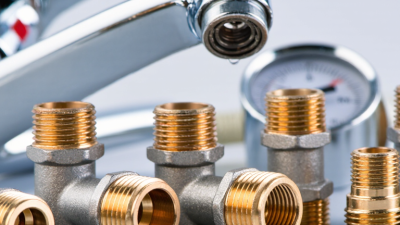
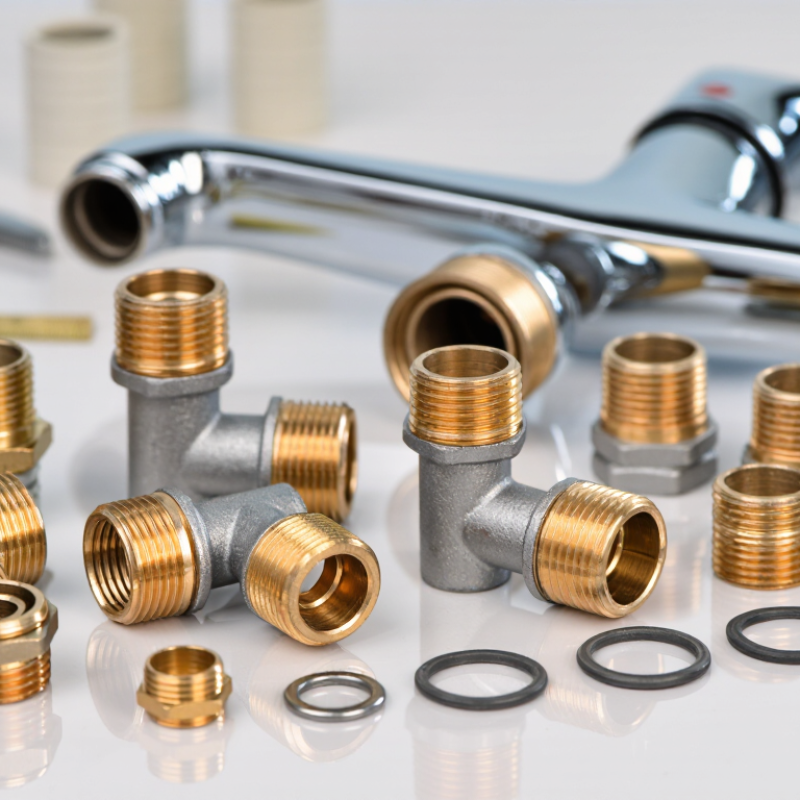
Brass fittings are the small metal parts that connect and support a faucet’s working components. Made mainly from copper and zinc, they can form the faucet body, join the spout to the base, or connect supply hoses to internal passages. A threaded fitting may sit beneath a sink, while a machined connector helps guide water toward the cartridge. Exact roles vary by faucet design.

Material quality and machining both matter. Poorly cut threads can cause leaks, even when the brass itself is sound. Check that the fitting matches the hose, seal, and faucet connection; then inspect the threads for burrs and the sealing face for scratches. The USGS Mineral Commodity Summaries 2025 estimates global copper mine production at about 23 million metric tons in 2024. This indicates copper’s industrial scale, but it does not reveal the quality or composition of any individual fitting. For purchasing, request alloy and test documentation rather than relying on appearance alone.

Tips: Check the thread. Confirm dimensions before assembly, and avoid overtightening; excessive force can damage seals or distort softer components. One practical caveat: a fitting that looks solid may still have inconsistent internal machining. Verify it with samples and pressure testing.

China Best Brass Fittings for Faucet Manufacturers and Suppliers - What Are Brass Fittings for Faucets and How Are They Used?

Fitting or Component Common Forms and Connections Typical Faucet Use Material and Manufacturing Notes Selection Considerations
Threaded adapter Male or female threaded ends; thread type and size depend on the market and faucet design. Connects faucet bodies, valves, supply lines, or other threaded components. Commonly made from machined or forged brass; sealing may use a gasket, O-ring, or thread sealant as designed. Confirm thread standard, dimensions, sealing method, and compatibility before assembly.
Compression fitting Nut-and-ferrule connection; tube sizes are specified by outside diameter. Joins compatible tubing to faucet inlets or water-supply connections. Brass bodies and nuts are common; the ferrule compresses around the tube to form the seal. Use the specified tube material and diameter; avoid overtightening, which can damage the tube or ferrule.
Hose-tail or hose-barb connector Barbed tail for a compatible flexible hose, sometimes paired with a threaded end. Connects internal or supply hoses in faucet assemblies where the design calls for a hose connection. Brass connectors may be turned or formed; hose retention can also require a clamp or specified fitting system. Match the barb profile and diameter to the hose and confirm that both are suitable for potable-water service where applicable.
Elbow fitting Commonly a 90-degree turn; threaded, compression, or other connection styles are available. Changes the direction of a water path where space or routing requires it. May be forged, cast, or machined, depending on geometry and production requirements. Check flow passage, orientation, installation clearance, and connection compatibility.
Tee fitting Three-port configuration; ports may be threaded or use other specified connection types. Branches or combines water paths in faucet systems designed with a shared connection. Brass construction provides a machinable, rigid connection; internal passages depend on the fitting design. Verify port arrangement and flow direction requirements against the faucet assembly drawing.
Reducing bushing or reducer Connects different specified connection sizes, often through a threaded interface. Adapts a faucet port or supply connection to a different fitting or tube size. Typically machined or formed from brass; available in multiple configurations. Use only where the size transition is permitted by the product design; check that the reduced passage meets flow needs.
Cartridge retainer or valve-seat fitting Purpose-designed threaded or machined component; dimensions are specific to the valve assembly. Retains or supports valve and cartridge components inside some faucet designs. Often precision-machined; mating surfaces and tolerances affect fit and sealing. Match the component to the valve design and specified tolerances; avoid assuming interchangeability.
Swivel connector Rotating connection with a sealing element, such as an O-ring, depending on design. Allows connected parts or hoses to be oriented during installation without twisting the line. May combine a brass body with elastomer seals selected for the intended water and temperature conditions. Check rotation range, seal material, pressure rating, and installation instructions.

Note: Connection dimensions, thread standards, pressure limits, alloy composition, and drinking-water requirements vary by product design and destination market. Confirm applicable specifications and regulations for each faucet assembly.
How Are Brass Faucet Fittings Manufactured in China?

China Best Brass Fittings for Faucet Manufacturers and Suppliers

How Are Brass Faucet Fittings Manufactured in China?

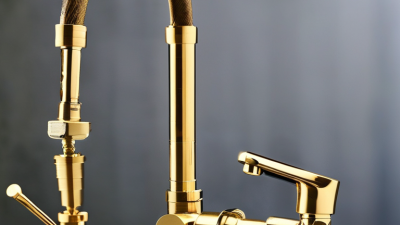
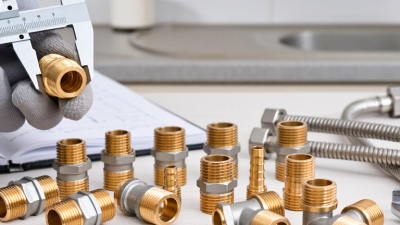
Manufacturing starts with brass rods or billets selected for the fitting’s shape and service requirements. The metal is cut into measured blanks, then heated and forged or machined, depending on the design. Forging forms a compact body; CNC turning creates precise seats, channels, and connection faces. Small details matter. After machining, workers remove burrs and check threads with gauges before parts move to finishing.

Polishing smooths visible surfaces, while plating or another specified coating can improve appearance and resistance to corrosion. Each finish needs controlled cleaning and handling, since fingerprints or trapped residue may affect the final surface. Inspectors check dimensions against drawings and may use pressure or leak tests on assembled components. Material composition checks can also help confirm that incoming brass matches the agreed specification. Fit comes first.

A reliable supplier should keep inspection records linked to production batches and explain how defects are handled. In practice, setup changes and tool wear can leave an occasional rough edge or slightly uneven finish. Sampling alone may miss it. Clear acceptance criteria, calibrated gauges, and feedback between machining and inspection teams help reduce repeat problems. Buyers can request drawings, test records, and sample parts to assess whether the process suits their faucet design.

Which Standards and Tests Determine Fitting Quality?

For faucet manufacturers, fitting quality starts with the right material and the right specification. Brass composition should be verified against purchase requirements, including limits for lead where drinking-water contact is involved. NSF/ANSI/CAN 61 addresses health effects of drinking-water system components, while NSF/ANSI/CAN 372 focuses on lead content. Their applicability depends on the destination market. Check current requirements before ordering. Thread standards matter, too: ISO 228-1 covers parallel pipe threads, while ISO 7-1 covers pressure-tight joints made on the threads.

Testing should reflect how the fitting will be used. Dimensional checks can catch undersized bores, uneven shoulders, or threads that bind during assembly. Pressure and leak tests reveal weak walls or poor sealing surfaces. For brass parts exposed to water, corrosion and dezincification resistance may also need evaluation under relevant specifications. Ask for test methods, sample sizes, and traceable material records—not just a pass certificate. One test cannot prove everything. In practice, even a fitting that passes inspection can cause trouble if its mating parts vary.

Tips: Request a first-article sample and test it with the actual faucet connection. Inspect thread engagement by hand, then verify sealing under the specified pressure. Keep results by production lot; paperwork can miss a small process change.

China Best Brass Fittings for Faucet Manufacturers and Suppliers — Which Standards and Tests Determine Fitting Quality?

U.S. lead-free limits for plumbing products distinguish wetted surfaces from solder and flux. These composition limits are one part of quality assessment; they do not replace product-specific leaching and performance tests.

How to read this: The U.S. Safe Drinking Water Act definition sets a 0.25% weighted-average lead limit for wetted surfaces and a 0.2% limit for solder and flux. NSF/ANSI/CAN 372 evaluates lead content; NSF/ANSI/CAN 61 evaluates health effects from contaminants that may leach into drinking water. Check the applicable product category and current standard edition.

Sources: U.S. Safe Drinking Water Act, Section 1417; NSF/ANSI/CAN 372; NSF/ANSI/CAN 61.

How to Evaluate Chinese Brass Fitting Manufacturers and Suppliers?

When evaluating Chinese brass fitting manufacturers and suppliers, look beyond catalog photos. Ask which brass grades they use and request material certificates tied to specific production batches. For faucet fittings, check thread dimensions, wall thickness, and surface finish against your drawings. Small differences matter. A fitting that looks clean may still leak under pressure.

Request samples from regular production, not specially prepared pieces. Test them with your own assembly tools and water-pressure conditions. Ask how the supplier checks dimensions, porosity, and plating, and how rejected parts are recorded. A factory audit can clarify whether inspection equipment is calibrated and whether workers follow written procedures. If an audit is not practical, request dated inspection records and clear photos of the production line. Paperwork helps, but it cannot replace a physical sample.

Communication is part of quality. Send a drawing with tolerances, finish requirements, packaging details, and an expected order volume; then compare the supplier’s written response with the sample. Ask about lead times, minimum quantities, and how design changes are handled. Do not judge only by the lowest quote. I might still give too much weight to price when comparing offers, so I would put the assumptions side by side. No supplier is flawless. Look for clear evidence, prompt answers, and a willingness to discuss problems before production begins.

What Factors Should Buyers Consider When Selecting a Supplier?

When selecting a brass fitting supplier, buyers should check material records, machining controls, and pressure-test procedures. Ask for the alloy designation and a traceable material certificate for each production lot. The U.S. Geological Survey’s Mineral Commodity Summaries 2024 estimated global copper mine production at 22 million metric tons in 2023. That figure reflects a large but globally distributed raw-material market; it does not guarantee steady brass availability or consistent alloy quality. Request clear lead-time commitments and ask how the supplier handles material substitutions.

Quality evidence matters. Review dimensional inspection reports, leak-test records, and the supplier’s process for handling rejected parts. For faucet components, inspect threads, sealing surfaces, and internal passages—not just the polished exterior. A sample can look excellent. Ask whether production parts receive the same checks as samples, and verify that test methods match your specifications. An ISO 9001 certificate can indicate a documented quality-management system, but it is not proof that every fitting meets your requirements.

Compare total cost, not only unit price. Include tooling charges, packaging, shipping, inspection support, and the cost of delayed orders. Request a small pilot batch before committing to a large run. Track defects and delivery performance over several orders; one successful shipment is limited evidence. Some buyers may still choose a supplier with a less polished presentation, if its records and parts are consistent. That judgment deserves review, not blind trust.