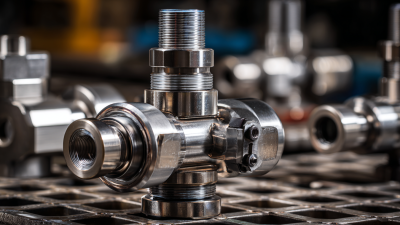
How to Choose the Right Angle Stop Valve?
Choosing the right Angle Stop Valve seems simple until a leak appears beneath the sink. This small fitting controls water flow to faucets, toilets, and appliances. Its size, connection type, material, and pressure rating must match the existing plumbing.
A reliable choice begins with careful inspection. Measure the pipe connection, identify the outlet size, and check whether the line uses compression, threaded, or push-fit connections. Look for corrosion, damaged threads, and limited cabinet space. A quarter-turn handle often provides faster shutoff than an older multi-turn design. However, convenience should not replace compatibility.
Read the manufacturer’s specifications. Confirm the valve suits potable water when required, and follow applicable plumbing codes. Certified products offer stronger evidence of quality than attractive packaging alone. Brass, stainless steel, and engineered plastic each have practical advantages. Brass may feel robust, while plastic can resist certain forms of corrosion. Neither option is automatically best.
Details matter.
During installation, avoid forcing a valve onto mismatched threads. Use the correct sealing method, tighten carefully, and test the joint under pressure. Even experienced installers can overlook a small washer or cross-thread a connection in a cramped cabinet. That mistake is easy to make and expensive to ignore. A careful selection process should consider future maintenance, replacement access, and the valve’s expected service conditions. This guide explains those decisions clearly, while acknowledging that local plumbing systems can differ more than product labels suggest.
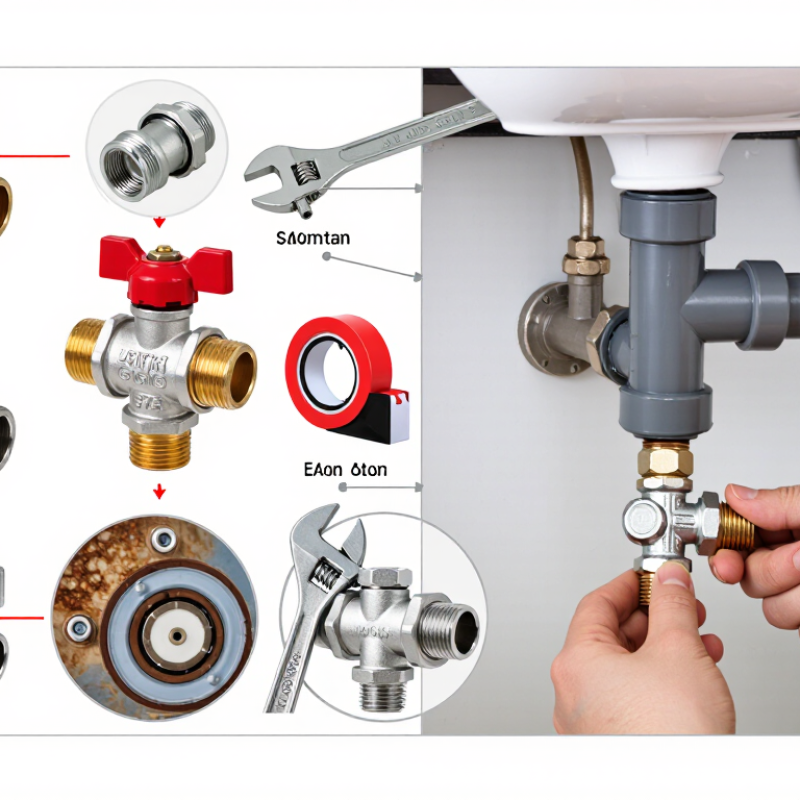
Understanding the Purpose and Types of Angle Stop Valves
How to Choose the Right Angle Stop Valve?
An angle stop valve controls water flow where a supply pipe meets a fixture. Its 90-degree shape saves space beneath sinks and behind toilets. It also lets you shut off one fixture without interrupting the whole house. This matters during leaks, repairs, or routine replacement. In practical plumbing inspections, a reachable valve often prevents rushed and expensive damage control.
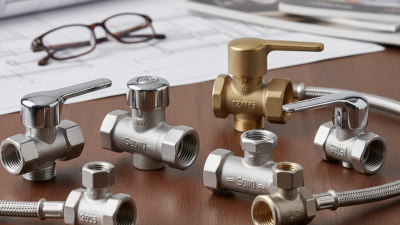
Angle stop valves come in several types. Compression valves suit many copper or rigid plastic supply lines. Threaded valves connect through matching male or female threads. PEX valves use crimp, clamp, or push-fit connections, depending on the piping system. Quarter-turn models open with a short handle movement. Multi-turn models use several rotations and may offer finer flow control. For most fixture shutoffs, quarter-turn operation is quicker and easier to check.
Material matters too. Chrome-plated brass resists corrosion and feels solid. Plastic versions can work in suitable systems, but excessive force may damage them. Check the pipe size, inlet connection, outlet size, and available clearance before buying. I have seen valves chosen by appearance alone, then discovered mismatched threads during installation. That mistake is easy to avoid, though measurements can still be confusing. Turn off the water, release pressure, and inspect for hidden corrosion before fitting a replacement. A valve should operate smoothly and remain accessible after the fixture is installed.
Selecting the Best Valve for Location, Usage, and Budget
Choosing an angle stop valve starts with the space beneath the fixture, not the price tag. In a cramped cabinet, a compact quarter-turn valve is easier to operate and inspect. Measure the wall outlet, pipe size, and connection type before shopping. Compression, threaded, and push-fit connections are not interchangeable. I once assumed two similar-looking fittings would match; they did not, and the connection needed replacing. That small mistake taught me to measure twice.
Usage also changes the decision. A bathroom basin may need a simple shutoff, while a kitchen sink with a dishwasher line may require two outlets. Choose materials rated for potable water and the expected temperature and pressure. A smooth handle helps when hands are wet or access is awkward. For rental properties or busy homes, a durable valve can reduce maintenance visits. Check for corrosion-resistant construction, clear flow direction, and a reliable seal. Do not hide the valve behind permanent panels.
Budget is more than purchase cost. A very cheap valve may save money today but create labor costs if it leaks or becomes difficult to turn. Compare the valve, adapters, washers, tools, and installation time together. Before fitting it, shut off the main supply and test the old valve carefully. Local plumbing requirements can vary, so confirm them or consult a qualified plumber. I still leave room for doubt: even a well-selected valve can fail when installation is rushed. A dry paper towel around the joint can reveal a slow leak overnight.
Verifying Quality, Installation Needs, and Maintenance Requirements
Choosing an angle stop valve begins with quality verification, not appearance. Check the body material, pressure rating, thread type, and connection size. For potable water, look for compliance with ASME A112.18.1/CSA B125.1 and NSF/ANSI 61 requirements. A shiny surface can mislead.
Installation conditions matter. Measure the pipe before purchase, especially in older homes with irregular threads or limited cabinet space. Confirm whether the connection uses compression, threaded, or push-fit installation. The valve should remain reachable after the sink or toilet is installed. Avoid forcing alignment; stressed joints often become slow leaks. The U.S. Environmental Protection Agency’s WaterSense Residential End Uses of Water Study found faucets consume about 19% of indoor residential water. A small valve failure can affect a heavily used fixture.
Maintenance should be practical. Turn the valve gently every few months, then inspect the stem and compression nut for moisture, corrosion, or mineral buildup. Never use excessive force. EPA’s Fix a Leak Week data reports that household leaks can waste nearly one trillion gallons of water annually across the United States. That figure includes many small failures, not only dramatic pipe breaks. Replacement intervals depend on water quality and use, although ten years is not a universal rule. I would also photograph the connection after installation. It sounds unnecessary. It can reveal a slow drip later.
How to Choose the Right Angle Stop Valve?
Compare the practical selection priorities before purchasing an angle stop valve. Verify material quality, confirm connection and pressure compatibility, and ensure the valve remains accessible for future maintenance.
Selection guide: Quality verification focuses on corrosion-resistant materials, reliable shutoff performance, and leak testing. Installation suitability depends on the pipe connection, outlet size, available space, and operating pressure. Maintenance requirements include easy access, quarter-turn operation, replaceable seals, and routine inspection for leaks or corrosion.