Leave Your Message
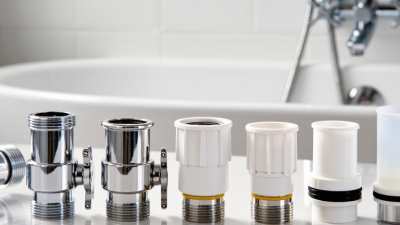
A bathtub can do more than fill with water. With the right Bathtub Adapter, its faucet may connect to a hand shower, garden hose, or other fixture. But “adapter” describes several designs, not one part that fits every tub. A threaded model attaches to a compatible spout, while a slip-on style may secure with a clamp or set screw. Some adapters also work with a diverter, directing water between the tub spout and shower hose. Fit comes first.
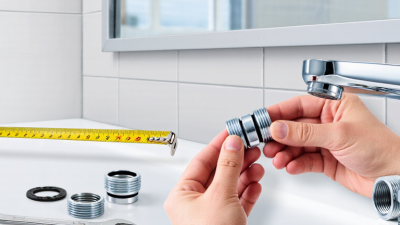
This guide explores the top types of bathtub adapters and what each is designed to do. You’ll see why faucet shape, thread size, and available clearance matter before you buy. A close-up look at the spout can reveal whether it has external threads, a recessed connection, or no threading at all. Small detail. Big difference. Product instructions and manufacturer specifications are more dependable than appearance alone, especially when fittings seem similar. An adapter that feels loose can leak or wobble, so check the connection carefully after installation.
There is no single best option for every bathroom. Older fixtures, unusual spouts, and worn threads can complicate an otherwise simple change. That part is easy to overlook. The following overview compares common adapter styles, their typical uses, and practical fit considerations. It also points out where compatibility should be confirmed rather than guessed. A little measuring now can save a return trip to the hardware store.
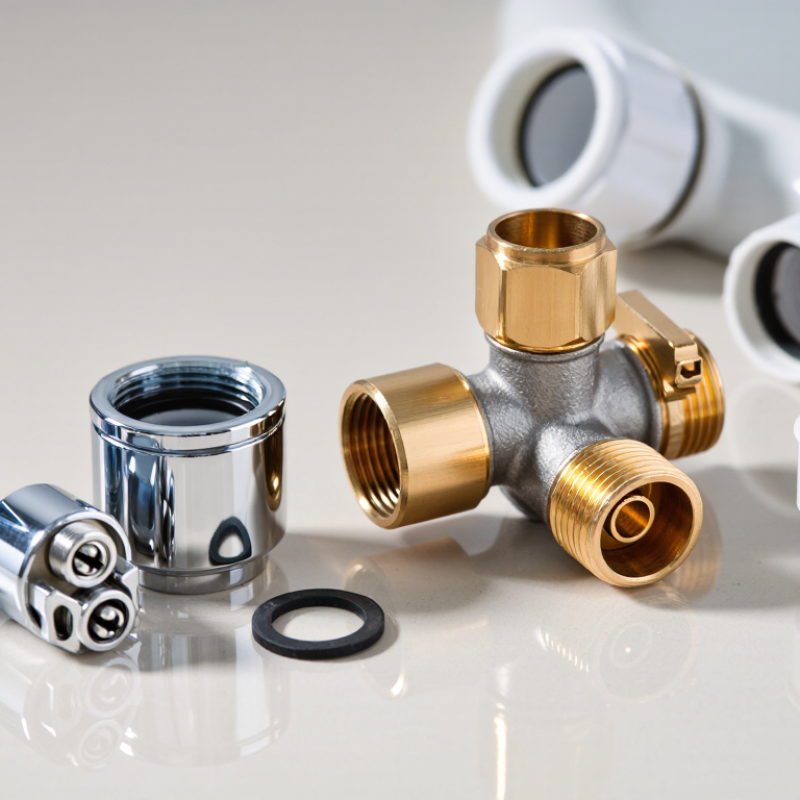
Bathtub adapters bridge connections that do not naturally match. Some use threaded ends to join a tub spout or hose; others slip over a spout and tighten with a clamp. Diverter-style fittings redirect water from the tub outlet to a handheld shower. They serve different purposes, so “universal” does not always mean compatible. Small parts matter.
ASME A112.18.1/CSA B125.1 is a plumbing supply fittings standard. It sets requirements for covered fittings, including testing and performance. It does not guarantee that every adapter will fit every bathtub. Check the product documentation for the applicable standard and confirm the connection type. A label alone cannot tell you whether its threads match your spout.
Before choosing an adapter, compare the spout’s shape, outlet size, and available wall clearance. A threaded connection and a smooth slip-on spout need different fittings. If installing a hose adapter, check that the hose can hang without kinking against the tub rim. Tighten fittings as directed, but do not force a poor fit. A snug connection is not proof of a good seal; watch for drips during a brief test. I find this detail easy to overlook.
| Adapter Type | Typical Connection | Common Use | Key Fit or Installation Check | ASME A112.18.1 Consideration |
|---|---|---|---|---|
| Threaded tub-spout adapter | Threaded connection, commonly a 1/2-inch nominal pipe-size connection; thread form depends on the fitting. | Connects a compatible tub spout to a threaded pipe stub-out. | Confirm the thread type, engagement, and pipe projection. Do not assume all 1/2-inch connections use the same thread. | The standard covers plumbing supply fittings within its scope. Check the specific fitting’s documentation rather than assuming every adapter complies. |
| Slip-on tub-spout adapter | Designed for 1/2-inch nominal copper tube, which typically has a 5/8-inch outside diameter; secured with a set screw. | Fits a slip-on tub spout to a compatible smooth copper pipe stub-out. | Check pipe diameter, straightness, surface condition, and required projection. The set screw must secure the spout without damaging the pipe. | Where the adapter is part of a plumbing supply fitting, verify applicable product requirements and documentation for the assembly. |
| Threaded-to-slip or slip-to-threaded adapter | One threaded end and one end sized for a compatible slip-fit tube or fitting. | Adapts between different pipe-end connection styles during a tub-spout installation or repair. | Match both ends to the actual pipe and spout. Use only where the adapter’s design and installation instructions allow that application. | Applicability depends on the product and its intended use; the standard is not a substitute for confirming connection compatibility. |
| Tub-spout diverter adapter or diverter assembly | Connects to a compatible tub-spout or spout outlet; outlet and hose connections vary by design. | Routes water from the tub spout to a hand-shower hose or another intended outlet. | Check the diverter style, outlet thread, hose connection, and flow direction. These parts are not universally interchangeable. | For a fitting within the standard’s scope, consult its product documentation for applicable performance and compliance information. |
| Hand-shower hose adapter | Often uses a 1/2-inch nominal pipe-size threaded connection, but the connection and sealing method vary. | Connects a compatible hand-shower hose to a designated outlet, diverter, or shower connection. | Verify thread type and gasket requirements. A hose connection may seal with a washer rather than at the threads. | Check whether the adapter is covered as part of the plumbing supply fitting or assembly; do not infer compliance from thread size alone. |
Note: ASME A112.18.1 is a standard for plumbing supply fittings. Its applicability depends on the product and application; it does not mean that every bathtub adapter is covered or certified. Confirm dimensions, thread type, and product instructions before installation.