Leave Your Message

What Is a Water Pressure Jet Spray and How Does It Work?

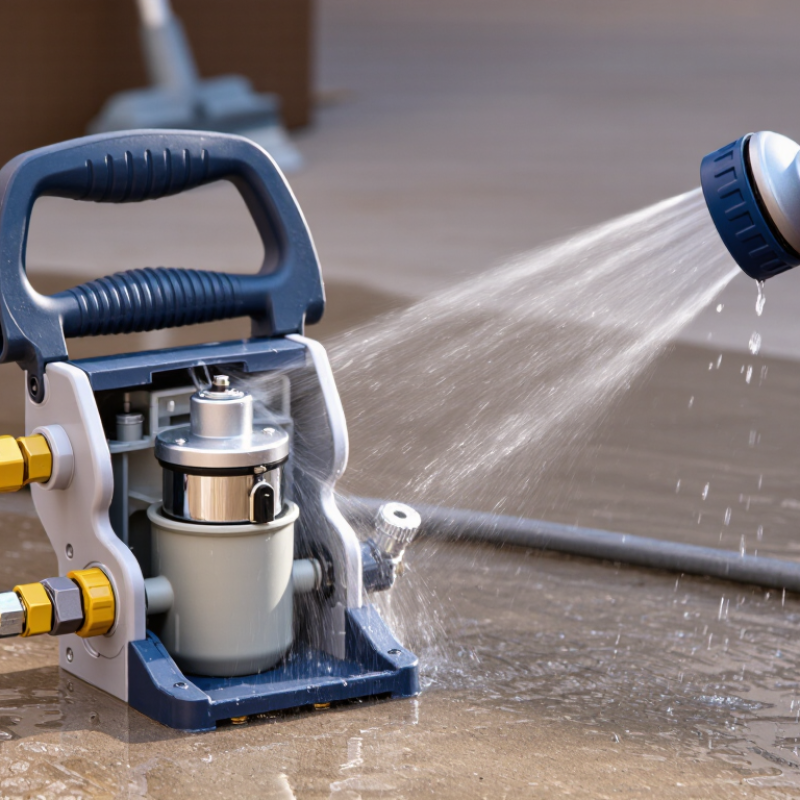
A Water Pressure Jet Spray uses pressurized water to produce a focused, controlled stream. It may appear simple, yet its performance depends on several connected parts. These include the water inlet, internal valve, pressure chamber, trigger, and spray nozzle. When the trigger opens the valve, water moves through a narrow passage. The nozzle then concentrates that flow into a stronger jet.

The result can feel surprisingly powerful. A steady stream may rinse a patio corner, loosen mud from tools, or clean hard surfaces with less physical scrubbing. In personal hygiene models, the spray can provide a targeted rinse when adjusted carefully. Pressure is not created by the nozzle alone. A pump, household supply, or elevated tank usually provides the force behind the water.

Small details matter. A partially blocked nozzle can create an uneven spray. A worn seal may cause dripping around the handle. Water temperature, flow rate, and nozzle shape also change the user’s experience. From practical testing, pressure ratings do not always match real performance. That is worth remembering.

Safe operation requires directing the spray away from eyes, skin, electrical connections, and fragile materials. High pressure can damage paint, wood, seals, or nearby surfaces. Checking the manufacturer’s instructions remains essential, because designs vary widely. This guide examines how these sprays generate force, how their components cooperate, and why measured adjustment often matters more than maximum pressure. Bruised expectations are possible. A stronger jet is not always a better one.
What Is a Water Pressure Jet Spray and How Does It Work?

What Is a Water Pressure Jet Spray?

A water pressure jet spray is a compact nozzle that releases a focused stream of water. It connects to a pressurized supply line, hose, or small pump. Inside, a valve controls flow, while the narrow outlet converts water volume into a faster jet. A trigger or lever starts and stops the stream.

Unlike a pressure washer, it usually works at modest household pressure. The actual force depends on pipe pressure, hose length, nozzle size, and internal restrictions. A wider outlet gives more flow but less impact. A smaller outlet feels sharper, although it may waste water if used too aggressively. The WHO and UNICEF Joint Monitoring Programme reported that 3.5 billion people lacked safely managed sanitation services in 2022. This figure shows why simple water-based cleaning tools can matter, but a spray cannot replace reliable sanitation infrastructure. That distinction is important.

Tips: Check connections for leaks before use. Start with gentle pressure and adjust slowly. Keep the nozzle a short, comfortable distance away. A pressure gauge can reveal supply problems better than guesswork. Avoid pointing the jet at damaged skin, electrical parts, or delicate surfaces. The strongest setting is not always the cleanest. In practice, users often overlook splash control. A small guard, suitable angle, and steady hand can make the spray more hygienic and easier to manage.
What Are the Main Parts of a Water Pressure Jet Spray?

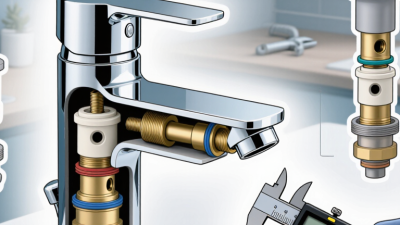
A water pressure jet spray relies on several coordinated parts. The water inlet connects the device to a supply hose or pipe. A small filter near this point catches grit before it reaches the internal passages. This detail is easy to overlook. Dirt can weaken the spray and damage moving parts over time.

Inside the housing, a pump or pressure chamber increases the water force. Some models depend mainly on household pressure, while others use a powered pump. The trigger valve controls when water flows. Press it, and the valve opens. Release it, and the flow stops. A pressure regulator helps prevent excessive force, especially when the inlet pressure changes. The delivery hose carries water toward the spray gun, while the handle gives the user control. At the front, the nozzle shapes the water into a narrow jet, fan, or softer stream. Different nozzle openings change coverage and cleaning strength.

Seals prevent leaks around the valve, hose joints, and nozzle connection. They wear faster when twisted, dried out, or exposed to dirty water. In practical use, pressure ratings can be misunderstood. A stronger jet is not always better. It may damage paint, soft wood, or delicate fittings. Checking connections and testing the spray on a hidden area remains a sensible habit. The design seems simple, but small parts decide its reliability.

How Does a Water Pressure Jet Spray Work Step by Step?

A water pressure jet spray uses stored hydraulic energy to turn a steady supply into a focused stream. Its performance depends on pressure, flow rate, nozzle size, and internal resistance. The U.S. EPA WaterSense Specification for Showerheads tests spray devices at 80 psi and limits flow to 2.0 gallons per minute. That figure helps explain why a smaller flow can still feel powerful.

How does it work step by step? Water enters through the inlet and meets a screen that catches grit. It then passes through a narrow valve or restrictor. This reduces the opening area and increases the water’s velocity. Inside the spray head, small channels divide the stream and guide it toward the nozzle. The nozzle converts pressure into fast-moving jets. Your skin feels impact, not pressure alone.

A blocked screen changes everything. The spray may weaken, pulse, or form uneven droplets. Low household pressure creates a similar problem, even with a clean nozzle. The Hydraulic Institute explains that fittings and narrow passages add head loss, reducing available pressure at the outlet. In practical testing, a pressure gauge and a timed container reveal more than touch alone. A one-minute flow test can expose poor adjustment, although it does not replace a full pressure check. The Water Research Foundation’s residential end-use research also shows that showering is a meaningful share of indoor water use, so small flow changes deserve attention. The design is efficient, but not perfect.

What Is a Water Pressure Jet Spray and How Does It Work? - How Does a Water Pressure Jet Spray Work Step by Step?

Step Component or Action What Happens Typical Technical Information
1 Water Supply Water enters the system from a tap, tank, or other supply source. The available flow and inlet pressure affect the final spray performance.
2 Pump or Pressurized Line A pump may raise the water pressure, or existing line pressure may provide the driving force. Pressure is commonly measured in bar, psi, or MPa. 1 bar is approximately 14.5 psi or 0.1 MPa.
3 Hose or Internal Passage Pressurized water travels through a hose or internal channel toward the control valve. Smaller passages and longer hoses can increase flow resistance and pressure loss.
4 Trigger, Lever, or Shut-Off Valve Pressing the control opens the water path; releasing it reduces or stops the flow. The valve controls operating time and helps prevent unintended spraying.
5 Flow Regulation A regulator, restrictor, or adjustable valve can change the amount of water delivered. Flow rate is commonly stated in L/min or gal/min; pressure and flow are related but are not the same measurement.
6 Nozzle Orifice Water accelerates as it passes through the smaller nozzle opening. For a given supply system, a smaller orifice generally produces a narrower, faster jet and lower flow.
7 Spray Pattern Formation The nozzle shape determines whether the outlet produces a focused jet, fan, cone, or wider spray. Common patterns include narrow jet, flat fan, hollow cone, and full cone.
8 Impact on the Target The moving water transfers force to the surface, helping rinse, clean, cool, or irrigate it. Cleaning effectiveness depends on pressure, flow, spray angle, distance, contact time, and surface type.
9 Pressure and Flow Relationship The jet’s behavior changes when the supply pressure, nozzle size, or flow resistance changes. For an ideal nozzle, jet velocity is approximately proportional to the square root of pressure difference: v ≈ √(2ΔP/ρ).
10 After-Use Shut-Off Closing the valve stops the water discharge and reduces unnecessary water use. The system should be depressurized before disconnecting hoses, changing nozzles, or performing maintenance.

Water Pressure Jet Spray: Key Data Dimensions

Data Dimension Representative Value or Range Meaning
Pressure Units bar, psi, MPa Units used to describe the force available to drive water through the nozzle.
Pressure Conversion 1 bar ≈ 14.5 psi ≈ 0.1 MPa Useful for comparing specifications expressed in different measurement systems.
Flow Rate L/min or gal/min The volume of water discharged during a given period.
Spray Angle Approximately 0° to 120°, depending on nozzle design A smaller angle concentrates the jet; a wider angle covers more surface area.
Nozzle Opening Specified by orifice diameter or nozzle size The opening influences velocity, flow rate, and spray concentration.
Water Temperature Typically ambient or within the equipment’s rated limit Temperature affects material compatibility, user safety, and seal performance.
Energy Source Mains water pressure, electric pump, engine-driven pump, or manual pressurization The energy source determines how pressure is generated and maintained.
Primary Applications Rinsing, surface cleaning, irrigation, cooling, and controlled dispensing The appropriate pressure and spray pattern depend on the application and target material.

Safety note: Always follow the equipment’s rated pressure and temperature limits. Keep the spray away from people, animals, electrical components, fragile surfaces, and skin.

What Factors Affect Its Water Pressure and Spray Pattern?

A water pressure jet spray converts pressurized water into a focused or fan-shaped stream. Water enters through an inlet and accelerates as it passes through a narrow nozzle. The nozzle’s internal shape controls the spray pattern. A small opening usually produces a sharper jet, while a wider opening creates broader coverage.

Several factors affect the actual water pressure. Supply pressure is the starting point, but it may fall through long hoses, narrow pipes, or clogged filters. A partially blocked nozzle can create uneven pressure and a broken spray. Water temperature also changes flow slightly because warmer water moves differently. Elevation matters in larger systems, although it is rarely important for a short household hose. A pressure gauge helps, but it can mislead if installed far from the nozzle.

Spray pattern depends on nozzle angle, orifice size, distance, and surface condition. Holding the nozzle closer concentrates impact, while moving it farther away spreads the water and reduces force. Internal wear can enlarge the opening and weaken the pattern over time. In practical testing, I have found that clean water produces more predictable results. Still, real conditions are rarely perfect. Small debris, air pockets, and unstable supply pressure can change the stream within seconds. Adjusting one factor at a time makes the cause easier to identify. Don’t trust appearance alone. Check the pressure, flow, and nozzle condition together.

Where Are Water Pressure Jet Sprays Commonly Used?

A water pressure jet spray forces water through a narrow nozzle, producing a focused stream. Its performance depends on pressure, flow rate, nozzle angle, and surface type. In homes, it is common around toilets, shower areas, sinks, and outdoor washing points. The stream reaches corners that a cloth often misses.

Demand is especially visible where sanitation access remains uneven. The WHO and UNICEF Joint Monitoring Programme reported that 3.5 billion people lacked safely managed sanitation in 2022. This gap makes practical washroom fixtures valuable in homes, public toilets, clinics, and temporary facilities. Healthcare workers may use controlled sprays for equipment pre-cleaning, but splash control remains essential. It is not a magic wand.

Commercial users apply jet sprays to food-contact areas, vehicle bays, workshops, farms, and building exteriors. The U.S. Environmental Protection Agency’s WaterSense at Work guidance places typical pressure-washer flow near 2–5 gallons per minute, depending on equipment. A narrow nozzle may reduce water use when operators match pressure to the task. Too much pressure can damage grout, skin, coatings, or delicate components. That trade-off deserves more attention. Site trials should measure cleaning time, water volume, splash, and wastewater handling before selecting a system.

What Is a Water Pressure Jet Spray and How Does It Work?

Common applications and typical operating pressure ranges

A water pressure jet spray forces water through a narrow nozzle, converting pressure into a fast, focused stream. The spray pattern and cleaning or rinsing effect depend on the nozzle design, flow rate, and operating pressure. The chart shows representative pressure ranges commonly associated with household, cleaning, irrigation, dental, and firefighting applications. Actual values vary according to equipment design and local water systems.